How Certified Professionals Turn a Credential Into Career Momentum
Wed, 21 October 2026

Inspirational journeys
Follow the stories of academics and their research expeditions
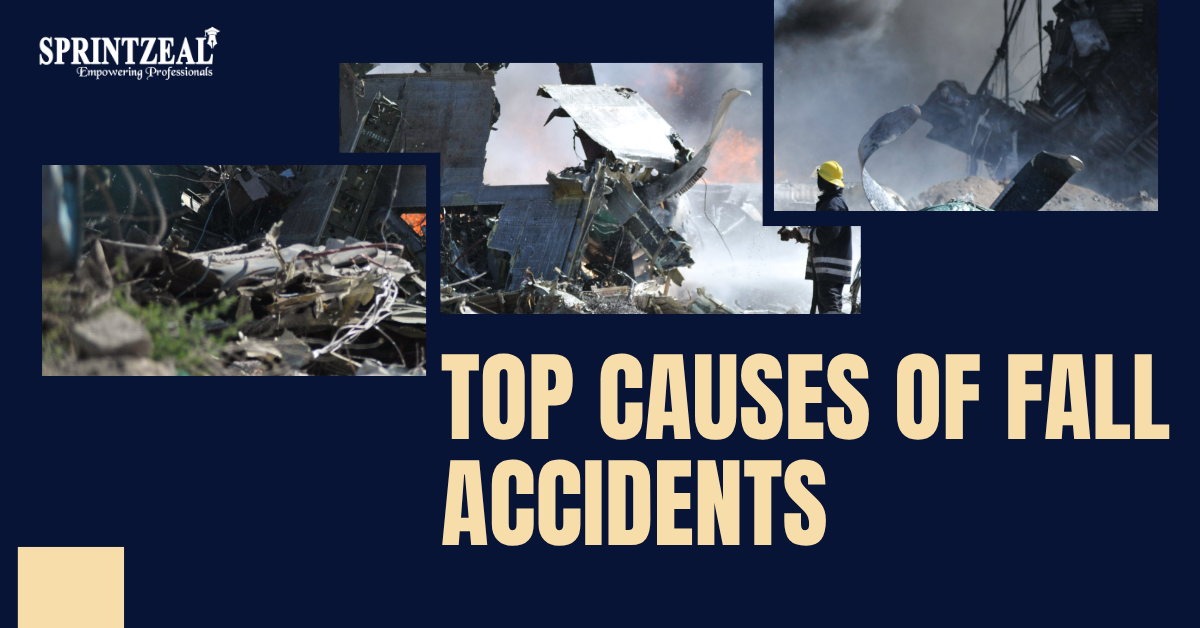
Slip and fall accidents are far more serious than most people assume. A wet floor in a grocery store or a cracked sidewalk outside an apartment building can put someone in the hospital for weeks, change their ability to work, and leave lasting physical damage. Understanding what causes these accidents and who is responsible when they happen is the first step toward protecting yourself and your rights.
More than 8.8 million people were treated in emergency rooms for fall-related injuries in 2023. That number reflects just how routine these accidents are across the country, and the Bronx is no exception. Dense foot traffic, aging building stock, and brutal winters create a combination of hazards that residents encounter every day.
The leading cause of slips, trips, and falls are uneven or wet surfaces, contributing to 55% of these incidents. More than half of all accidents come down to conditions that property owners and businesses have the power to fix.
Grocery stores and retail shops see heavy foot traffic every day, and spills happen constantly. The problem is not the spill itself. It is the failure to clean it up or post a warning sign within a reasonable amount of time. A puddle near a refrigerated section or a mopped aisle with no wet floor sign is a predictable hazard. Services, wholesale, and retail trade industries account for 60 percent of slip and fall accidents. Customers in these environments deserve a safe place to shop, and store owners are expected to inspect and address hazards on a regular basis.
New York winters are unforgiving, and Bronx sidewalks can become treacherous almost overnight. Sub-freezing temperatures bring snow, sleet, and ice that make it a genuine struggle to keep your footing. Even a light freezing rain can produce dangerously slick conditions. Under New York City law, property owners are responsible for clearing ice and snow from sidewalks adjacent to their buildings within a set window after a storm. When that does not happen, injuries follow. Fast.
Stairwells in apartment buildings, commercial properties, and public spaces throughout the Bronx take constant use. Broken steps, loose treads, and missing or wobbly handrails all create serious fall risks, especially for older residents. One in five falls can result in serious injuries such as broken bones, neck injuries, or head injuries. A staircase defect that goes unrepaired for weeks is exactly the kind of negligence that produces those outcomes.
Landlords and building managers in New York are required to maintain adequate lighting in common areas. When they ignore maintenance requests or skip routine inspections, tenants and guests pay the price. Contributing factors to slip, trip, and fall incidents include wet or slippery surfaces, uneven flooring, poor lighting, inadequate signage, cluttered walkways, and loose or missing handrails.
The Bronx has many older sidewalks with lifted concrete slabs, cracked pavement, and surfaces buckled by tree roots and years of wear. A raised edge of just an inch or two is enough to catch a foot and send someone to the ground. Responsibility for sidewalk maintenance can fall on the city or on the adjacent property owner, depending on the circumstances. Either way, these hazards are predictable and correctable, which is exactly why they form the basis of many personal injury claims.
Boxes stacked in store aisles, merchandise left on the floor, cords running across walkways. These obstacles create trip hazards that are easy to miss, especially in crowded spaces. A shopper focused on finding a product should not have to navigate an obstacle course to do it. Slip and fall accidents lead to approximately $70 billion in medical expenses and workers' compensation payouts each year in the U.S. Much of that cost traces back to preventable hazards that simply were not cleared.
Parking lots are one of the most overlooked locations for slip and fall accidents. Potholes, crumbling asphalt, faded pedestrian markings, poor drainage that leads to standing water, and inadequate lighting all contribute to falls before a person even enters a building. Property owners are responsible for maintaining the lots they control, including keeping surfaces in reasonable repair and ensuring adequate visibility after dark.
Deferred maintenance is one of the most common threads running through Bronx slip and fall cases. A loose floor tile, a broken threshold between rooms, a leaking pipe that creates a recurring wet spot. These are not accidents waiting to happen. They are accidents that have already been scheduled by a property owner who chose not to act.
Businesses have an obligation to maintain safe premises. If an accident occurs because of their negligence, such as failing to clean up spills or repair damaged flooring, they can be held liable. In the Bronx, where many residents live in older buildings with aging infrastructure, this kind of neglect is a recurring issue that causes real harm.
Taking the right steps immediately after a fall can make a significant difference in any future legal claim. Here is what matters most:
In many slip and fall cases, the property owner or occupier may be held liable for injuries if they failed to maintain reasonably safe premises. Business owners, landlords, and homeowners all have legal duties to keep their property free from unreasonable hazards that could cause harm.
New York law gives injured people a limited window to file a claim, so acting quickly matters. A slip and fall injury attorney in the Bronx can evaluate the specific facts of a case, identify all potentially liable parties, and explain what compensation may be available for medical bills, lost wages, and pain and suffering.
Slip and fall accidents in the Bronx are not random bad luck. They are the predictable result of conditions that property owners have both the power and the legal obligation to address. Knowing the most common causes helps residents recognize hazards, take protective steps, and understand their rights when someone else's negligence leads to a serious injury.

Wed, 21 October 2026
Thu, 15 October 2026

Wed, 14 October 2026

Tue, 13 October 2026

Wed, 07 October 2026

Fri, 02 October 2026

Wed, 30 September 2026

Tue, 29 September 2026

Fri, 25 September 2026

Tue, 22 September 2026

© 2026 Sprintzeal Americas Inc. - All Rights Reserved.

 USA : +1315-322-7821
 UK : +44 7700 174870
 IND : +919036108287
 AUS : +61 480 005 455