Why Platform Engineering Is Replacing DIY DevOps at Enterprise Scale
Thu, 24 September 2026

Inspirational journeys
Follow the stories of academics and their research expeditions
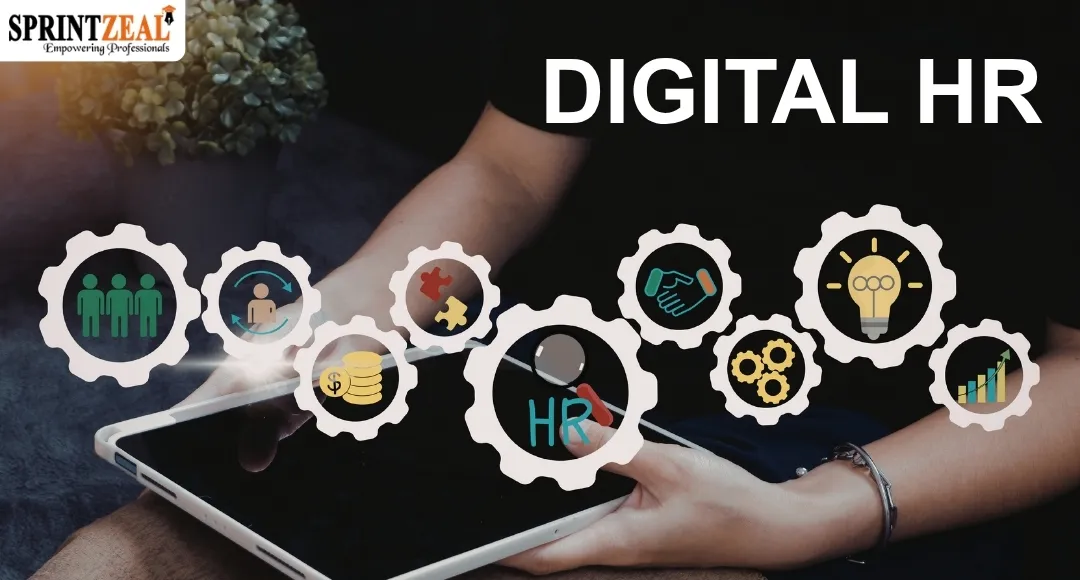
The modern workplace has undergone a significant transformation. With advancements in technology and shifting employee expectations, remote work has evolved from a temporary solution into a long term strategy for many organizations. Human Resources teams now play a critical role in navigating this new landscape. From sourcing talent across borders to building a strong virtual culture, HR professionals must adapt their strategies to meet the demands of a digital workforce.
Remote work has grown rapidly due to increased access to digital tools, global talent pools, and changing employee priorities. Organizations are no longer limited by geography when hiring, allowing them to access highly skilled professionals from around the world.
For employers, remote work reduces overhead costs and expands hiring opportunities. For employees, it offers flexibility, improved work life balance, and the ability to work from preferred locations. This mutual benefit has made remote work a lasting feature of the modern workplace.
Despite its advantages, remote work introduces new challenges. Communication barriers, time zone differences, and maintaining team cohesion can impact productivity. HR teams must proactively develop strategies to overcome these issues while ensuring employees remain engaged and aligned with company goals.
Recruiting remote talent requires a different approach compared to traditional hiring. HR professionals must leverage digital tools and refine their processes to identify candidates who can thrive in a remote environment.
Digital platforms such as job boards, applicant tracking systems, and video interview tools are essential for remote hiring. These tools streamline the hiring process and enable HR teams to evaluate candidates efficiently from anywhere in the world.
Incorporating resume screening into the recruitment process helps HR teams quickly identify qualified candidates by analyzing skills, experience, and relevance to the role. This ensures that only the most suitable applicants move forward in the hiring pipeline.
Not all candidates are suited for remote work. HR professionals should prioritize skills such as self discipline, time management, communication, and adaptability. Using talent assessment tools at this stage can help objectively measure these competencies before the interview, ensuring only the most suitable candidates move forward. During interviews, asking scenario based questions can help assess how candidates handle remote work challenges.
A strong employer brand is essential for attracting top remote talent. Companies should highlight their remote work culture, flexibility, and employee benefits on their website and social media platforms. Transparency about expectations and company values helps build trust with potential candidates.
Once the right talent is hired, effective onboarding and training are crucial for long term success. Remote employees need structured support to integrate into the organization and perform at their best.
A well designed onboarding program helps new hires understand their roles, responsibilities, and company culture. HR teams should provide clear documentation, virtual training sessions, and access to necessary tools from day one.
Regular check-ins during the first few weeks can help address any concerns and ensure a smooth transition into the role.
Online learning platforms enable continuous skill development for remote employees. HR teams can offer training modules, webinars, and virtual workshops to enhance employee capabilities and keep them updated with industry trends.
Remote employees can sometimes feel isolated. To counter this, HR should promote collaboration through virtual team meetings, group projects, and communication tools. Encouraging informal interactions such as virtual coffee chats can also strengthen team relationships.
Retention is one of the biggest challenges in a remote work environment. With more opportunities available globally, employees are more likely to switch jobs if their needs are not met.
A strong company culture is key to retaining remote employees. HR teams should focus on creating an inclusive environment where employees feel valued and connected. Recognizing achievements and celebrating milestones can boost morale and engagement.
Flexibility is one of the main reasons employees choose remote work. HR policies should support flexible schedules and respect personal boundaries. Encouraging employees to take breaks and avoid burnout is essential for long term productivity.
Employees are more likely to stay with organizations that invest in their growth. For distributed teams, comparing competency management software in 2026 can make those growth plans easier to connect with documented skills. HR teams should provide clear career paths, mentorship programs, and opportunities for skill development. Regular performance reviews and feedback sessions can help employees understand their progress and future prospects. .
Effective communication is critical in a remote work environment. HR should establish clear communication channels and encourage open dialogue between employees and management. Regular feedback helps identify issues early and ensures continuous improvement.
Leadership plays a vital role in the success of remote work initiatives. HR teams must work closely with leaders to align strategies and ensure consistent implementation across the organization.
Managing remote teams requires a different skill set. HR should provide training for managers to help them lead effectively in a virtual environment. This includes setting clear expectations, monitoring performance, and supporting employee well being.
Trust is the foundation of successful remote teams. HR and leadership should focus on results rather than micromanagement. Empowering employees to take ownership of their work fosters accountability and improves overall performance.
The future of HR in the digital age will continue to evolve as new technologies and work models emerge. Artificial intelligence, automation, and data analytics will play an increasingly important role in shaping HR strategies.
HR teams can use data analytics to gain insights into employee performance, engagement, and retention. This information helps in making informed decisions and improving overall HR processes.
As remote and hybrid workforces grow, traditional hiring falls short. iMocha’s Skills Intelligence Platform enables a skills-first approach with AI-driven insights for smarter hiring and upskilling.
Many organizations are adopting hybrid work models that combine remote and in office work. HR teams must develop policies that support both environments while maintaining consistency and fairness.
Employee experience will remain a top priority for HR. Organizations that focus on creating a positive and supportive work environment will have a competitive advantage in attracting and retaining talent.
Automation tools like HRMS, payroll software, and Mac employee monitoring software help streamline salary processing, tax compliance, and employee payments for remote teams. From recruitment to performance management, automation improves efficiency and accuracy in HR operations.
Creating a sustainable remote workforce requires a long term commitment from HR teams and organizational leaders. By focusing on effective hiring, continuous training, and strong retention strategies, companies can build resilient and high performing remote teams.
HR in the digital age is not just about adapting to change but also about leading it. Organizations that embrace innovation and prioritize their people will thrive in the evolving world of work.

Thu, 24 September 2026
Tue, 22 September 2026
Tue, 22 September 2026
Thu, 17 September 2026

Wed, 16 September 2026

Wed, 16 September 2026

Tue, 15 September 2026
Tue, 15 September 2026

Mon, 14 September 2026

© 2026 Sprintzeal Americas Inc. - All Rights Reserved.


 USA : +1315-322-7821
 UK : +44 7700 174870
 IND : +919036108287
 AUS : +61 480 005 455