How Certified Professionals Turn a Credential Into Career Momentum
Wed, 21 October 2026

Inspirational journeys
Follow the stories of academics and their research expeditions
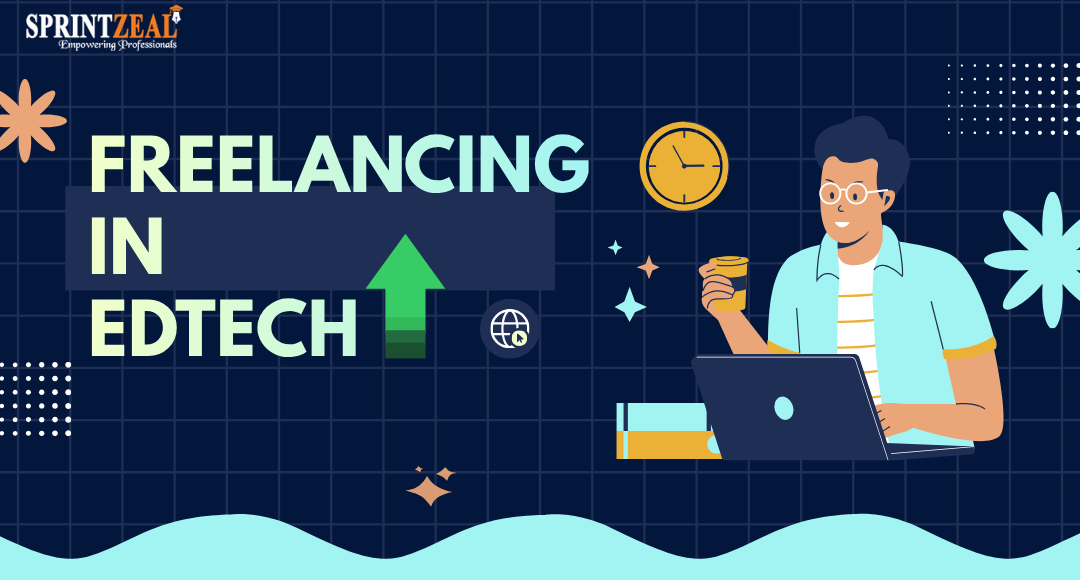
The gig economy is often associated with ride-sharing drivers, food delivery couriers, and freelance designers. Yet one of its fastest-growing and most overlooked sectors is education.
Across the world, teachers, tutors, curriculum writers, admissions consultants, language coaches, and online course creators are increasingly working outside traditional institutions.
Instead of being salaried employees of schools or universities, many now earn income project by project, class by class, or client by client. In this sense, education is no longer only a profession anchored in institutions—it is becoming part of the gig economy.
This shift reflects a broader transformation in how societies value flexibility, specialization, and convenience. Traditional education systems were built around stable structures: fixed classrooms, long-term employment contracts, annual timetables, and standardized programs. But digital technology has changed expectations.
Families want personalized tutoring. Adult learners want evening classes after work. Professionals want short courses that solve immediate skill gaps. Students preparing for competitive exams want targeted coaching rather than broad instruction. These demands are difficult for large institutions to meet quickly, but ideal for independent educators operating in a gig model.
The modern education gig worker can take many forms, including working for tutoring platforms for students concentrated in Australia and other Euro-American countries.
All of these people are selling educational expertise in flexible, market-based arrangements.
One reason this model has expanded is because education contains something highly portable: knowledge. Unlike factories or retail stores, educational services do not always require physical infrastructure. A laptop, internet connection, and reputation may be enough to begin.
This low barrier to entry has allowed many skilled individuals to bypass institutions and reach learners directly. In previous decades, a talented teacher often needed a school to access students. Today, students can access teachers directly.
There is also a powerful economic logic behind the shift. For institutions, hiring freelancers can reduce fixed costs. Instead of employing full-time staff with benefits, some companies hire contract tutors only when demand exists.
For workers, gig arrangements can provide higher hourly rates, geographic freedom, and control over schedule. A tutor may earn more in two hours of private sessions than in a day of traditional classroom teaching. A course creator can generate income while asleep if digital products continue selling.
However, this freedom comes with trade-offs. Gig work in education often lacks stability. Income can fluctuate seasonally. Student demand may rise before exams and disappear afterward.
Platform algorithms may affect visibility. Independent tutors must market themselves, manage cancellations, handle taxes, and constantly maintain client satisfaction. Unlike salaried educators, they may have no pension contributions, paid leave, or clear career ladder.
This creates an interesting contradiction: the gig economy often rewards expertise but not necessarily security. A brilliant teacher may earn excellent money one month and struggle the next.
An experienced admissions consultant may be highly valued during application season but face quiet months afterward. In many cases, education gig workers become both teacher and entrepreneur. They must understand branding, pricing, customer service, and digital tools alongside pedagogy.
Another meaningful issue is inequality. The gig economy can democratize access to educators, but it can also create tiered markets. Wealthier families may hire elite tutors for personalized coaching, while others rely on cheaper mass-market content.
Prestigious credentials can also become commercial assets. A graduate from a famous university may attract clients quickly, even if teaching ability is average, while a highly effective educator without elite branding may need more time to build trust.
In this sense, market logic can sometimes distort educational value.
Yet the gig model also empowers many people who were previously overlooked by traditional systems.
For many, gig education work is not exploitation—it is liberation.
The rise of AI and automation may accelerate this trend. As routine tasks become automated, demand for human-centered educational services could grow. Students may still need mentorship, motivation, accountability, explanation, and emotional intelligence—qualities machines do not easily replace. This means future gig educators may focus less on delivering information and more on guiding learning journeys. The tutor of tomorrow may act as coach, strategist, and mentor rather than simply instructor.
At the same time, society must ask whether education should be treated purely as a marketplace. Learning has public value. It shapes citizenship, opportunity, culture, and social mobility. If too much education shifts into fragmented gig transactions, there is a risk of weakening institutions that provide stability, standards, and long-term development. The challenge is to combine innovation with responsibility.
The future likely lies in hybrid models. Schools and universities may continue offering structure, accreditation, and community. Gig educators may provide personalization, flexibility, and niche expertise. Rather than replacing one another, the two systems may increasingly coexist.
Ultimately, the gig economy in education reveals something deeper about our era: people want learning that is faster, more tailored, and more responsive to real life. At the same time, workers want autonomy over how they use their skills. When knowledge becomes a gig, education becomes both more dynamic and more uncertain. Managing that balance will define the next chapter of learning.

Wed, 21 October 2026
Thu, 15 October 2026

Wed, 14 October 2026
Tue, 13 October 2026
Wed, 07 October 2026

Fri, 02 October 2026

Wed, 30 September 2026
Tue, 29 September 2026

Fri, 25 September 2026

Tue, 22 September 2026


© 2026 Sprintzeal Americas Inc. - All Rights Reserved.

 USA : +1315-322-7821
 UK : +44 7700 174870
 IND : +919036108287
 AUS : +61 480 005 455