How Certified Professionals Turn a Credential Into Career Momentum
Wed, 21 October 2026

Inspirational journeys
Follow the stories of academics and their research expeditions
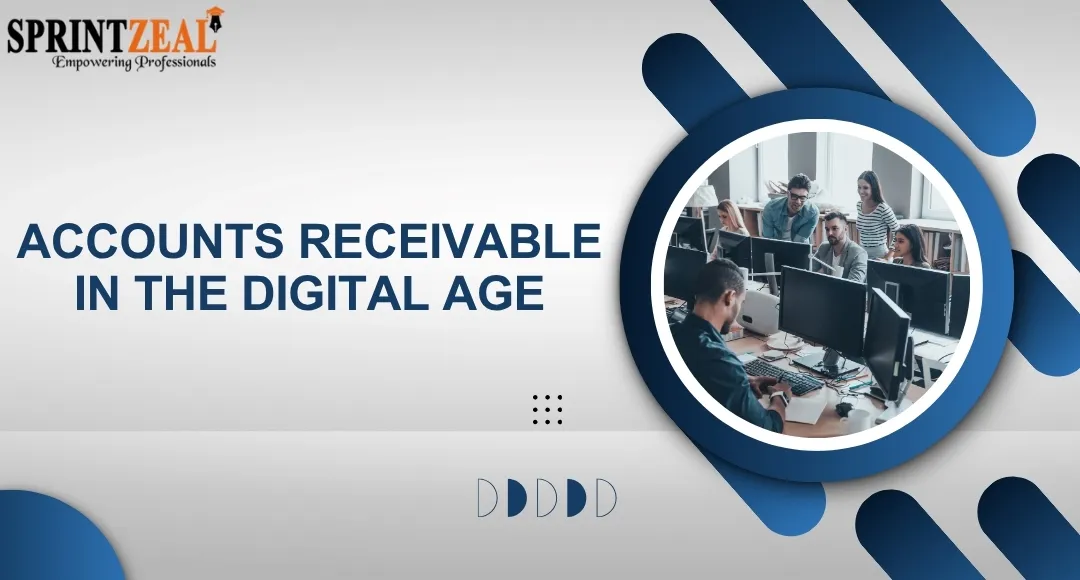
Many businesses struggle with delayed payments, scattered records, and manual tracking systems. These issues slow down operations and reduce visibility into incoming cash flow. Teams spend extra time on follow-ups and reconciliation, which affects overall efficiency.
Technology offers better ways to manage receivables and improve financial control. An integrated receivables solution helps businesses organize payments and streamline collection processes. Clear systems support faster transactions and accurate tracking. Read this article to gain more knowledge and check these factors that show how technology transforms accounts receivable.
Modern systems bring all payment data into one platform. Businesses can view invoices, payments, and customer details in one place. This setup removes the need to switch between multiple tools. Centralized access improves transparency across finance teams. Managers can review payment status in real time. Therefore, better visibility helps businesses make informed financial decisions and maintain control over receivables.
Automation replaces repetitive tasks that consume time and resources. Invoice generation, payment matching, and reporting can run through automated systems. This approach reduces human effort and improves consistency. Teams can focus on strategic tasks instead of routine work. Automated workflows also reduce delays in processing payments. Hence, automation supports efficiency and improves overall receivables management.
Technology allows businesses to process payments quickly through digital channels. Faster processing reduces waiting time and improves cash flow. Businesses receive funds without unnecessary delays. Quick transactions also help maintain smooth operations. Therefore, faster payment cycles support better financial planning and reduce pressure on working capital.
Real-time tracking provides immediate updates on payment status. By utilizing modern nonprofit payment processors, organizations can monitor outstanding member dues or donor pledges and identify delays quickly. This insight helps teams respond to issues without delay. Businesses can monitor outstanding invoices and identify delays quickly. This insight helps teams respond to issues without delay. An integrated receivables solution allows accurate tracking of all transactions. Clear data helps improve collection strategies. Hence, real-time tracking strengthens control over accounts receivable processes.
Modern receivable systems connect with accounting and banking platforms. This integration ensures smooth data flow between systems. Businesses avoid duplicate data entry and reduce errors. Connected systems improve accuracy in financial records. Therefore, integration supports efficient workflows and helps maintain consistency across financial operations.
Technology simplifies the payment experience for customers. Digital platforms offer multiple payment options and clear instructions. Customers can complete transactions easily without confusion. A smooth payment process encourages timely payments. Hence, better customer experience supports faster collections and reduces follow-up efforts for finance teams.
Advanced systems provide detailed reports and analytics. Businesses can analyze payment patterns, customer behavior, and outstanding balances. This information helps improve financial strategies. Clear insights allow businesses to adjust collection methods and improve efficiency. Therefore, data-driven decisions enhance overall receivables management and support long-term growth.
Technology has changed how businesses manage accounts receivable by improving efficiency, accuracy, and visibility. Centralized systems, automation, and real-time tracking help reduce delays and improve cash flow. Integration with financial platforms and improved customer experience support smoother payment processes. Businesses that adopt modern receivables solutions gain better control over financial operations. A structured approach to receivables management helps companies maintain steady cash flow and improve overall financial performance.

Wed, 21 October 2026
Thu, 15 October 2026

Wed, 14 October 2026

Tue, 13 October 2026
Wed, 07 October 2026

Fri, 02 October 2026

Wed, 30 September 2026

Tue, 29 September 2026

Fri, 25 September 2026

Tue, 22 September 2026


© 2026 Sprintzeal Americas Inc. - All Rights Reserved.

 USA : +1315-322-7821
 UK : +44 7700 174870
 IND : +919036108287
 AUS : +61 480 005 455