How Certified Professionals Turn a Credential Into Career Momentum
Wed, 21 October 2026

Inspirational journeys
Follow the stories of academics and their research expeditions
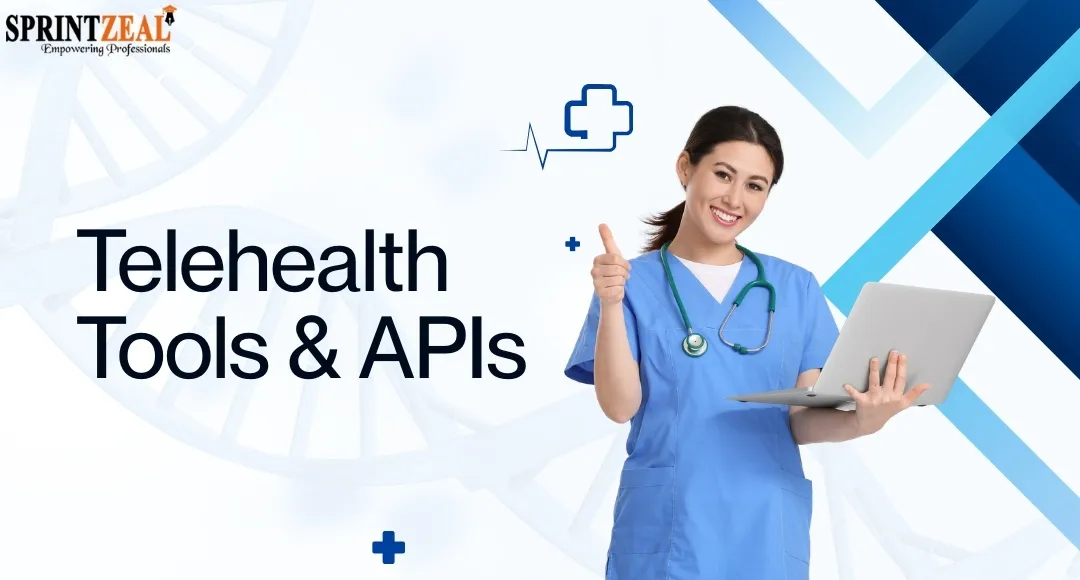
Telehealth platforms have reshaped healthcare delivery. About 74% of physicians now provide remote care through video conferencing, up from 14.3% in 2018. This change is permanent.
The U.S. telehealth market has grown to $42.54 USD billion in 2024. Experts expect a 23.8% yearly growth through 2030. The global market should reach $101.2 USD billion in 2023. These numbers paint a clear picture - remote healthcare will stay.
After testing dozens of telehealth software options, iotum emerges as the best available platform. The platform excels by blending accessible design with advanced features that doctors need.
These APIs help improve healthcare provider output by 40% through reduced manual work and better information access. That's why we created this list of the 6 best telehealth tools and APIs to help you provide quick remote care. As telehealth adoption continues to rise, healthcare organizations and behavioral health providers are also turning to platforms like Prosperity BH for operational and patient support services that complement virtual care delivery.
iotum is one of the best telehealth tools for efficient remote care delivery for healthcare providers who just need excellence.
This solution makes virtual healthcare simple with its feature-rich approach to remote care delivery.
The platform excels with these powerful tools:
The technical capabilities are impressive with WebRTC-based encrypted sessions, multi-camera functionality, and adaptive video resolution that adjusts to bandwidth conditions.
The platform eliminates common telehealth obstacles. Quick-join options and mobile flexibility help reduce no-show rates. SMS and email reminders help patients remember their appointments.
Doctors appreciate the detailed analytics that show usage patterns and care quality trends. These insights help practices enhance their virtual care delivery. This data-driven approach is essential for optimizing patient flow as it allows administrators to pinpoint exact operational bottlenecks and streamline the entire care journey.
The platform also shines with its integration options - REST endpoints and webhooks blend naturally with existing EMR systems and patient portals.
iotum proves valuable in healthcare settings of all sizes. Multi-site practices and clinics that coordinate virtual care programs benefit from its consistency and controlled access.
Rural healthcare gets better as iotum connects specialists with patients whatever their location. This removes geographical barriers to specialized care.
Amazon Chime SDK gives healthcare organizations powerful tools to add communication features to their applications.
Amazon Chime SDK gives developers the tools to add audio, video, and screen sharing to their applications quickly. Medical institutions can use the same communication technology that powers Amazon's own meeting service.
Amazon Chime SDK stands out with these features:
The factual information highlights Amazon Chime SDK advantages:
Amazon Chime SDK powers complete telehealth experiences. Patients check into virtual waiting rooms with staff or chatbots. Care team members can start video consultations for remote diagnoses.
Healthcare organizations have found success with Amazon Chime SDK. Cerner added video capabilities to its electronic health record system and patient portal. Amazon Clinic launched its video communication 50ster using Amazon Chime SDK than other options.
The platform supports phone calls, web-based audio, video, chat messaging, and SMS appointment reminders through Amazon Pinpoint. AI/ML capabilities help optimize communication and create efficient workflows for care teams and patients.
Amazon Chime SDK cuts costs and simplifies communication infrastructure. Healthcare providers looking to add telehealth features to their systems will find it an excellent choice.
Sinch Voice & Video API gives developers a practical way to add telehealth communication features.
Sinch's cloud-based platform lets you add real-time interactions to your telehealth app:
Sinch's technical advantages make it a great choice for telehealth development:
Sinch excels in healthcare apps that need secure communication. Their healthcare customers have reduced regular patient care costs by 11% and achieved ROI that's 3x higher.
The platform works great for patients in remote areas or those who can't leave home. Its security features protect sensitive medical consultations with SSL/HTTPS encryption.
Sinch manages signaling and connections while developers create user-friendly telehealth interfaces without worrying about complex communication systems.
This makes it perfect for building doctor-patient video consultation apps where doctors can set their schedule, make calls, and send summaries after discussions.
The platform helps bridge communication gaps in healthcare's voice-first environment with features like in-app calling and click-to-call support. Developers like Sinch's sample apps and simple coding needs to enable video calling in healthcare settings.
Cloudinary Video API serves as a strong choice for healthcare providers who want to add video to their telehealth systems.
The cloud-based video platform from Cloudinary comes packed with capabilities that work well for medical applications:
The API-first approach lets developers add video management to custom healthcare applications easily. Medical platforms can create individual-specific video experiences with this flexibility.
The platform handles transcoding and compression automatically. This reduces file sizes while keeping quality high - essential for medical imaging and consultation videos.
Cloudinary's global CDN infrastructure helps healthcare providers reach patients anywhere with minimal delays.
Patient confidentiality stays protected through security features like access controls and signed URLs, which align with healthcare regulations.
Doximity shows how well Cloudinary works in telehealth. This platform connects over a million healthcare professionals and chose Cloudinary to handle their extensive video transformation needs for mobile devices.
"Being able to tap into Cloudinary's image and video transformations has really enabled us to move quickly," notes James Hicks, Director of Engineering at Doximity.
Adaptive bitrate streaming proved most helpful in medical facilities where cell coverage changes by a lot throughout large buildings. Healthcare professionals can watch clinical videos during breaks whatever their location in the facilities.
"It's genuinely been years since we've had to think about how we optimize assets to deliver them to our users," Hicks added. His comment shows how Cloudinary handles critical video delivery tasks so healthcare providers can focus on patient care.
Cloudinary's API provides the technical foundation that growing telehealth services need for high-quality video experiences while maintaining clinical standards and accessibility.
Healthcare providers looking for video integration tools can explore Vimeo Developer API's powerful options for telehealth applications.
Vimeo's developer tools shine at video content management with these notable capabilities:
The API serves as a powerful toolset that blends with healthcare apps and services. Developers can communicate with the API through HTTP requests, including endpoints, methods, and parameters.
The /me endpoint gives a handy reference to the authenticated user and makes account management simpler.
The detailed reference documentation helps developers implement video features quickly.
The API can perform almost any action possible on the Vimeo.com website, giving developers full control.
The reference documentation's clear hierarchical organization makes finding specific functions easy.
Healthcare providers who need to blend professional-grade video into existing telehealth systems will benefit most from the Vimeo Developer API.
Developers start by creating an API app and an authentication token. This allows them to make use of the platform's flexible integration capabilities to build custom video experiences.
The API excels at creating secure video content libraries for patient education. Password protection and domain-level privacy help healthcare providers protect sensitive medical content.
The email capture feature allows follow-up communication with patients after they view educational content.
Vimeo Enterprise customers get exclusive access to their live API. Their Enterprise healthcare solution comes with industry-specific features. The documentation has sections about working with Vimeo Events and playing them through external HLS players.
Telehealth platforms often choose Vimeo because it eliminates building video infrastructure from scratch. The player SDKs handle complex video delivery, so developers can focus on creating user-friendly patient experiences instead of managing video technology.
Sendbird Video provides the secure, immediate video communication that healthcare providers just need.
Sendbird's solution comes packed with impressive capabilities for healthcare applications:
Sendbird achieved HIPAA compliance in just three months after launching its voice and video features. This shows their steadfast dedication to healthcare security standards.
The platform's native SDKs create excellent mobile experiences. Teams can implement it quickly, with first calls possible within fifteen minutes.
Sendbird signs Business Associate Agreements to guarantee HIPAA compliance for healthcare organizations. Their security standards match their chat product's standards, which major healthcare providers like United Healthcare and Docplanner trust already.
Sendbird shines in telemedicine applications that require strict patient confidentiality. Healthcare providers can connect with patients whatever their location.
Mental health platforms thrive especially when using Sendbird's personal, supportive communication environment. Research shows patients report better outcomes and satisfaction when video calls create an intimate setting.
Healthcare marketplaces find value in Sendbird's ability to aid buyer-seller interactions within the application. This keeps sensitive discussions secure while professional boundaries stay intact.
Rural healthcare delivery improves through Sendbird's telehealth capabilities by eliminating distance barriers. Healthcare benefits administrators can also discuss sensitive information securely through the platform's protected channels.
Curatech's experience proves how quick integration can be, they added Sendbird Video Calls in just two weeks when COVID-19 increased the need for remote appointments.
Telehealth has transformed patient care delivery forever. The numbers tell a compelling story - almost three-quarters of physicians now use video conferencing for patient care, and the market grows by 23.8ch year. This rapid expansion proves that remote healthcare has become a permanent part of modern medicine.
Our analysis of twelve powerful telehealth solutions shows iotum as the standout platform for healthcare delivery.
It's complete visit management, browser-based access, and robust security measures give healthcare providers everything they need for effective telehealth services.

Wed, 21 October 2026
Thu, 15 October 2026

Wed, 14 October 2026

Tue, 13 October 2026
Wed, 07 October 2026

Fri, 02 October 2026
Wed, 30 September 2026

Tue, 29 September 2026

Fri, 25 September 2026
Tue, 22 September 2026


© 2026 Sprintzeal Americas Inc. - All Rights Reserved.

 USA : +1315-322-7821
 UK : +44 7700 174870
 IND : +919036108287
 AUS : +61 480 005 455