What Is Gamification in Education?
Wed, 07 October 2026
Inspirational journeys
Follow the stories of academics and their research expeditions
Imagine if learning felt like playing a game. Gamified learning is the concept that makes it possible. MarketsandMarkets data shows that the gamified learning market is worth between $6.2 billion and $18.4 billion approximately in 2026. Generation Z and younger generations who grew up with phones are inclined toward gamified learning. To learn more, explore more on the topic and learn how gamification is helping students to learn faster by putting less effort.
When you play a video game, you move through levels. When you clear a stage, you earn points, collect badges, and see your name on a leaderboard as you move from one level to the next. Teachers and learning apps use the same tricks to keep students hooked on ordinary lessons.
Students can earn points when they finish a chapter and get a badge when they take a quiz and crack it. There is also a ranking based on performance, the same as the leaderboard in a game.
All these make learning an enjoyable process. We have attended lectures in the classroom or through distance learning; all these remain the same, with a hint of gaming rewards. Imagine you attend a lecture like a player, learning new things while winning rewards. No more getting distracted in between lectures.
Points and XP (experience points)
Think of it like a piggy bank, but instead of saving money, you put in effort and save up points. The more effort you put in, the more points you earn. For example, if you complete a lecture, you might earn 10 points, 5 points for acing a quiz, and 5 more points for joining a discussion. In a week, you have 20 points now.
“XP” refers to experience points. The same term is used in video games. The more experience, the stronger the character. In learning, the more you participate, the more your experience grows. You can clearly see your progress and also measure it. For example, if you earned 20 points this week and went straight to 45 points, it is clearly visible how much effort you have put in.
Badges
Badges are proof that you have actually understood a topic, not just quickly glanced at it. Think of it as medals that you win in sports events. Each badge is a small reward for doing one particular thing. For example, you might get a "Quiz Master" badge for scoring full marks on a quiz, or a "Chapter Champion" badge for finishing a whole chapter. Some are for hitting milestones, like completing 10 lessons or practicing 7 days in a row.
Leaderboards
This is a list of students who are performers. This helps encourage the students to do better and fosters healthy competition.
Levels and progress bars
Levels are like stages. If you complete level 1, the next is Level 2, then Level 3, and so on. Progress bars are like a quick way to visually see how far you have come without manually calculating or remembering. Every time you finish a topic in a chapter, a bar fills in a bit and keeps filling as you progress.
Storylines
A narrative structure gives context and purpose to the lessons, turning an assignment into a "quest".
You might be familiar with the feel-good hormone called Dopamine. It is released when we are experiencing something pleasant, like eating our favorite food, scrolling, or even achieving a goal. The hormone motivates an individual to do tasks again and again, especially if you have done well. So, when you earn a point while attending a lecture, your brain releases a bit of it. That’s how you feel good; you feel good about yourself.
Because of this hormone, you would want to do the same tasks again and again; this is the reason why we can’t stop playing video games again and again. Therefore, when you attend a lecture and participate in a quiz, you will attain a badge, and it will make you feel good about yourself. You would want to do it again and again.
Next is Immediate feedback. In learning apps, you can get feedback immediately. If it is a pen-and-paper test, you might wait for results for days and even weeks. If your answer is incorrect, you will know then and there and correct it in no time. You will have the urgency to correct your mistake when it is pointed out instantly.
Lastly, active participation is the main reason why students are hooked on learning. Unlike traditional lectures, where you attend a lecture, listen, and come back. In gamification of learning, you learn a topic, but also take a quiz related to it, earn a badge, earn points, and see yourself on the leaderboard. It is the same as not only watching a chef prepare food on screen but also cooking later with the same recipe to see if you get the same results.
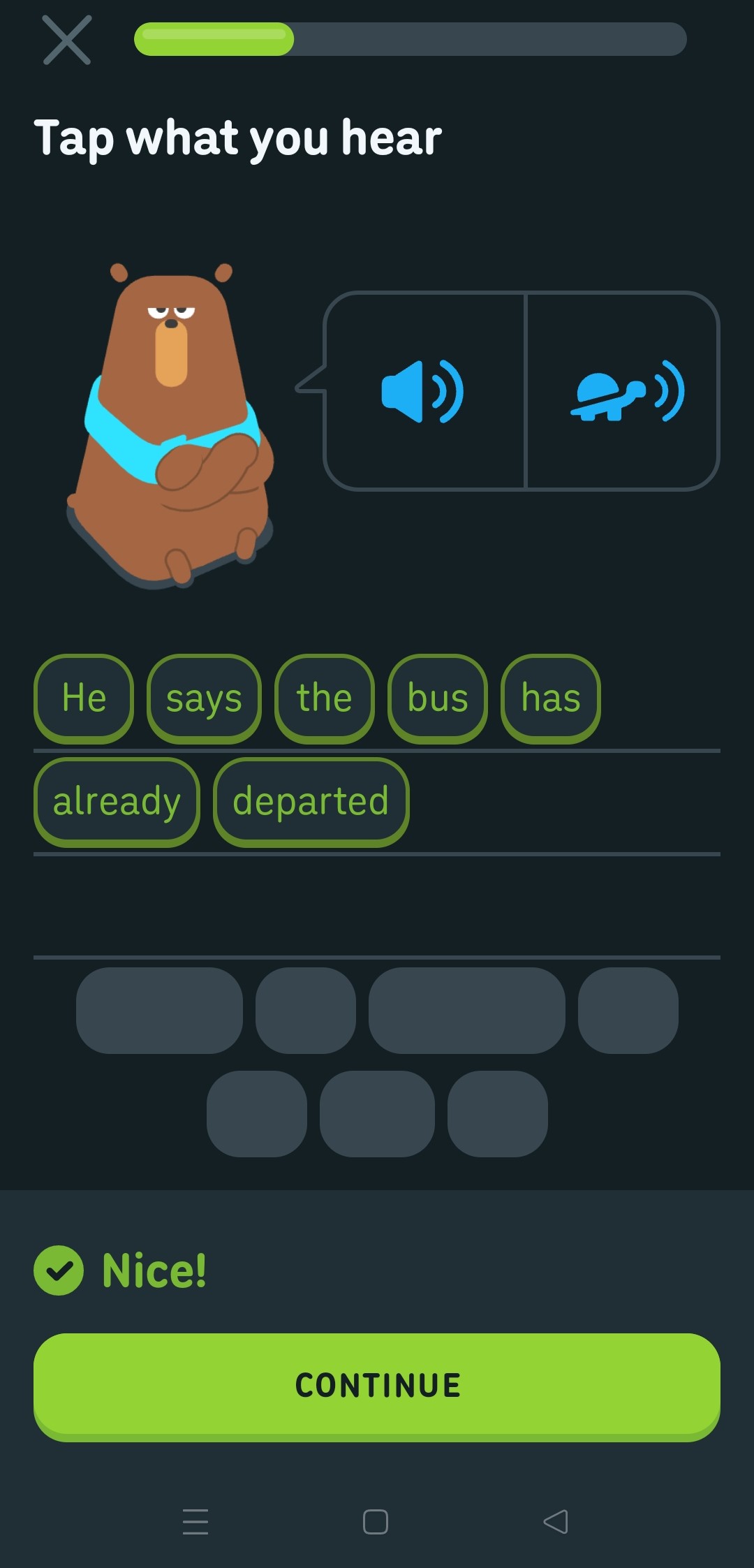
You might have come across Duolingo . The app is used to learn new languages, check how you frame a sentence, check your grammar, make you fill in the blanks, and listen and respond to answers. There is a chain of questions. After answering every question, you get to see your streak and your score in a language (English or any other language).
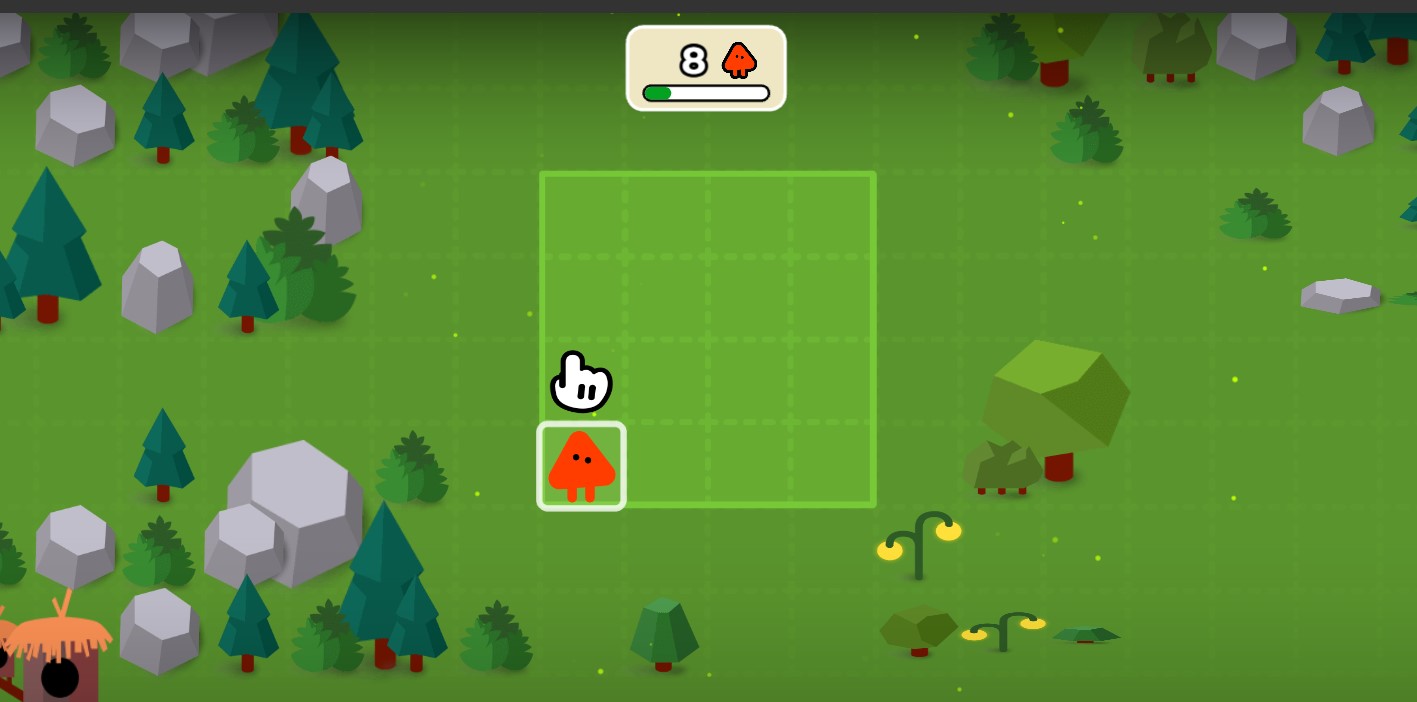
There is one more gamified learning platform named Kahoot!. Where you can solve a math quiz like playing a game. There are options like pop-up multiplication, duck-duck fractions, and number adventures. You will be given a number, say 6. You can to fill 3 fruits in two columns of grid, which means (2*3 = 6).
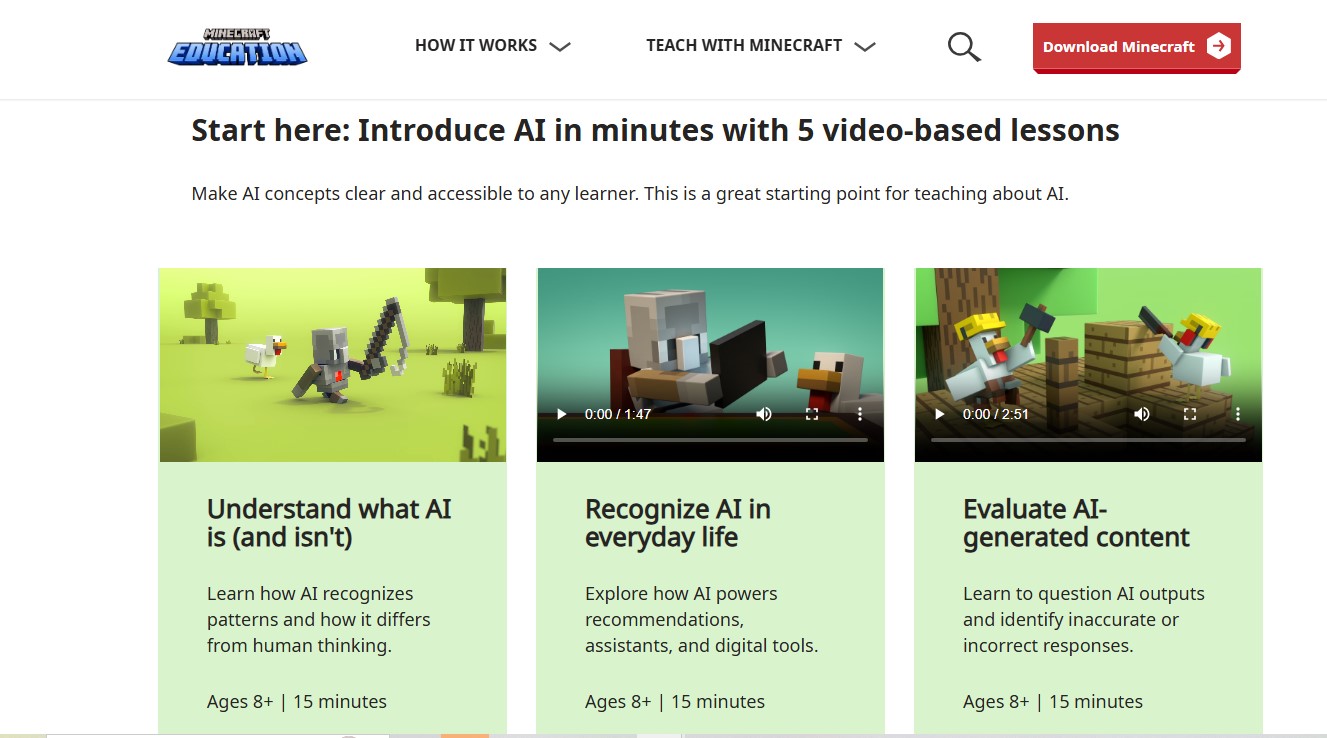
Simulations (Minecraft Education) let you practice in a world instead of merely reading about it. In Minecraft Education, a student might build a model of a city, role-play as a scientist solving a problem, or work with a team to design a sustainable village. Simulations help students learn to think through problems by trying things out, much like a pilot practices in a flight simulator before flying a real plane.
AI-driven personalization is a way to make learning better. It uses intelligence to watch how you are doing. Instead of giving everyone the same tasks, it changes things based on your progress. If you are moving quickly and doing well, the questions become more difficult. If you are having trouble, it slows down. Offers extra help.
That could be a video or a practice sheet. This is like having a tutor who knows your speed. It’s not a one-size-fits-all lesson where everyone gets the same thing. Each student gets what they need at their pace.
Reality and augmented reality environments: Virtual reality puts you inside a computer-made world, usually through a headset. Augmented reality adds objects on top of the real world, usually through a phone or tablet. For learning, this means you could "walk" through Rome, explore the inside of a human heart, or see a 3D model of the solar system floating in your classroom instead of just reading about them in a textbook.
Micro-gamification means using small game elements. Instead of a big, long game, micro-gamification adds tiny game-like touches to your normal day. Examples are a streak for logging in, a quick one-minute quiz, or a friendly reminder that says, "You are 2 questions away from today’s goal!" These little things take no time, so they fit easily into a regular study routine without feeling like a separate activity.
Gamified learning is a process that rewards a learner in different ways. The fun parts of video games, such as badges, leaderboards, points, and levels. All these make learning interesting. If you are a student, you will be hooked on your screen if something is interactive. It gives feedback instantly, so students will correct their mistakes at the same time.
But remember it is not a miracle solution. Relying on it can hamper your self studying, as you might get inclined towards getting rewards and learning at the same time. If you aren’t performing well, gamified learning platforms can also give you anxiety.
Nonetheless, our company Sprintzeal provides some courses that align with the topic. There are courses related to soft skills that can enhance your knowledge of how to make yourself presentable, draw boundaries, say the appropriate things, and navigate when things fall out of place. At Sprintzeal, we have 100 plus courses that run daily in 490+ locations globally.
There are different modes of training as well: corporate, classroom, and online. Trainers with not only factual but also real-world experience train learners. You can explore these two courses:
Effective Communication Skills Certification
1. Does Gen Z like gamified learning?
Indeed, Gen Z likes gamified learning because it aligns with their taste. Gen Z wants things to happen faster and get results faster. If you get instant feedback, it will boost your motivation to become better.
2. Which companies use gamification in education?
Duolingo, Kahoot!, Minecraft Education, Prodigy Education, and Quizlet are some of the best examples.
3. What are the benefits of gamifying education?
It keeps students occupied even after learning. It improves our knowledge retention. You can fix your mistakes immediately. There are points, badges, goals, and levels. All these things keep a student from skipping a lecture and keep them doing better. Beyond school subjects, games teach skills that you use in life and work.
4. Which is the No. 1 gamified learning platform?
Duolingo is widely recognized as a gamified platform. The app is used to learn new languages, check how you form a sentence, fill in the blanks, and listen and respond to questions. There is a chain of questions. After answering every question, you get to see your streak and your score in a language (English or any other language).
5. What are the free gamified learning platforms?
Duolingo, Kahoot!, Quizizz, Blooket, and Educaplay are some of the free options to opt for when you are looking for gamification in online learning.

Wed, 07 October 2026
Fri, 02 October 2026
Wed, 30 September 2026

Tue, 29 September 2026
Tue, 22 September 2026

Tue, 22 September 2026

Thu, 17 September 2026
Wed, 16 September 2026

Wed, 16 September 2026

Tue, 15 September 2026


© 2026 Sprintzeal Americas Inc. - All Rights Reserved.

 USA : +1315-322-7821
 UK : +44 7700 174870
 IND : +919036108287
 AUS : +61 480 005 455