Best Multilingual Call Center Outsourcing Companies
Thu, 24 September 2026
Inspirational journeys
Follow the stories of academics and their research expeditions
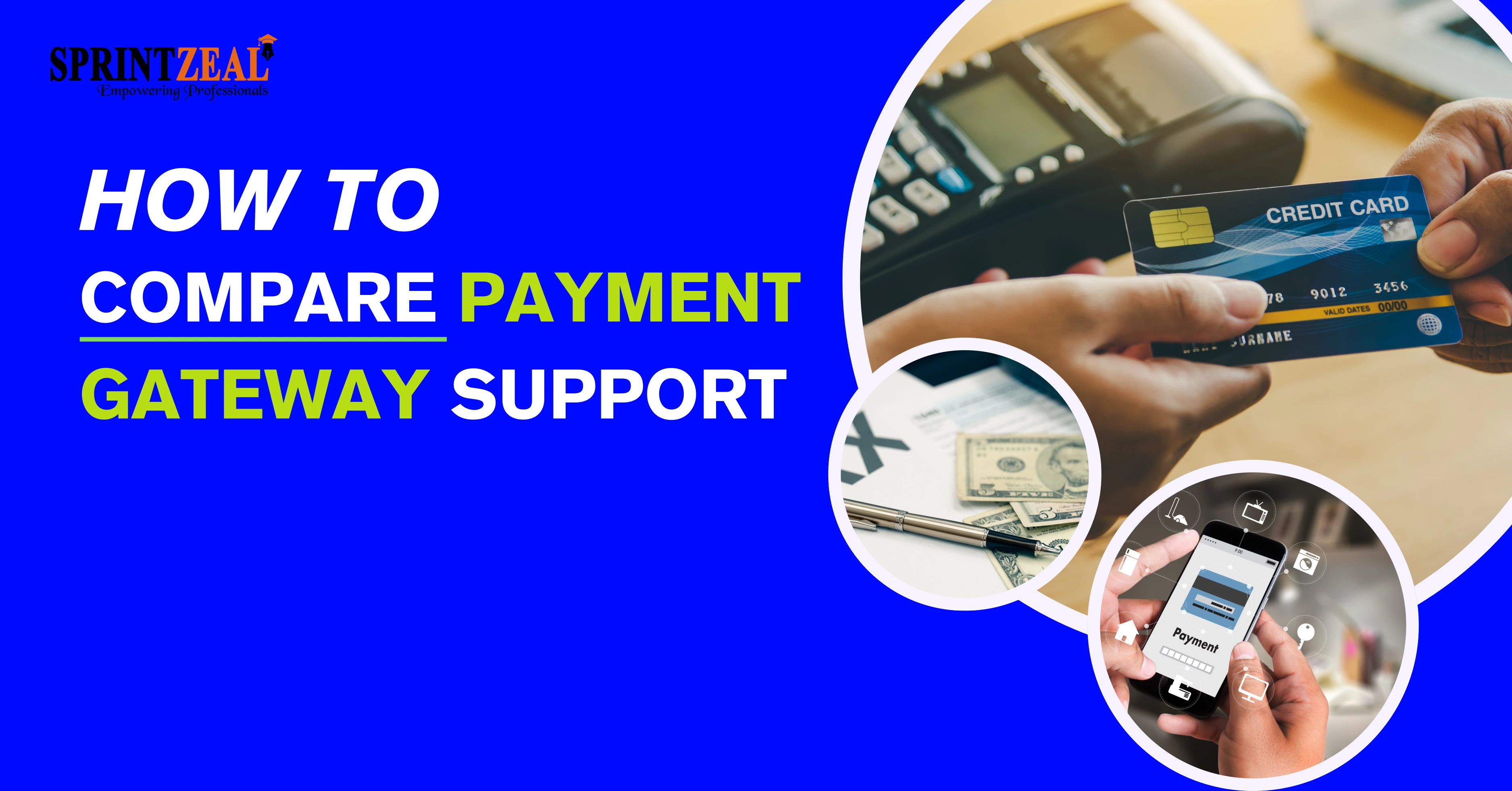
When evaluating payment gateways (PGs) for a fast-growing startup, an enterprise corporation, or a direct-to-consumer (D2C) brand, the natural instinct is to spend weeks negotiating transaction fees. A 0.1% discount looks great on a financial projection spreadsheet.
But in the operational reality of 2026, pricing is a trap.
Consider a typical high-stakes scenario: A brand is running a massive weekend promotional campaign. Traffic is flooding the site, ad spend is peaking, and suddenly, 30% of UPI payments begin failing due to a bank nodal issue. Alternatively, the platform's automated risk engine flags a sudden spike in volume, freezing a ₹25 Lakh settlement on a Friday afternoon.
In these critical moments, standard features and minor fee discounts mean absolutely nothing. The true operational cost of a payment gateway is measured in checkout downtime and unresolved settlement holds. If your gateway lacks a highly responsive support system, your business faces immediate capital lock-up, terminal customer churn, and massive operational disruption.
To protect your revenue before you sign a processing contract or deploy an SDK, you must actively audit the provider's merchant support infrastructure. Use this operational guide to stress-test their support desk like an industry insider.
Do not rely on vague sales promises of "around-the-clock dedicated support". Instead, force them to provide clear metrics based on this functional framework:
E-commerce and digital checkouts operate around the clock, but many traditional banking desks strictly run on standard business hours. You need to establish exactly who is answering your queries at 3:00 AM on a Sunday morning during a major promotional push.
When a checkout bug breaks your conversion funnel, you cannot afford to get stuck in an endless chatbot loop or a general email ticketing system that takes days to route your query.
Payment gateway implementation isn't just a billing issue; it is an engineering challenge. When a custom checkout integration, API failure, or webhook drops out, your development team needs answers from a technical expert, not a general customer care representative reading from a baseline script.
Automated risk engines are designed to prevent fraud, but they frequently flag legitimate, high-ticket transaction spikes or marketing flash sales as anomalies, instantly locking up your working capital.
Managing customer disputes, chargebacks, and transaction reconciliation can quickly turn into an administrative nightmare for your finance and operations teams.
Many large-scale payment processors build phenomenal support systems, but they reserve high-touch engineering support and rapid response times exclusively for enterprise clients processing massive volumes.
Before your legal team signs the dotted line, run through this practical checklist during your vendor evaluation calls:
Building a resilient digital business requires technology partners that function as a direct extension of your internal operational team. When a critical payment link degrades or operating capital is locked up in an automated compliance anomaly, you cannot afford to partner with a gateway that hides behind an endless automated phone tree or slow-moving email templates.
Prioritizing a payment gateway with a verified, highly responsive support ecosystem, developer-friendly live channels, and automated dashboard-driven dispute tools over a fractional discount on processing fees is the smartest, most profitable decision a founder can make.

Thu, 24 September 2026
Thu, 24 September 2026
Wed, 23 September 2026
Wed, 23 September 2026
Tue, 15 September 2026

Tue, 15 September 2026

Tue, 08 September 2026

Thu, 20 August 2026

Mon, 27 July 2026

© 2026 Sprintzeal Americas Inc. - All Rights Reserved.


 USA : +1315-322-7821
 UK : +44 7700 174870
 IND : +919036108287
 AUS : +61 480 005 455