How Certified Professionals Turn a Credential Into Career Momentum
Wed, 21 October 2026

Inspirational journeys
Follow the stories of academics and their research expeditions
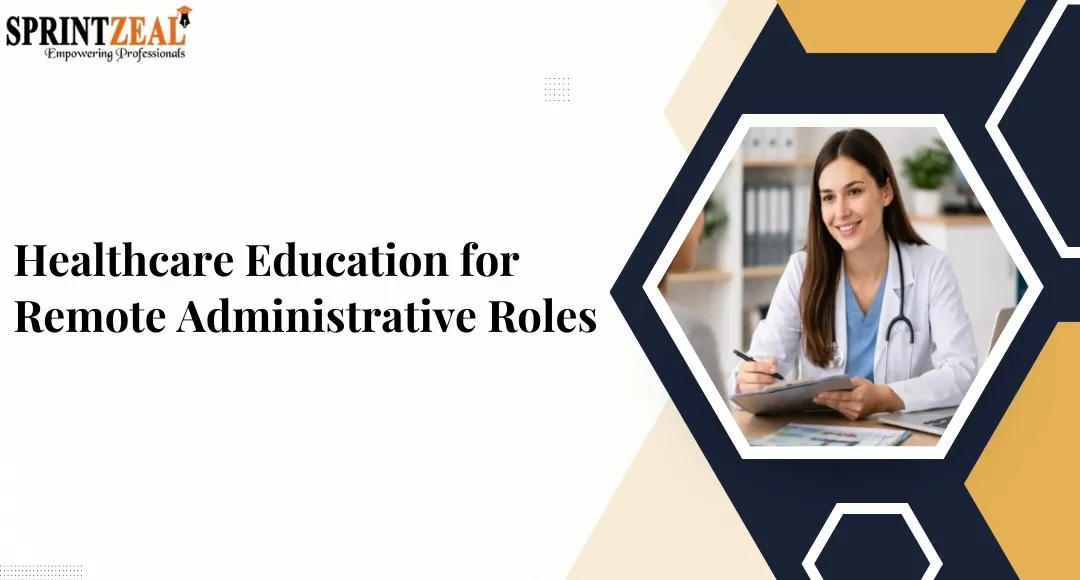
Healthcare is evolving quickly. Digital systems, telehealth services, and cloud based platforms are changing how clinics and hospitals operate.
Because of these changes, healthcare education is beginning to prepare students for administrative roles that can be performed remotely.
Training programs now focus not only on clinical knowledge but also on the operational side of healthcare. Many students entering healthcare administration programs are learning how to support medical teams through digital tools and remote communication systems.
One reason for this shift is the growing reliance on technology across the healthcare industry.
Organizations such as the World Health Organization, American Medical Association, and Centers for Disease Control and Prevention have emphasized the importance of digital health infrastructure.
Remote administrative support has become an important part of how modern healthcare systems function.
Remote work in healthcare administration became more common during the global spread of COVID-19. Hospitals and clinics needed ways to reduce crowding while still maintaining strong patient communication and efficient scheduling.
During that time, many organizations realized that tasks such as appointment scheduling, patient intake coordination, insurance verification, and follow up communication could be handled without staff being physically present.
This shift also introduced new types of administrative support. Many practices discovered that remote professionals could efficiently manage daily communication with patients while clinical teams focused on treatment.
In fact, many clinics now rely on a virtual medical receptionist to coordinate calls, schedule visits, and manage front desk communication from a remote location.
Telehealth platforms like Teladoc Health and Amwell further proved that healthcare operations could function smoothly with distributed teams. As a result, healthcare education programs have started preparing students for these modern workflows.
Modern healthcare administration programs now introduce students to the digital platforms commonly used in hospitals and clinics.
Electronic health record systems are one of the most important tools students learn to manage. Platforms developed by companies like Epic Systems, Cerner, and Meditech allow healthcare professionals to store patient data, coordinate care, and track treatment history.
Students are often trained through simulations that mirror real clinical environments. They practice updating patient records, organizing appointment schedules, and communicating with medical staff through secure systems. Students supporting ambulance operations may also need to understand EMS charting software, particularly how field documentation reaches administrative teams for review and billing.
Learning these platforms prepares students to work efficiently in both traditional clinics and remote administrative environments.
Even in a digital healthcare environment, communication remains one of the most important skills for administrative professionals.
Healthcare education programs place strong emphasis on teaching students how to communicate clearly and compassionately with patients. Administrative staff frequently answer patient questions, guide them through appointment scheduling, and help them understand basic procedures.
Training often includes role playing scenarios where students practice handling sensitive conversations. They may respond to patient concerns, explain scheduling changes, or help someone navigate a digital appointment system.
These exercises help future healthcare administrators develop confidence and professionalism. When they enter the workforce, they are better prepared to communicate effectively through phone systems, online portals, and video platforms.
Handling patient information requires strict attention to privacy laws and professional standards. Because of this responsibility, healthcare education programs devote significant time to teaching compliance and data security.
Students learn about regulations such as the Health Insurance Portability and Accountability Act and how it protects personal health information.
They also study secure communication practices, data protection protocols, and patient verification procedures.
These topics are particularly important for remote administrative work. Accessing medical records from a digital platform requires careful attention to privacy and cybersecurity.
By learning these standards early, students develop the habits needed to handle sensitive patient information responsibly.
Healthcare operations rely on collaboration. Doctors, nurses, specialists, and administrators must coordinate closely to ensure that patients receive timely care.
Healthcare education programs now train students to work within distributed teams. Instead of focusing only on in office coordination, students learn how to communicate with medical professionals through digital collaboration tools.
They practice managing schedules, relaying patient information, and coordinating services between departments. These skills allow administrative professionals to support healthcare providers even when they are not physically located in the same building.
Understanding how remote roles fit into the healthcare workflow helps students see how administrative support directly contributes to patient care. Clinics that hire patient care coordinator need these same skills to manage appointments, follow up on referrals and keep patients informed.
Telehealth services have expanded rapidly as healthcare providers look for ways to reach patients more efficiently.
Technology companies such as Google Health and Microsoft have developed cloud based systems designed to support healthcare organizations.
These platforms allow doctors to conduct consultations, share medical data, and manage patient communication digitally.
Administrative professionals play a critical role in making these systems work smoothly. They schedule virtual appointments, guide patients through telehealth platforms, and ensure that digital records remain accurate.
Healthcare education programs are adapting by teaching students how to manage virtual clinics and support telehealth workflows.
Students learn how to organize digital appointments, assist patients with technical instructions, and coordinate communication between healthcare providers.
These skills prepare graduates for a healthcare environment where virtual services continue to grow.
Even when services are delivered remotely, patient experience remains a central focus in healthcare.
Administrative professionals often shape a patient’s first interaction with a medical practice. A helpful conversation, clear instructions, or efficient scheduling process can significantly improve a patient’s overall experience.
Because of this, healthcare education programs emphasize empathy, professionalism, and cultural awareness. Students learn how to communicate respectfully with people from different backgrounds and how to address patient concerns calmly and effectively.
Strong patient support builds trust and encourages long term relationships between healthcare providers and the communities they serve.
Healthcare technology will continue to evolve. Artificial intelligence, digital health monitoring tools, and advanced communication platforms are likely to expand the range of remote administrative roles.
Education programs that adapt to these changes are helping prepare a workforce capable of supporting modern healthcare systems.
By combining technical training, communication skills, and knowledge of healthcare regulations, schools are ensuring that students graduate ready for a flexible and digitally connected industry.
Remote administrative professionals may not always work inside the clinic, but their role remains essential.
From organizing patient appointments to managing health records, they support the daily operations that allow healthcare providers to focus on patient care.
As healthcare education continues evolving, students entering the field will be prepared for a future where administrative support can happen from anywhere while still contributing to efficient and compassionate healthcare services.

Wed, 21 October 2026
Thu, 15 October 2026

Wed, 14 October 2026
Tue, 13 October 2026
Wed, 07 October 2026

Fri, 02 October 2026

Wed, 30 September 2026
Tue, 29 September 2026

Fri, 25 September 2026

Tue, 22 September 2026
© 2026 Sprintzeal Americas Inc. - All Rights Reserved.

 USA : +1315-322-7821
 UK : +44 7700 174870
 IND : +919036108287
 AUS : +61 480 005 455