MoreLogin Review 2026: Features, Pricing & Alternatives
Fri, 02 October 2026

Inspirational journeys
Follow the stories of academics and their research expeditions

Want to become a UGC Creator? Use your phone-camera skills, face and voice to promote brands. Grand View Research states that the UGC creator market is worth $12.3 billion in 2026 and is constantly moving forward. In 2033, the market is predicted to be worth $55.0 million.
What makes UGC more interesting? Find out in detail in the following sections of this blog titled “How to Become a UGC Creator in 2026: Step-by-Step Guide.”
You might have seen people on social media praising a brand/ product loudly, which directly affects their followers. The followers with blind faith will obviously want to purchase what they see. Here, the person advertising a brand/product using their face and their own social media account is an influencer.
On the contrary, UGC creators create content for a brand/product through photos, videos, and reviews, but do not post it on their own social media. Instead, they give their work to the brand, and then the brand posts it on their social media account.
The main purpose of a company hiring UGC creators is for the content to appear raw and real. People will instantly connect with this type of advertisement as the photos, videos, and reviews involved look real and normal. Otherwise, you might have seen the advertisements done by a professional, looking polished and cinematic.
When there is realism, it feels relatable, and eventually a brand is promoted with a planned marketing campaign.
A UGC creator has multiple responsibilities on their shoulders at the same time in the same project. To begin with, the content should appear real and not scripted; next, the creator talking about a product should acknowledge how it works, feels, and helps. When talking about a brand/product, the content should match how the brand wants to be seen.
The creators have freedom to show their creativity, whether shooting from different angles, using different styles, or different formats. But they also have to deliver quality (good lighting, clear voice, and clear images).
Creators make images and videos for platforms like Instagram and TikTok. The content that they make looks natural and real, not lavish. It should look like someone we know, like our friend, has posted it, not a company.
When a creator unboxes a product and uses it or sets it up in the video, the audience gets a glimpse of a product’s face. In addition, they will get to know how the product is used, the quantity to take, and sometimes even how long the product should be applied. In the case of electronics or DIYs, how to set up a product and how to use it further.
Not to forget, videos that claim results influence people. If all these look like someone like us has done them (not a paid celebrity), then people will trust the brand more.
Every brand has its own charm; some are fun, and some are serious and professional. Some brands are affordable; some are luxe. A brand uses the colour, tagline, and message that represent it. So a UGC creator needs to consider all these while making a video or creating an image. The personality of a brand should be obvious through the content.
What is trending (a meme, a photo, music, or challenge) on the internet appears on the feed now and then, and if a UGC creator uses the trend (funny or emotional) to create videos or images, it is likely to grab eyeballs. Trends get outdated, so the creators need to be quick enough to use them to their advantage.
Moreover, creators sketch videos/images in different styles (humorous, heartfelt, educational, aesthetic, and fast-paced). These are permanent types of content.
The videos and images that are created should look genuine, but the quality of those shouldn’t be compromised. The photos or videos cannot look like a careless attempt.
There is no requirement to have a certain number of followers. A social media account is also not necessary. There are certain skills you need to have to create quality content and get paid for it. Want to know the diffrence between a UGC creator and an influencer, follow the next section.
This is the page of an influencer promoting a brand using his face
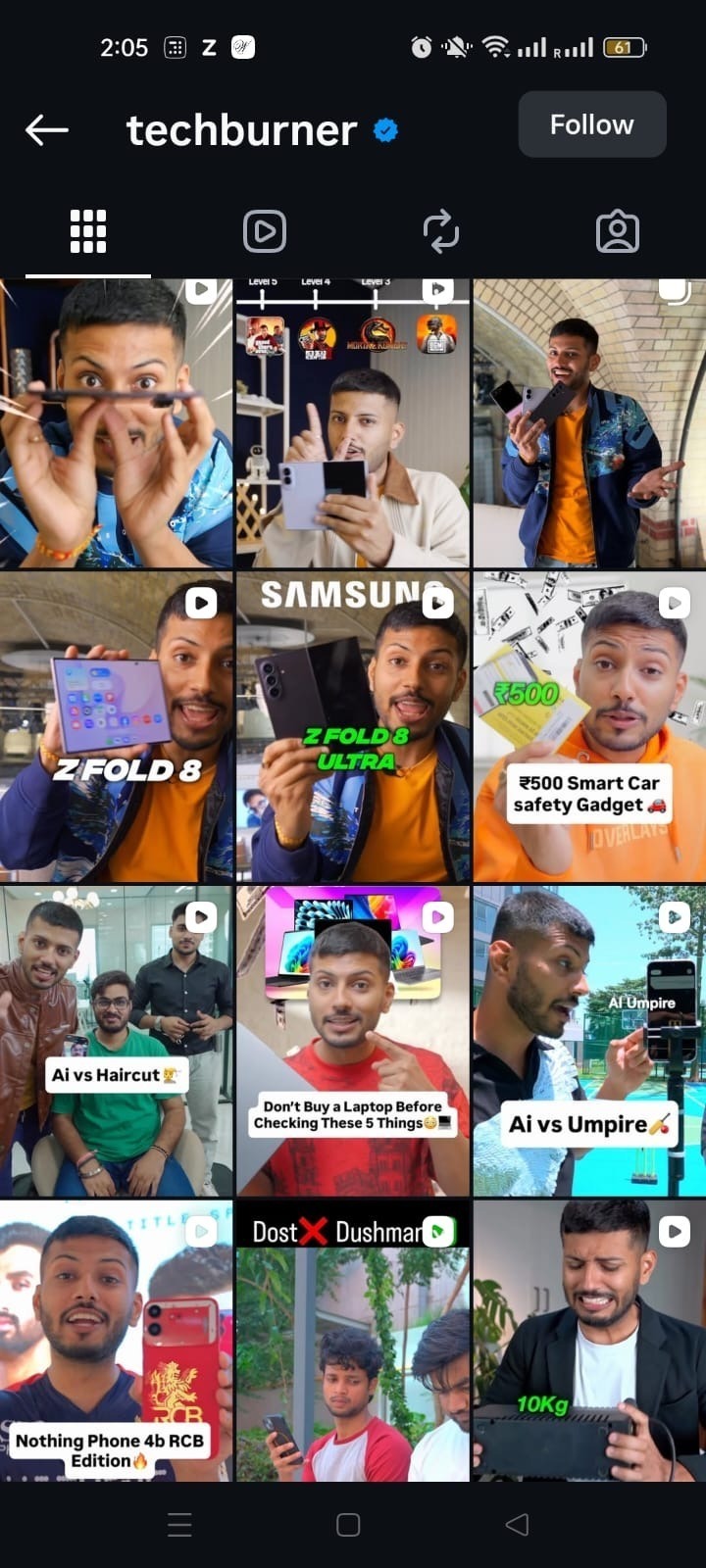 (credit: techburner)
This is a brand page using UGC creator’s videos to promote its product
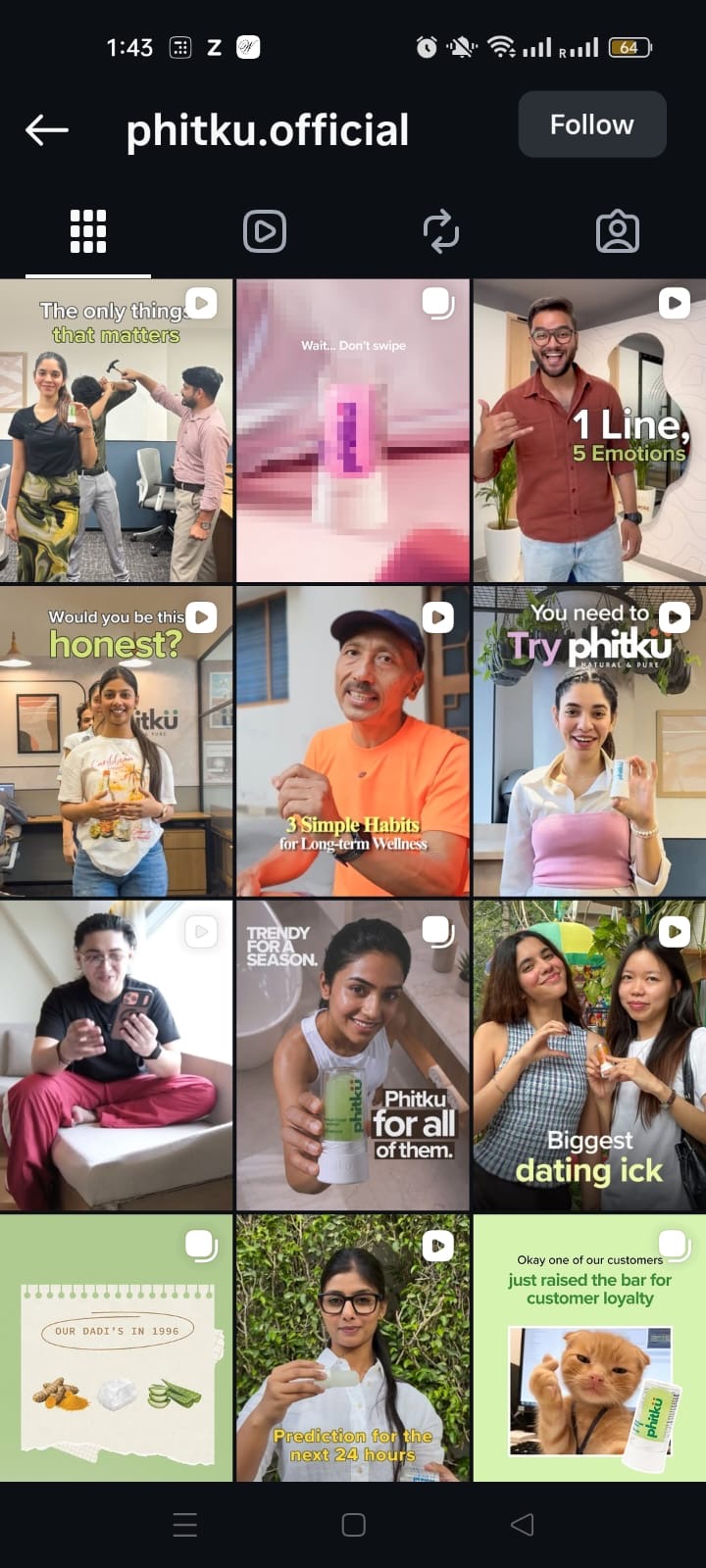 (credit: phitku.official)
|
Feature |
UGC Creator |
Influencer |
|
Where Content is Posted |
Brand's channels (ads, website, emails) |
Their own social media profile |
|
Audience Size Needed |
No followers is fine |
Large, active, and engaging following |
|
Content Ownership |
Brand takes the footage and rights |
Influencer own the content rights |
|
Main Goal |
High conversion and ad clicks |
Brand awareness and reach |
|
Average Cost per Piece |
Lower cost ($100–$500 per video) |
Higher cost ($200–$5,000+ based on followers) |
A blend of creativity, tech-savvy (editing, shooting), and understanding of how content is accepted on different social media platforms.
Storytelling
When someone shares their review of a brand or talks about it on camera, a script with just details about the brand looks bland. Instead, the narration should hold the full attention of the audience. So, narrating a story around the brand(its launch, why the brand exists, from which place are the ingredients from, the significance it holds in today’s world) with a suitable genre (funny, heartfelt, or professional) can build trust.
Editing Skills
To become a UGC creator, you don’t need to be as skilled as a professional filmmaker, but you should know how to edit videos and photos of high quality. Adobe Premiere Pro and Final Cut Pro are some of the great video editing platforms that make content look polished.
Social Media Expertise
On TikTok, short video trends in which people usually perform some challenges. On the other hand, aesthetic photos, split-screen loops, raw BTS footage, and routine reels trend on Instagram. So, a creator must be aware of what works well on different social media platforms.
Authenticity & Relatibility
While creating content, a UGC creator should make sure that the experiences they are sharing are real. If the video looks fake or scripted, or staged, the audience is smart enough to identify it.
UGC Creator Portfolio
You might be using products, so why not make videos of your experience? The products can be skincare, DIYs, apps, gadgets, and many more. Take those products and make videos in different styles: a review video, an unboxing video, and a result claim video. Make samples of videos that can go in your portfolio. Do not forget to mention your email ID on your portfolio. Don’t forget to be consistent.
Pick The Best Platforms To Focus On
Pick a social media platform and master it. Understand your capabilities and the types of audience that you are targeting. If you like taking pictures and aesthetically editing them, Instagram is your best bet.
You can also talk to other creators and join groups or communities on social media. In this way, you can exchange your ideas, learn from others, and get tips.
Essential Gear and Skills
A smartphone, a ring light (or fix the lighting by sitting near a bright spot), tripod, and a clip-on mic are must-haves. For editing, CapCut and InShot are the free apps you can install. Another important skill that you should have is making the most of 3 seconds in your video; otherwise, people might scroll in no time.
Finding and Pitching Brands
You can directly message brands on social media. Every day, you can target 10 to 20 businesses by pitching your ideas. Either message or email them. In addition, you can also join websites like Collabstr, Influee, or Incense. These websites' main purpose is to connect creators with brands.
Pricing and Rates
Reddit data says that a beginner UGC creator can charge a starting amount of $100 to $250 per video (15 to 20 seconds) in the US.
Once you are done making your portfolio, your next step should be finding brands that will find your content suitable. Here are some platforms where you can find a job:
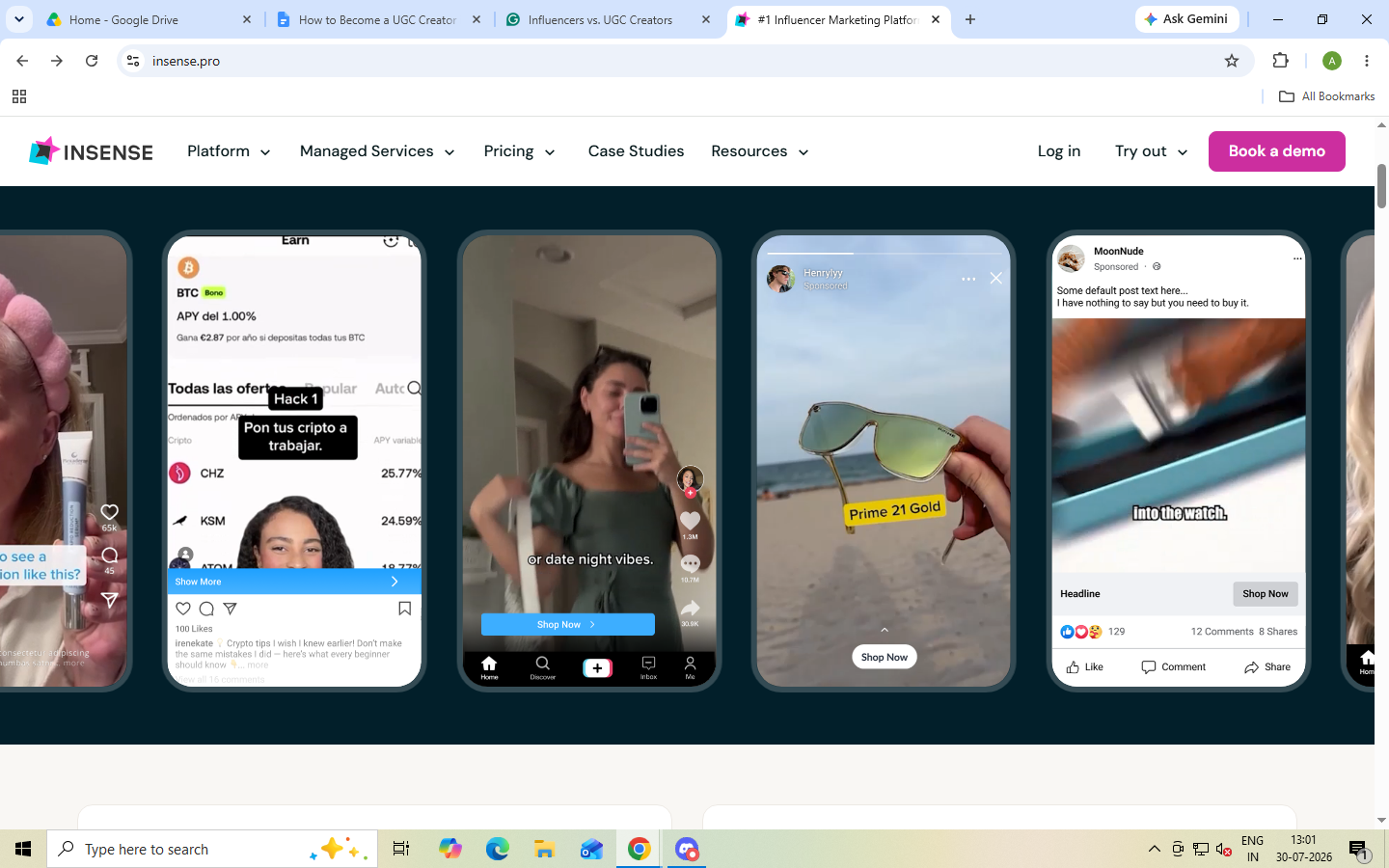
Insense
Insense is the platform that connects UGC creators with brands. This platform is mainly used for creating paid ads and not regular posts. This platform has ready-made templates so brands can say what they want, can handle editing, show how the content is performing, and takes care of paying creators, and manage content usage rights.
Here’s How the website looks like
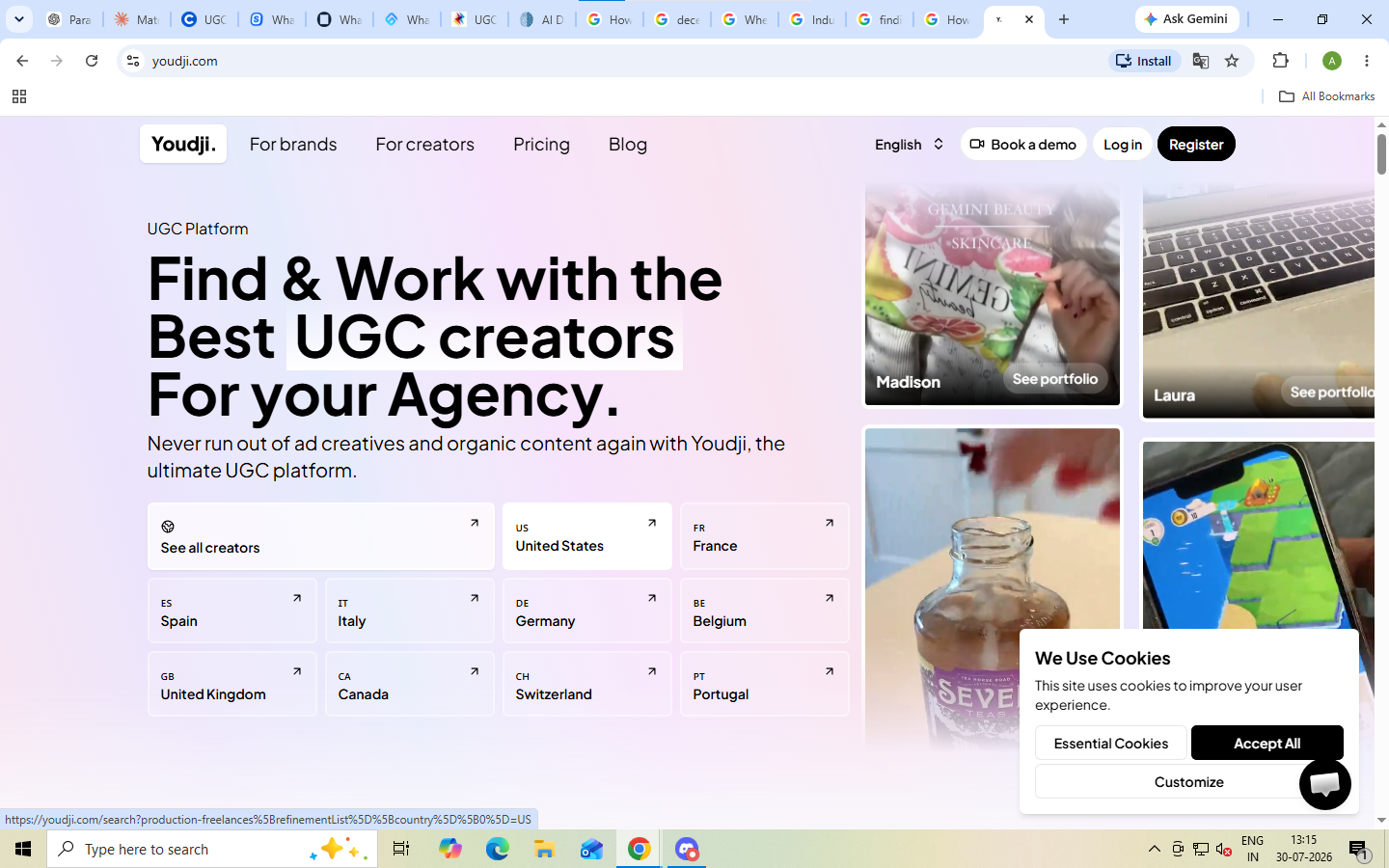
Youdji
This platform makes it easier for creators outside the US to find a job by helping them connect to international brands. It is a newly launched tool that connects creators with brands.
Here’s How the website looks like
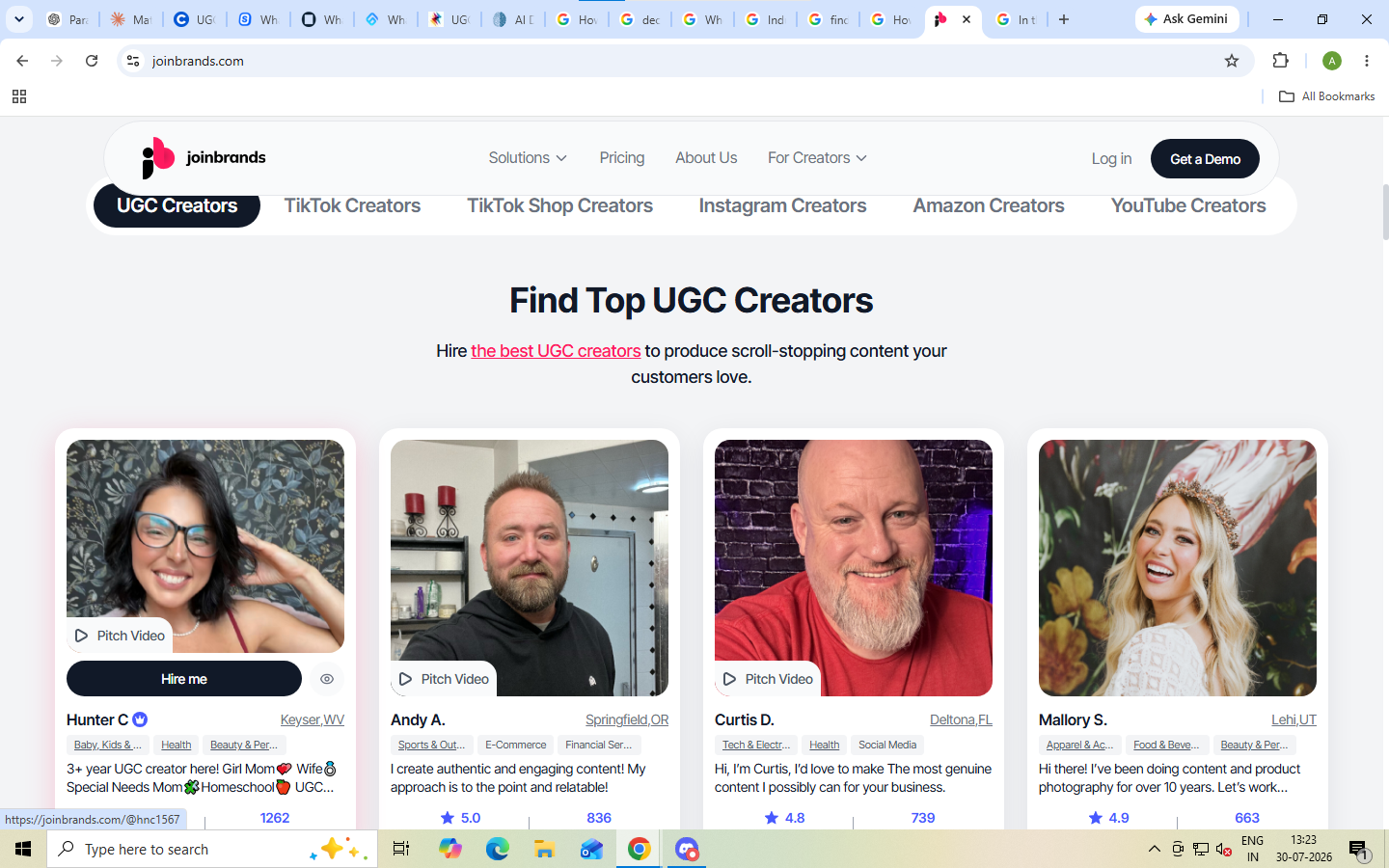
Join Brands
In this platform, brands post assignments and creators apply for them. Deadlines, payment, and requirements everything is shown, so there will be no confusion.
Here’s How the website looks like
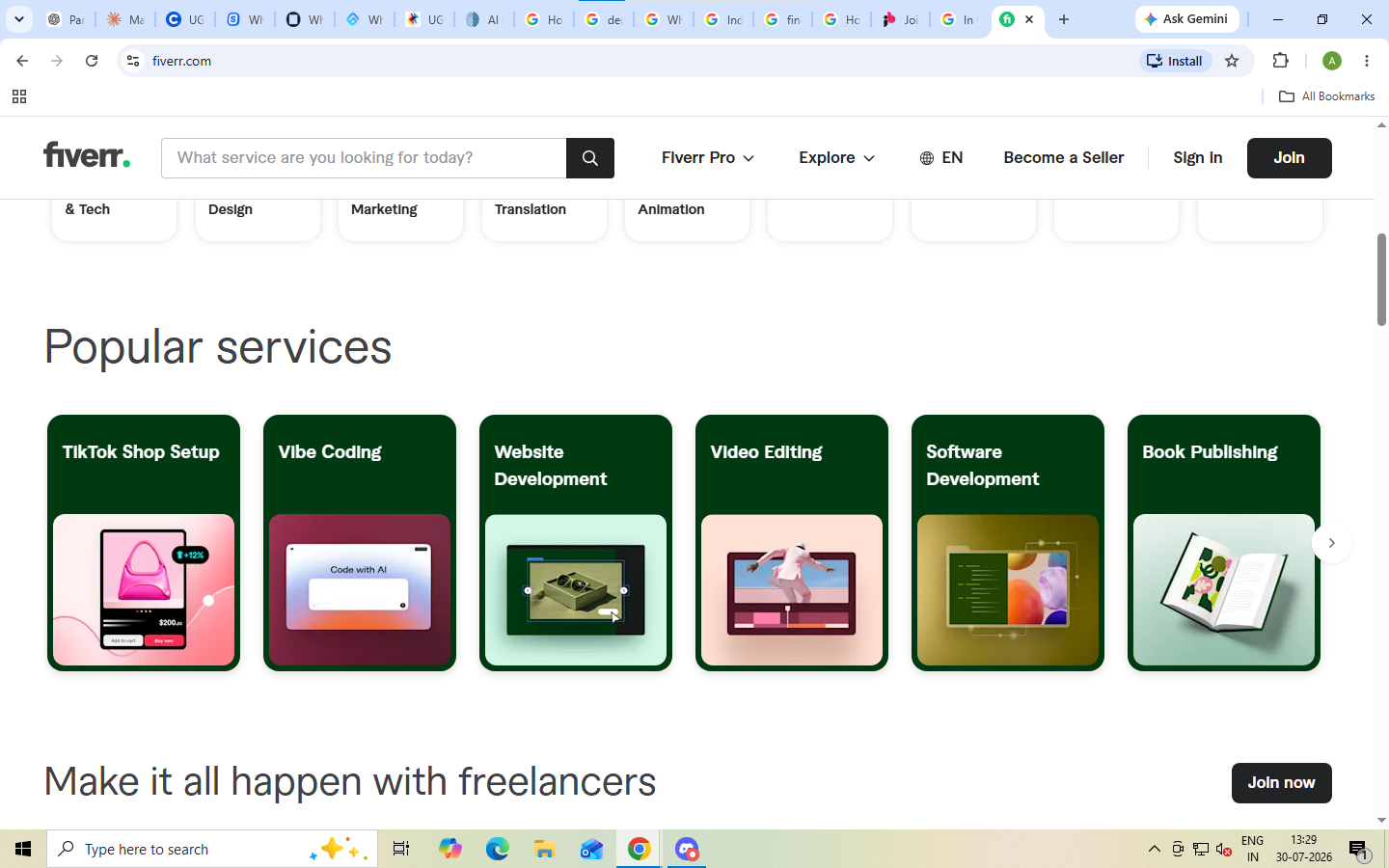
Fiverr UGC Creator
This platform is not dedicated only to UGC creators, but many brands still post UGC-related jobs here. You'll find them listed under categories like "TikTok video creation" or "Instagram UGC.
Here’s How the website looks like
A brand opts for UGC creators to promote their brand because the content looks like a friend is recommending a product, someone we know. That is why it is relatable to the audience, and they tend to connect with the product. It is like if my friend is using it, then I may also get the same results as them. There is no celebrity involved, so people trust a product more if someone like them is using it. Eventually, people will be tempted to purchase the products.
For a company to hire a UGC creator costs less than hiring an influencer. Per video, a company pays $100 to $250 to the creator, which is way cheaper than an influencer or a celebrity getting paid.
A company always has a variety of content by working with user generated content creators. They have content on unboxing videos, testimonials, and style, with different hooks. They can test the content on different social media platforms. This means a company’s internal marketing team doesn’t have to take the workload all by themselves on creating content, as UGC creators come along.
What UGC creators do here is create content around unboxing a product, apply it in front of the camera, shoot a GRWM (Get Ready With Me) video including the product in their daily routine, and show before-and-after results.
The common types of videos that creators make in this category are trying the product, talking about the style matching the current generation vibe, hauls, fittings, and why the clothes are best for the ongoing season.
Here, the creator screen-records how an app can be used after installation. Moreover, there are videos on the features of a product, how it can be used every day, whether it is portable or not, and mainly how the product solves a real-life problem.
Here, the content is formed around the journey of people, such as before and after transformation, taking a supplement, including workout videos, and everyday vlogs about staying healthy.
Creators screen-record their phone screens to show how to navigate the learning app. Then there are stories of real learners who share how the platform helped them pass an exam and which subscription they chose. Ads are also made in regional languages to better connect with learners, mainly in tier-2 and tier-3 cities.
The amount of money that you will earn is never going to be stable. The earnings may differ by a big margin from month to month. It takes consistent effort to reach out to brands until you become a creator with stable pay. When you are starting, it is going to be difficult and unpredictable.
You have to constantly reach out to brands on your own (cold pitching). In this process, it is obvious that you might get ignored several times or you might be turned down. So, one needs to be mentally prepared for all these.
Some brands ask creators to change the content again and again. It is important to set clear boundaries and have a solid contract so that a brand doesn’t drag you into doing extra work or even cancel your payment.
Being a UGC creator doesn’t come with benefits like a paid vacation, health insurance, or retirement savings, so you have to continuously work so that your income doesn't stop.
This job can be draining at times because you will be alone filming content in your room. You might miss out on working with a team, as everyone does in a regular job.
Evolving Industry Expectations
Brands nowadays want a variety of videos with different hooks, so that they know which one works. Also, brands add links in the videos, so viewers can directly go to the website or app to buy products. This helps in sales directly. Therefore, a UGC creator must understand the conversion rates, how content strategy works, and how to read performance data.
The Impact of AI and Niche Markets
AI can write scripts within a fraction of a second, edit versions, and also translate content into different languages. However, the authenticity of human work will be missed. So, people may feel disconnected. Brands are still preferring UGC creators on a larger level as they are outperforming celebs, and influencers in being real and relatable.
Short-Form Videos Will Continue to Grow
Since short-form content has come into the market, they are grabbing attention. An average person has a habit of scrolling on an everyday basis. So, a UGC creator can leverage this opportunity to showcase their content.
To become a UGC creator in today’s world, you need the right skills, equipment, and strategy to succeed. A strong portfolio, constantly pitching to brands, and focusing on mastering a social media platform will take you forward. However, you might face fatigue from constantly pitching your ideas to brands. Not to lose hope, you should keep trying.
1. How do UGC creators make money?
UGC creators need to pitch their ideas to brands. Then the brand sets its payment; they have to agree with it. Expect to earn $50 to $150 per video if you have just started.
2. Do I have to show my face as a UGC creator?
Not showing your face is not necessary. However faceless videos can limit you from getting certain paid-ad deals. No face means you can make content on hands-only videos, voiceovers, and aesthetics clips (B-roll).
3. Is being a UGC creator hard?
Indeed, it is hard as you have to constantly reach out to brands on your own (cold pitching). In this process, it is obvious that you might get ignored several times or you might be turned down. So, one needs to be mentally prepared for all these.
4. What brands hire UGC creators?
Lots of well-known brands and specialized marketplaces are actively looking to hire UGC creators. You'll find the most opportunities on platforms like JoinBrands, Collabstr, and Billo.
5. Can you become a UGC creator without followers?
Yes, it is possible to become a UGC creator with zero followers. It is your creativity in making videos or editing photos gets paid rather than your existence on social media.
6. Which UGC platform is best?
The best UGC platform depends on what is required. Incense, Billio, Collabstr are some of the top choices.

Fri, 02 October 2026
Wed, 30 September 2026

Tue, 29 September 2026
Thu, 24 September 2026

Tue, 22 September 2026

Tue, 22 September 2026

Thu, 17 September 2026

Wed, 16 September 2026

Wed, 16 September 2026

Tue, 15 September 2026


© 2026 Sprintzeal Americas Inc. - All Rights Reserved.

 USA : +1315-322-7821
 UK : +44 7700 174870
 IND : +919036108287
 AUS : +61 480 005 455