How Split PDFs Improve Document Management in Professional Workflows?
Mon, 17 August 2026
Inspirational journeys
Follow the stories of academics and their research expeditions
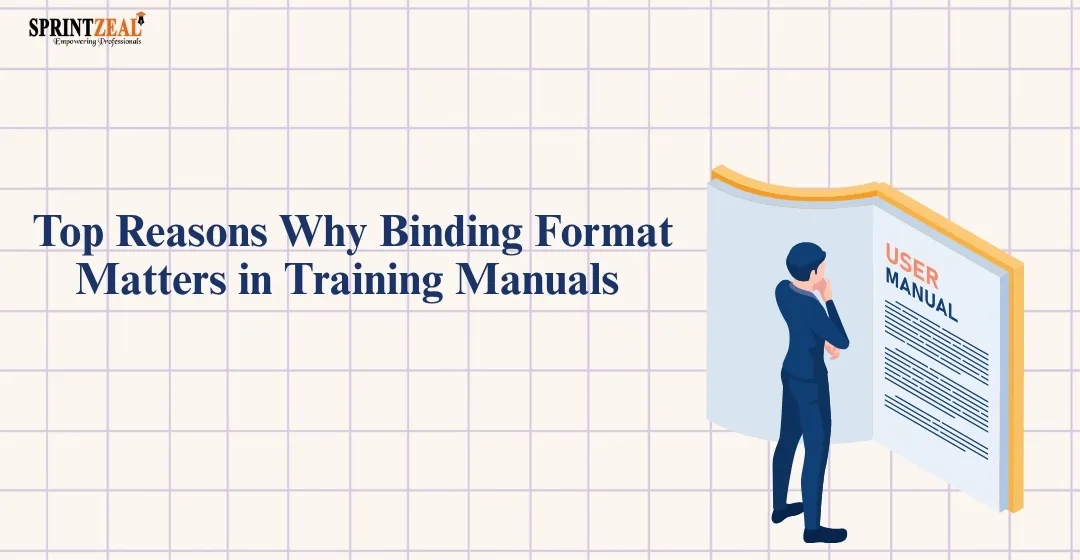
When choosing books for corporate training and technical instructions, most people often focus on the content rather than the binding format. Other than holding sheets together, the binding method directly impacts the learner’s experience and durability. Selecting the right binding style is not merely an aesthetic choice. It is a functional decision with a long-term influence on learning effectiveness. The following are key reasons why the binding format matters in training manuals.
The main purpose of the training guide is to deliver information easily and clearly. That means the materials should be easy to handle and allow learners to interact with the pages without strain. The binding method can significantly streamline this experience, allowing students to navigate quickly between sections. For example, spiral binding enables materials to lie flat or turn 360 degrees. This is important in training institutions where trainees need to follow instructions without having to hold the book open.
Training manuals often face frequent handling, which can cause wear and tear. Thus, the binding format determines how long the book will withstand pressure. Choosing the right method ensures the materials can endure rough handling without losing their integrity over time. Formats such as wire-o binding allow trainees to update or insert new pages without replacing the entire manual.
Modern training programs are normally modified to meet the needs of specific student groups. Choosing the right binding format supports this adaptability and flexibility. For example, some training manuals are designed in loose-leaf or binder formats, allowing trainers to update their content in sections. These include 3-ring binders that enable quick addition of new policies and training sections to suit changing learner groups. This versatility saves training institutions money that they could use to produce new materials.
Personalized training is another trend backed by educational research. Today’s instructors use different bindings to segment content by learner roles or competencies. These include folders and tab dividers that enable individualized learning tracks. The approach improves learner engagement and comprehension. Studies also suggest that tailored instructional materials increase student satisfaction and engagement than standardized formats. This is especially possible with spiral binding that allows for cover and page customization.
The binding method determines how many pages a training manual can hold and how well it can perform over time. Some formats can have as many as 300 pages, while others can only hold a few. For instance, saddle stitch binding is perfect for training programs that only require lightweight booklets. The method involves folding pages in half and stapling them along the folding line, allowing the manuals to hold a few pages (below 80).
Learning institutions should consider the bulk and portability of the manuals when determining how many pages to bind. Larger materials need binding styles that support their weight and volume without splitting or warping. Moreover, thicker training manuals may require buildings that strike a balance between content and portability. That means if the format cannot handle the page count, the manuals can be challenging to carry or hold.
Professional presentation and brand image are other important considerations when choosing training books printed with spiral binding vs. wire-o binding. The appearance of the materials affects how seriously trainees and external stakeholders take them. For instance, binding formats like wire-o give training materials a polished, professional appearance. These are particularly essential for executive training programs or client-facing materials where corporate presentation matters. Using uniform formatting guidelines across training materials also enhances the cohesiveness of learning programs.
The physical presentation of learning materials is an integral part of an institution’s branding strategy. Binding methods that utilize branded covers with logos and corporate color schemes reinforce corporate identity. Industries that rely on certified training, such as healthcare and big data, also emphasize the professional appearance and integrity of printed materials. That is because manuals bound professionally are considered more trustworthy, especially during audits or compliance reviews.
The cost of producing training manuals not only depends on the number of copies or the frequency of module changes. The binding method also influences the price per unit, especially when printing in bulk. Styles such as saddle stitching, spiral, and wire-o binding have low to mid-range initial costs. That is because they are suitable for small to moderate-sized manuals. Meanwhile, perfect binding and ring binders have high initial costs due to the high volumes of pages they can hold.
The cost-effectiveness of binding methods also depends on update frequency and manual distribution. Styles that support lightweight and compact materials are more affordable to distribute than bulkier options that may require additional shipping and storage space. When selecting binding methods, learners and institutions should look beyond the upfront printing costs.
Choosing the right binding format goes beyond securing pages together. The decision impacts usability, learning outcomes, and brand perception. Learning institutions and trainees should invest in formats that align with their training objectives and corporate identity. That is true whether they are after the ease of use of spiral binding or the professionalism of the wire-o method.
When choosing books for corporate training and technical instructions, most people often focus on the content rather than the binding format. Other than holding sheets together, the binding method directly impacts the learner’s experience and durability. Selecting the right binding style is not merely an aesthetic choice. It is a functional decision with a long-term influence on learning effectiveness. The following are key reasons why the binding format matters in training manuals.
The main purpose of the training guide is to deliver information easily and clearly. That means the materials should be easy to handle and allow learners to interact with the pages without strain. The binding method can significantly streamline this experience, allowing students to navigate quickly between sections. For example, spiral binding enables materials to lie flat or turn 360 degrees. This is important in training institutions where trainees need to follow instructions without having to hold the book open.
Training manuals often face frequent handling, which can cause wear and tear. Thus, the binding format determines how long the book will withstand pressure. Choosing the right method ensures the materials can endure rough handling without losing their integrity over time. Formats such as wire-o binding allow trainees to update or insert new pages without replacing the entire manual
Modern training programs are normally modified to meet the needs of specific student groups. Choosing the right binding format supports this adaptability and flexibility. For example, some training manuals are designed in loose-leaf or binder formats, allowing trainers to update their content in sections. These include 3-ring binders that enable quick addition of new policies and training sections to suit changing learner groups. This versatility saves training institutions money that they could use to produce new materials.
Personalized training is another trend backed by educational research. Today’s instructors use different bindings to segment content by learner roles or competencies. These include folders and tab dividers that enable individualized learning tracks. The approach improves learner engagement and comprehension. Studies also suggest that tailored instructional materials increase student satisfaction and engagement than standardized formats. This is especially possible with spiral binding that allows for cover and page customization.
The binding method determines how many pages a training manual can hold and how well it can perform over time. Some formats can have as many as 300 pages, while others can only hold a few. For instance, saddle stitch binding is perfect for training programs that only require lightweight booklets. The method involves folding pages in half and stapling them along the folding line, allowing the manuals to hold a few pages (below 80).
Learning institutions should consider the bulk and portability of the manuals when determining how many pages to bind. Larger materials need binding styles that support their weight and volume without splitting or warping. Moreover, thicker training manuals may require buildings that strike a balance between content and portability. That means if the format cannot handle the page count, the manuals can be challenging to carry or hold.
Professional presentation and brand image are other important considerations when choosing training books printed with spiral binding vs. wire-o binding. The appearance of the materials affects how seriously trainees and external stakeholders take them. For instance, binding formats like wire-o give training materials a polished, professional appearance. These are particularly essential for executive training programs or client-facing materials where corporate presentation matters. Using uniform formatting guidelines across training materials also enhances the cohesiveness of learning programs.
The physical presentation of learning materials is an integral part of an institution’s branding strategy. Binding methods that utilize branded covers with logos and corporate color schemes reinforce corporate identity. Industries that rely on certified training, such as healthcare and big data, also emphasize the professional appearance and integrity of printed materials. That is because manuals bound professionally are considered more trustworthy, especially during audits or compliance reviews.
The cost of producing training manuals not only depends on the number of copies or the frequency of module changes. The binding method also influences the price per unit, especially when printing in bulk. Styles such as saddle stitching, spiral, and wire-o binding have low to mid-range initial costs. That is because they are suitable for small to moderate-sized manuals. Meanwhile, perfect binding and ring binders have high initial costs due to the high volumes of pages they can hold.
The cost-effectiveness of binding methods also depends on update frequency and manual distribution. Styles that support lightweight and compact materials are more affordable to distribute than bulkier options that may require additional shipping and storage space. When selecting binding methods, learners and institutions should look beyond the upfront printing costs.
Choosing the right binding format goes beyond securing pages together. The decision impacts usability, learning outcomes, and brand perception. Learning institutions and trainees should invest in formats that align with their training objectives and corporate identity. That is true whether they are after the ease of use of spiral binding or the professionalism of the wire-o method.

Mon, 17 August 2026
Fri, 14 August 2026

Fri, 31 July 2026
Thu, 30 July 2026

Wed, 29 July 2026

Wed, 29 July 2026
Thu, 23 May 2024

Tue, 13 October 2026

Thu, 29 May 2025


© 2026 Sprintzeal Americas Inc. - All Rights Reserved.

 USA : +1315-322-7821
 UK : +44 7700 174870
 IND : +919036108287
 AUS : +61 480 005 455