How Split PDFs Improve Document Management in Professional Workflows?
Mon, 17 August 2026
Inspirational journeys
Follow the stories of academics and their research expeditions
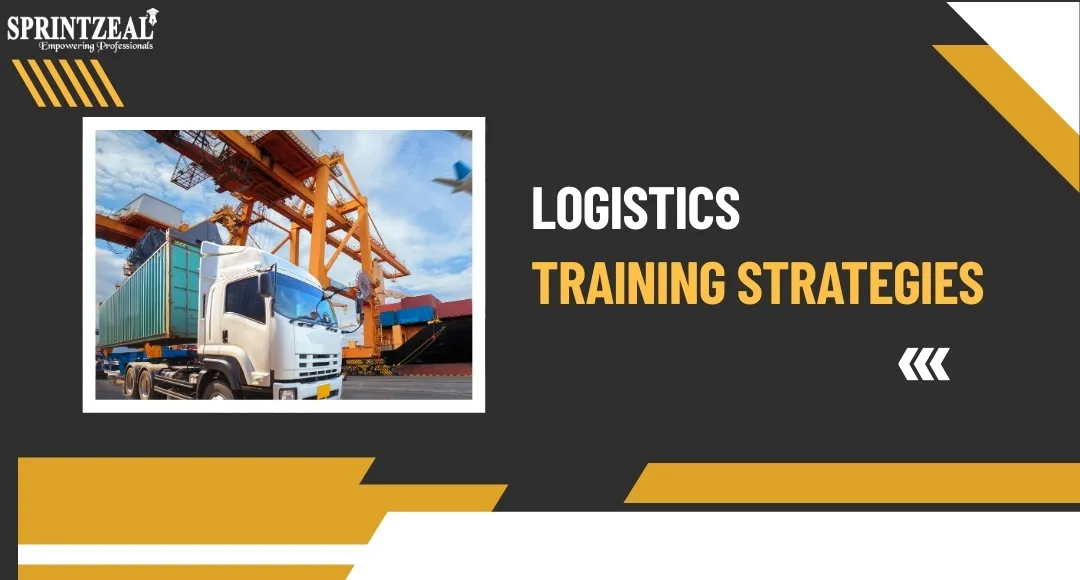
Training is one of the most practical ways for logistics companies to improve their performance. When teams are trained to manage, they understand their roles, use tools properly, and communicate better. Training shapes how logistics teams handle routine work.
Shipping and distribution are handled through 3PL services rather than being in-house. Trained teams can handle deliveries, track shipments, and fix issues before they turn into delays. Strong logistics training also supports the sales aspect of the business as accurate timelines, reliable stock updates, and smooth order makes it easier for the sales team to do their job. When new sales hires need support, working with a sales outsourcing company can help maintain workflow stability.
A strong logistics system depends on how people work together. When teams have regular training sessions, they are able to handle tasks faster. Clients notice when responses are clear and consistent. Over time, that perception influences how customers interact with the business.
Logistics tools change regularly in areas like the warehouse system and routing. Training keeps the team familiar with how those tools are used day to day. Companies that provide training notice fewer delays, better team coordination, and improved client satisfaction. These are all factors that contribute to stronger leads.
Training works effectively when it is able to improve skills for daily work. The value of training shows up during regular work hours, not during sessions themselves.
Shipment updates and delays often become issues when communication slows down. Delayed or unclear updates may create unnecessary back and forth.
Logistic work often passes through several teams before an order is completed. Missed handoffs or unclear ownership can slow things down more than system issues.
There might be scenarios when things go off schedule. Missed pickups, route changes, and damaged packages are possibilities. These situations might need decisions to be made on the spot without having to depend on the supervisors for an answer. Specialized segments raise the stakes, since carriers like A1AutoTransport.com coordinate delivery windows across states.
Logistics teams rely on a range of digital systems for daily operation. Tracking platforms and inventory tools, along with a logistics integration platform, are part of routine tasks, shaping how Information is recorded, checked, and shared across shifts.
Training does not need to be complicated. Consistency and clear focus are important to improve how teams handle real situations.
Regular workshops help employees stay aware of a situation and learn from their new training experiences. Refresher sessions also correct habits that might have unknowingly affected productivity or communication.
Some skills only surface during active work hours. Questions come up mid-task, instead of scheduled training sessions. Most adjustments happen while work is already moving.
Training is more effective when it includes real case studies from previous operations of the organization. Discussing what worked and what went wrong helps teams recognize the problem and patterns and avoid repeating those mistakes.
When logistics staff learn how other departments operate, it becomes easier to align business goals. This cooperation can create smoother communication and better service for clients.
Good training improves efficiency and shapes how potential clients see the business. Client interaction tends to follow patterns. Response speed, accuracy, and consistency usually stand out before anything else.
Small details often shape repeated business. When order changes are handled smoothly, fewer follow-up questions and predictable timelines affect how clients continue working with a logistics team.
Service expectations stabilize when processes stay consistent across teams. When everyone follows the same standards, clients experience fewer errors, which turns satisfied customers into long-term partners.
Training outcomes are not always visible right away. Patterns usually show up over time with the daily operations of different teams and shifts, and client interactions.
Certain operational numbers draw attention during routine reviews. Delivery timing, error rates, response gaps, and rework requests usually surface first when processes start drifting or settling. These signals often change gradually with missed handoffs and delayed updates. These small shifts become easier to spot when teams are working under consistent conditions.
Feedback highlights issues that reports overlook. Client comments, internal notes, and follow-up questions point to the same friction points even when they come from different sources. Internally, teams notice similar patterns. Repeated questions, workarounds, or escalations signal where expectations are unclear or processes are uneven. These signals show up gradually.
Learning usually takes place during normal tasks rather than separate sessions. Teams adjust gradually through small changes in how tasks are handled or decisions are made during active shifts.
Informal knowledge sharing plays a role in continuous improvement. Short conversations between team members, quick walk-throughs, or post-task discussions can sometimes be more valuable than schedule sessions that shape how work is approached over time.
Leadership is visible during ordinary work moments. Small interactions during work often signal expectations more clearly than written guidelines. Over longer periods, work patterns begin to repeat. Teams rely less on escalation and more on sharing understanding, which affects how consistently work is carried out in different situations.
Training might not always fit into daily logistics work. Tight schedules, shifting priorities, and ongoing workloads can keep learning efforts aside. Changes to systems or processes can introduce hesitation during transactions.
In practice, adjustments happen in small increments. Learning is shaped through existing schedules rather than being planned far in advance. Momentum builds unevenly, depending on workload and timing. Recognizing employee efforts can also help to maintain motivation. When training feels practical and rewarding, teams are more open to learning and applying new methods they learned from training in their work.
Training a logistics team can help improve performance and increase leads. Skilled employees are able to perform better because they can handle operations more effectively, communicate better, and build trust with clients. These improvements make stronger relationships among businesses.
Training shows its value when teams encounter unfamiliar tools or process changes during routine work. It turns learning into a habit that supports long-term growth and stability of the company. Companies that invest in training find that every department benefits and creates smoother work coordination and better client satisfaction.

Mon, 17 August 2026
Fri, 14 August 2026

Fri, 31 July 2026
Thu, 30 July 2026

Wed, 29 July 2026

Wed, 29 July 2026
Thu, 23 May 2024

Tue, 04 March 2025

Thu, 29 May 2025


© 2026 Sprintzeal Americas Inc. - All Rights Reserved.


 USA : +1315-322-7821
 UK : +44 7700 174870
 IND : +919036108287
 AUS : +61 480 005 455