Inspirational journeys
Follow the stories of academics and their research expeditions
Practical Approaches to Building Resilience Against Cyber Threats

The importance of cyber resilience in the current digital era cannot be emphasized. Organizations need to implement efficient ways to reduce the risks associated with cyber threats and guarantee their long-term security as these attacks grow in frequency and sophistication. This article explores doable strategies for enhancing cyber threat resilience and highlights the vital actions that businesses can take to safeguard themselves in this dynamic environment.
The ability of an organization to consistently achieve the desired result in the face of unfavorable cyber occurrences is known as cyber resilience. It includes the capacity to anticipate, address, and recover from cyber incidents, guaranteeing the continuation of essential operations and reducing the effects of such occurrences.
Table of Contents
- Cybersecurity vs. Cyber Resilience
- Assessing Cyber Threats and Vulnerabilities
- Importance of International Standards
- Leveraging Technology for Enhanced Cyber Resilience
- The Role of Leadership in Cyber Resilience
- Conclusion
Cybersecurity vs. Cyber Resilience
Cyber resilience extends beyond cybersecurity by guaranteeing that the business can continue to run critical activities even in the event that defenses are breached. Cybersecurity is primarily concerned with defending systems, networks, and data against cyberattacks. Cyber resilience is essentially about persevering and growing in the face of cyber challenges.
Assessing Cyber Threats and Vulnerabilities
Identifying and assessing potential cyber threats is foundational to building cyber resilience. Organizations need to understand their risk landscape to implement effective defenses.
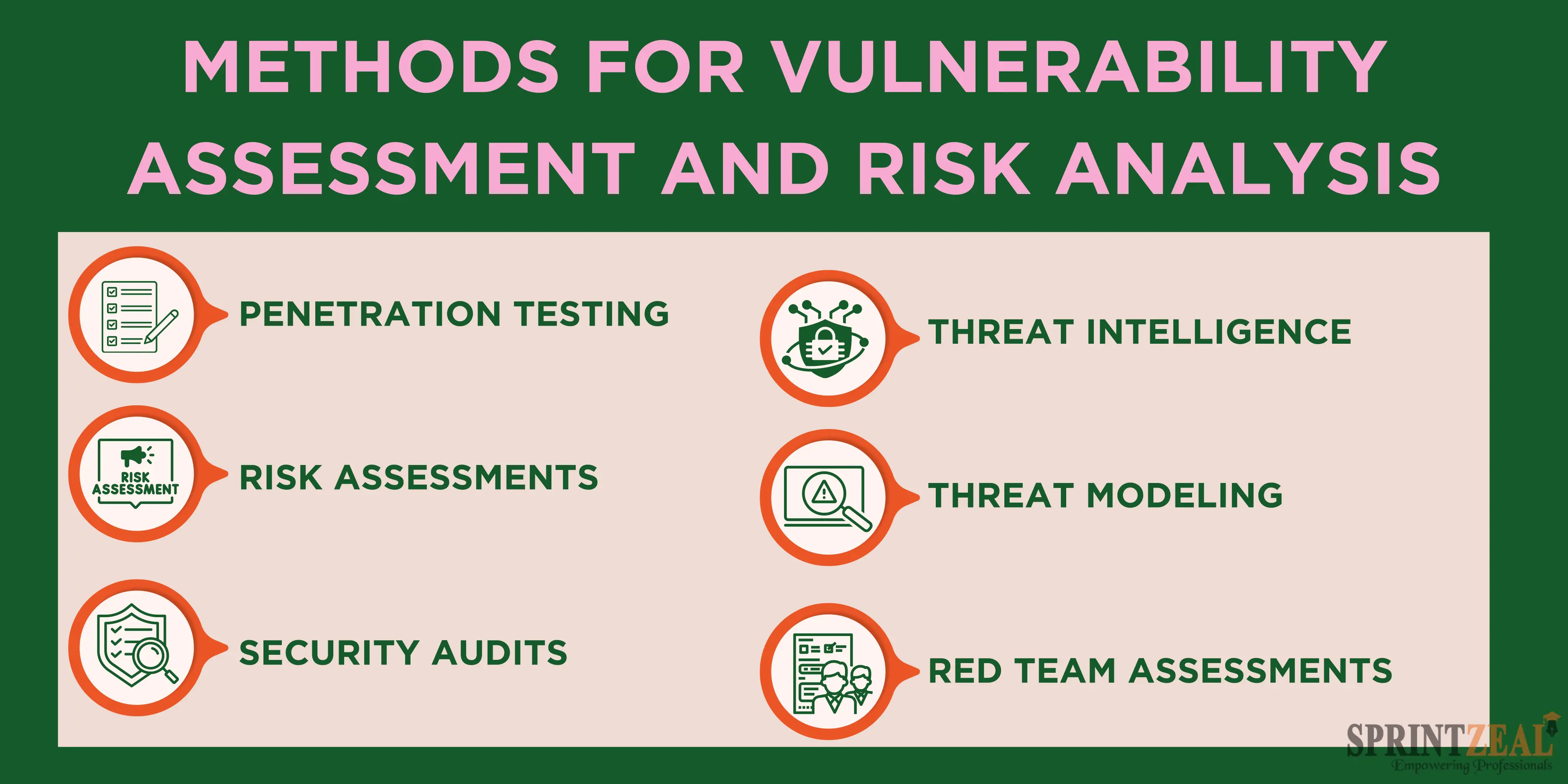
Methods for Vulnerability Assessment and Risk Analysis
- Penetration Testing: Simulating cyber attacks to identify weaknesses.
- Threat Intelligence: Gathering information on potential and emerging threats.
- Risk Assessments: Evaluating the likelihood and impact of various threats on the organization.
Continuous Monitoring
Continuous monitoring is crucial for real-time threat detection. By constantly surveilling network activity, organizations can quickly identify and respond to suspicious behaviors, minimizing potential damage.
Developing a Robust Cybersecurity Framework
A comprehensive cybersecurity framework is essential for effective risk management and building cyber resilience.
Essential Elements of a Cybersecurity Framework
- Policies and Procedures: Establish clear guidelines for managing cyber risks, including the integration of sbom cybersecurity practices to ensure visibility into software components.
- Access Controls: Implement strict controls to manage who can access critical systems and data, including deploying a PAM solution to enforce least privilege access and reduce insider threats.
- Incident Management: Develop processes for detecting, responding to, and recovering from cyber incidents.
Importance of International Standards
Adhering to international standards such as ISO/IEC 27001 helps organizations establish a robust cybersecurity framework. These standards provide best practices for managing information security and ensuring regulatory compliance.
Implementing Best Practices for Cyber Resilience
- Employee Training and Awareness
Employees are often the first line of defense against cyber threats. Effective training programs are essential to educate staff on recognizing and preventing cyber incidents.
- Regular Training: Conduct ongoing training sessions to keep employees informed about the latest threats.
- Phishing Simulations: Use simulations to test and reinforce training.
- Security Culture: Foster a culture where security is prioritized and employees feel responsible for maintaining it.
- Advanced Threat Detection and Response
Proactive threat detection and response are key to minimizing the impact of cyber attacks.
- AI and Machine Learning: Utilize these technologies to detect anomalies and potential threats in real-time.
- Incident Response Plans: Develop and regularly update incident response plans to ensure quick and effective action.
- Regular Security Audits and Assessments
Routine audits and assessments help identify vulnerabilities and ensure compliance with security policies.
- Internal Audits: Conduct regular internal reviews of security practices.
- Third-Party Audits: Engage external experts to validate the effectiveness of your security measures.
- Incident Response Planning and Management
An effective incident response plan is critical for managing and recovering from cyber incidents.
- Response Teams: Establish dedicated teams to handle different aspects of incident management.
- Simulation Exercises: Regularly conduct drills to ensure the team is prepared for real-world scenarios.
- Post-Incident Review: Analyze incidents after they occur to improve future response efforts.
Leveraging Technology for Enhanced Cyber Resilience
Cutting-edge technologies play a pivotal role in bolstering cyber resilience.
Security Information and Event Management (SIEM) Systems
SIEM systems help organizations collect and analyze security data in real-time, providing valuable insights into potential threats and facilitating swift response.
Cloud Security Solutions
Cloud-based security solutions offer scalable protection and allow for centralized management of security policies across diverse environments.
Endpoint Protection
Implementing robust endpoint protection measures ensures that all devices connected to the network are secure, reducing the risk of breaches.
The Role of Leadership in Cyber Resilience
Leadership is vital in fostering a culture of cyber resilience within an organization.
Executive Support
Executives must prioritize cybersecurity initiatives and allocate the necessary resources to support these efforts.
Board Oversight
The board of directors should provide oversight and ensure that cyber risk management is integrated into the organization’s overall risk management strategy.
Suggested Reads:
- Proactive Risk Management in Information Security
- Proactive Strategies for Mitigating Information Security Risks
- ISO/IEC 27005 Principles for Strategic Risk Management Decision Making
- Leading Risk Governance Practices for Organizations to Mitigate Threats
Conclusion
In the modern digital world, strengthening defenses against cyberattacks is crucial. Organizations can improve their resilience against and ability to recover from cyber events by implementing practical strategies include creating a strong cybersecurity framework, utilizing cutting-edge technologies, and cultivating a security-aware culture. In order to maintain long-term security and resilience, think about these tactics and how your company might use them.
At Sprintzeal, we are committed to empowering professionals with the knowledge and skills needed to excel in information security and other major industry-effective domains like project management, quality management, business management, and more.
Our newsletter is free! Subscribe and stay updated with the latest insights and get early access to exclusive training discounts!

Categories
Related Posts
Ways to Make the Most of a Free Trial Before Paying for a VPN
Mon, 29 June 2026
Top BYOD Security Risks Every Business Should Know
Wed, 29 April 2026

IBM Data Breach: Is IBM Really Breach-Proof?
Tue, 03 December 2024

What Is Secure Access Service Edge (SASE)?
Tue, 15 October 2024

How to Stay Cyber-Secure in Work and Personal Life (Tips and Practices)
Wed, 23 October 2024

Target Cyber Attack: Key Lessons from the 2013 Data Breach
Mon, 09 December 2024

LinkedIn User Data Protection Explained
Tue, 10 December 2024

What Innovative Measures Did Reddit Take to Protect User Data?
Wed, 18 December 2024



 USA : +1315-322-7821
 UK : +44 7700 174870
 IND : +919036108287
 AUS : +61 480 005 455