What Is Gamification in Education?
Wed, 07 October 2026

Inspirational journeys
Follow the stories of academics and their research expeditions
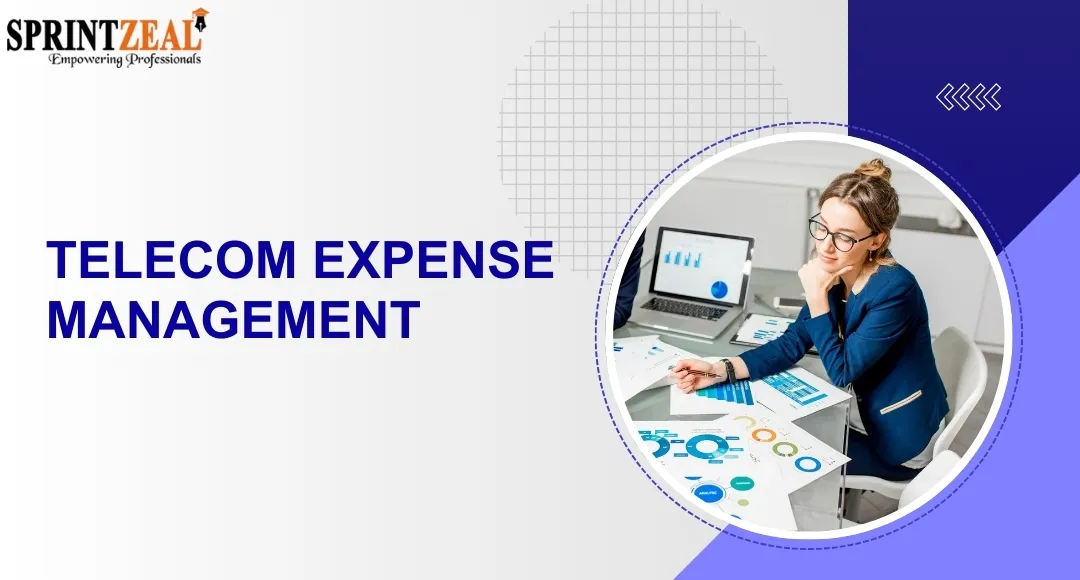
Controlling telecom expenses across an enterprise requires visibility into carrier invoices, service inventory, contract terms, and usage patterns. Telecom expense management platforms, a core category of telecom enterprise software solutions, have automated much of this process.
However, the choice between platforms often comes down to competing priorities. A mid-market company with 50 services faces different needs than an enterprise managing thousands of circuits globally. Platforms focused solely on invoice auditing might work for organizations with strong procurement processes, while those same limitations leave money on the table for companies struggling with vendor negotiations and contract renewals.
Pricing models matter too. Percentage-of-spend fees create problematic incentives where vendors benefit from higher telecom costs rather than helping reduce them. Some organizations discover too late that their chosen platform requires ServiceNow licensing, adding unexpected costs. Others implement feature-rich solutions only to find that maintaining data accuracy demands significant manual work, negating the benefits of automation.
This guide examines seven telecom expense management solutions, highlighting what each platform does well and where it falls short, so you can match capabilities to your actual operational needs.
When evaluating TEM platforms, focus on capabilities that address your organization's specific pain points:
Procurement Support:
Automated RFP processes and vendor comparison tools help negotiate better rates before contracts are signed
Inventory Management:
Centralized tracking of circuit details, contract terms, and renewal dates prevents services from auto-renewing at increased rates
Invoice Auditing:
Automated processing identifies billing errors, validates charges against contracted rates, and manages dispute resolution
Cost Allocation:
Granular expense distribution across departments, locations, or cost centers provides spending visibility
Usage Monitoring:
Tracking voice, data, and wireless consumption identifies optimization opportunities and policy compliance issues
Bill Consolidation:
Single payment workflows across multiple carriers reduce administrative overhead for finance teams
Pricing Model:
Service-count pricing versus percentage-of-spend determines whether vendor incentives align with your cost reduction goals
Most TEM solutions focus exclusively on the back end of telecom management—processing invoices after services are already installed. Lightyear approaches the problem differently by connecting procurement, inventory tracking, and expense management in a unified platform.
Procurement system digitizes vendor comparisons across 1,200+ carriers, cutting RFP timelines significantly while surfacing competitive pricing
Implementation tracking with automated escalation alerts when installations fall behind schedule
Network Inventory Manager maintains detailed records for each service including circuit IDs, static IP addresses, contract terms, and carrier contacts
Automated renewal notifications prevent services from auto-renewing at higher rates
Systematic competitive rebidding rather than reactive contract management
AI-native invoice processing audits every charge, flags variances, and allocates costs by service, location, or internal coding structure
Bill consolidation lets finance teams manage payments through a single interface instead of tracking dozens of carrier billing cycles
Voice and wireless usage monitoring requires integration with partner solutions rather than being native to the platform
Organizations with complex mobile device management needs may need to layer on additional tools
Lightyear uses service-count pricing instead of percentage-of-spend models. Procurement tools are free to use. Network Inventory Manager and Bill Consolidation pricing scales with the number of services managed, making it accessible for mid-market companies that get priced out of enterprise-only TEM vendors.
Organizations that want to optimize telecom costs across the full lifecycle—from vendor selection through ongoing expense management. The AI-native platform is particularly strong for companies frustrated with auto-renewing contracts or those lacking centralized visibility into their circuit inventory.
Brightfin integrates directly into ServiceNow environments, positioning TEM as part of a broader IT service management workflow. Rather than operating as a standalone system, it embeds expense tracking and mobile device management within existing ITSM processes.
Direct ServiceNow integration embeds TEM within existing ITSM processes
Synchronizes with unified endpoint management systems to match mobile device data against carrier invoices
Catches discrepancies between provisioned services and billed charges
Usage monitoring triggers automated alerts when thresholds are crossed
Customizable workflows handle provisioning requests without manual intervention
Bill consolidation brings multiple carrier invoices into a single payment process
Cost allocation tools distribute charges across departments based on configurable business rules
Proactive account management team identifies savings opportunities beyond invoice auditing
Reporting delays since invoice changes often take multiple billing cycles to appear in the system
ServiceNow dependency creates cost barriers for companies not already invested in that platform
Data accuracy requires ongoing manual validation despite automation features
Not publicly disclosed.
Enterprises already running ServiceNow for IT service management who want TEM functionality integrated into existing workflows. Works well for organizations prioritizing process consistency over best-of-breed tools.
Sakon targets large multinational organizations with customizable dashboards and workflow automation for service provisioning and change management. The platform emphasizes flexibility, letting IT teams configure the system to match their internal processes.
Invoice automation handles processing across multiple currencies and formats
Detailed service inventory records track telecom assets globally
Cost allocation capabilities distribute expenses by department, location, or cost center with granular control
ServiceNow integration allows telecom expense management without leaving primary IT workflow environment
Customizable reporting adapts to different stakeholder needs, from executive summaries to detailed line-item analysis
Wireless and voice usage monitoring provides visibility into consumption patterns
Workflow automations support ordering, provisioning, and change management
Customizable dashboards tailored to large, multinational organizations
No automated RFP process, making it less useful for procurement
Doesn't support automated contract renewals or rebids, which may lead to service gaps
Significant manual lift required to audit and maintain data accuracy, including manual validation and entry
Not publicly disclosed.
Large multinational organizations with complex reporting requirements and the internal resources to handle ongoing data management. Best suited for companies that already have procurement processes in place and need specialized expense tracking rather than end-to-end telecom lifecycle management.
Tangoe's technology expense management platform extends beyond telecom to include mobile and cloud services, creating a unified view of technology spending across categories. The system emphasizes compliance verification and multi-currency support for global deployments.
Invoice processing automation reduces manual workload while auditing every charge for accuracy
Dispute management tools track resolution from identification through to credit application
Detailed analytics reveal spending patterns and benchmark rates against industry standards
Multi-currency processing and integration with enterprise planning systems for seamless financial reporting
Contract monitoring tracks renewal dates and terms across hundreds of vendors
Centralizes information typically scattered across emails and spreadsheets
Voice and wireless usage tracking provides consumption visibility
Cost allocation distributes charges across business units based on actual usage or fixed allocation rules
Compliance verification and support for global deployments
Limited portal customization options, making navigation more complex than necessary
Legacy architecture requires substantial manual data entry during implementation (some customers report spending multiple weeks uploading historical invoice data)
Significant manual lift required for ongoing data maintenance and validation
No automated RFP process or vendor comparison functionality
Not publicly disclosed.
Global enterprises that need strong multi-currency support and compliance tracking capabilities. Best fit for organizations with dedicated telecom management teams that can handle the implementation lift and ongoing data maintenance requirements.
Calero combines telecom, mobile, communications, and software expense management into a single platform. The system creates detailed expense views across technology categories, letting organizations see total IT spending patterns rather than managing telecom in isolation.
Automated invoice reconciliation with dispute resolution workflows tracking issues from identification through credit recovery
Granular analytics and reporting support compliance requirements with detailed audit trails
Expense breakdowns available by department, service type, or time period
Cost allocation capabilities distribute charges across business units
Mobile device management includes usage monitoring and wireless expense tracking
Bill consolidation simplifies payment processes through unified interface
Unified platform managing telecom, mobile, communications, and software expenses
Confusing data presentation makes it harder to spot trends or extract actionable insights from reports
Customer support accessibility is inconsistent, with some users reporting difficulty getting timely help
No procurement assistance (no automated RFPs or competitive rebidding tools)
Data accuracy depends heavily on manual validation and entry processes
Not publicly disclosed.
Organizations managing multiple technology expense categories beyond just telecom, and companies that want unified visibility across mobile, communications, and software spending. Works for enterprises with finance teams focused on compliance and detailed audit trails.
Tellenium's Management of Things platform positions telecom expense management alongside utilities and other recurring enterprise costs. This broader approach creates visibility into multiple expense categories through a single system, though the telecom functionality remains robust.
Service and asset inventory management maintains detailed records across telecom footprint
Invoice auditing systematically examines bills for discrepancies
Dispute management tools handle resolution process when billing errors surface
Spending pattern analysis and rate benchmarking identify cost optimization opportunities
Bill consolidation brings multiple vendor invoices into one payment workflow
Voice and wireless usage monitoring tracks consumption and is often supported by mobile device management solutions for small businesses that help monitor and secure company devices
Cost allocation distributes expenses across departments or cost centers based on configurable rules
Dedicated account teams provide personalized customer service and strategic guidance
Management of Things (MoT) platform includes utilities and recurring enterprise expenses alongside telecom
Limited reporting customization makes data analysis more difficult than it should be
Some users report that invoice discrepancies occasionally slip through the auditing process
Manual data validation and entry requirements create ongoing administrative work
No procurement automation (no RFP tools or contract rebidding capabilities)
Not publicly disclosed.
Organizations looking to manage multiple recurring expense categories (telecom, utilities, facilities costs) through one platform. Best suited for companies that value dedicated account management and personalized service delivery.
Asignet leverages robotic process automation and advanced invoice parsing to handle telecom and IT expense management. The platform recently expanded significantly by acquiring Cass Information Systems' TEM business in April 2025, adding deep industry expertise to its automation-focused approach.
Invoice parser handles documents in multiple formats and languages using proprietary automation powered by thousands of parsing algorithms
Hyper-automation approach reduces manual processing requirements across the expense management lifecycle
Contract monitoring and spending pattern analysis identify optimization opportunities systematically
Low-code customization capabilities adapt the platform to unique business requirements and integrate with existing software systems
Bill consolidation unifies payments across carriers
Voice and wireless usage monitoring tracks consumption
Cost allocation tools distribute expenses by department or business unit
Manages over $8 billion in IT spending globally for 150+ enterprise clients
Recent acquisition of Cass Information Systems' TEM business adds managed service capabilities, financial stability backed by a Federal Reserve member bank, and global reach for international service support
Less emphasis on year-over-year cost reduction metrics compared to competitors focused on procurement savings
Contract renewal reminders provided, but fully automated rebidding isn't available, which could create gaps during renewals
Data accuracy still requires manual validation despite extensive automation
Not publicly disclosed.
Enterprises with complex invoice processing needs across multiple formats, languages, or global regions. Strong fit for organizations requiring low-code customization to match unique business processes, and companies that value the stability of the recent Cass expertise addition.
The best telecom expense management platform depends on where your biggest pain points exist. If you're struggling with procurement and want to optimize costs from the moment you select vendors, platforms with integrated RFP tools will deliver the most value. Organizations primarily focused on invoice accuracy and mobile device management should prioritize platforms with strong auditing capabilities and usage monitoring.
Consider implementation requirements and ongoing administrative overhead as well. Some platforms require significant upfront data migration and continuous manual validation, while others automate more of the process through modern architecture and AI-driven tools.
Your company's size matters too. Mid-market organizations may find enterprise-only pricing models prohibitive, making service-count pricing or transparent tier structures more accessible. Global companies need multi-currency support and international compliance capabilities that not all platforms provide.
The right choice aligns the platform's strengths with your organization's specific challenges, available resources, and growth trajectory.
When evaluating TEM platforms, focus on capabilities that address your organization's specific pain points:
Most TEM solutions focus exclusively on the back end of telecom management—processing invoices after services are already installed. Lightyear approaches the problem differently by connecting procurement, inventory tracking, and expense management in a unified platform.
Lightyear uses service-count pricing instead of percentage-of-spend models. Procurement tools are free to use. Network Inventory Manager and Bill Consolidation pricing scales with the number of services managed, making it accessible for mid-market companies that get priced out of enterprise-only TEM vendors.
Organizations that want to optimize telecom costs across the full lifecycle—from vendor selection through ongoing expense management. The AI-native platform is particularly strong for companies frustrated with auto-renewing contracts or those lacking centralized visibility into their circuit inventory.
Brightfin integrates directly into ServiceNow environments, positioning TEM as part of a broader IT service management workflow. Rather than operating as a standalone system, it embeds expense tracking and mobile device management within existing ITSM processes.
Not publicly disclosed.
Enterprises already running ServiceNow for IT service management who want TEM functionality integrated into existing workflows. Works well for organizations prioritizing process consistency over best-of-breed tools.
Sakon targets large multinational organizations with customizable dashboards and workflow automation for service provisioning and change management. The platform emphasizes flexibility, letting IT teams configure the system to match their internal processes.
Not publicly disclosed.
Large multinational organizations with complex reporting requirements and the internal resources to handle ongoing data management. Best suited for companies that already have procurement processes in place and need specialized expense tracking rather than end-to-end telecom lifecycle management.
Tangoe's technology expense management platform extends beyond telecom to include mobile and cloud services, creating a unified view of technology spending across categories. The system emphasizes compliance verification and multi-currency support for global deployments.
Not publicly disclosed.
Global enterprises that need strong multi-currency support and compliance tracking capabilities. Best fit for organizations with dedicated telecom management teams that can handle the implementation lift and ongoing data maintenance requirements.
Calero combines telecom, mobile, communications, and software expense management into a single platform. The system creates detailed expense views across technology categories, letting organizations see total IT spending patterns rather than managing telecom in isolation.
Not publicly disclosed.
Organizations managing multiple technology expense categories beyond just telecom, and companies that want unified visibility across mobile, communications, and software spending. Works for enterprises with finance teams focused on compliance and detailed audit trails.
Tellenium's Management of Things platform positions telecom expense management alongside utilities and other recurring enterprise costs. This broader approach creates visibility into multiple expense categories through a single system, though the telecom functionality remains robust.
Not publicly disclosed.
Organizations looking to manage multiple recurring expense categories (telecom, utilities, facilities costs) through one platform. Best suited for companies that value dedicated account management and personalized service delivery.
Asignet leverages robotic process automation and advanced invoice parsing to handle telecom and IT expense management. The platform recently expanded significantly by acquiring Cass Information Systems' TEM business in April 2025, adding deep industry expertise to its automation-focused approach.
Not publicly disclosed.
Enterprises with complex invoice processing needs across multiple formats, languages, or global regions. Strong fit for organizations requiring low-code customization to match unique business processes, and companies that value the stability of the recent Cass expertise addition.
The best telecom expense management platform depends on where your biggest pain points exist. If you're struggling with procurement and want to optimize costs from the moment you select vendors, platforms with integrated RFP tools will deliver the most value. Organizations primarily focused on invoice accuracy and mobile device management should prioritize platforms with strong auditing capabilities and usage monitoring.
Consider implementation requirements and ongoing administrative overhead as well. Some platforms require significant upfront data migration and continuous manual validation, while others automate more of the process through modern architecture and AI-driven tools.
Your company's size matters too. Mid-market organizations may find enterprise-only pricing models prohibitive, making service-count pricing or transparent tier structures more accessible. Global companies need multi-currency support and international compliance capabilities that not all platforms provide.
The right choice aligns the platform's strengths with your organization's specific challenges, available resources, and growth trajectory.

Wed, 07 October 2026
Fri, 02 October 2026
Wed, 30 September 2026

Tue, 29 September 2026

Fri, 25 September 2026

Tue, 22 September 2026

Tue, 22 September 2026

Thu, 17 September 2026

Wed, 16 September 2026

Wed, 16 September 2026

© 2026 Sprintzeal Americas Inc. - All Rights Reserved.

 USA : +1315-322-7821
 UK : +44 7700 174870
 IND : +919036108287
 AUS : +61 480 005 455