The Best No-Code AI App Builders for Businesses in 2026
Fri, 18 September 2026
Inspirational journeys
Follow the stories of academics and their research expeditions
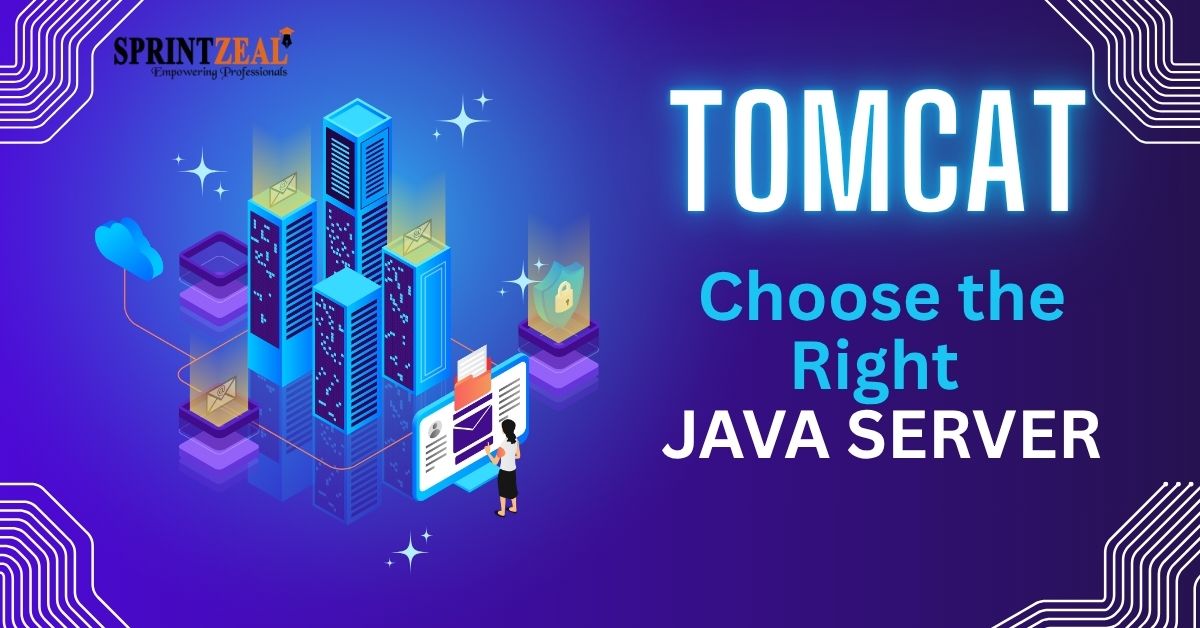
When embarking on a Java web application project, one of the critical decisions developers face is selecting the right servlet container to host their applications. Among the myriad options available, Apache Tomcat stands out as a widely adopted choice due to its robust features and strong community support. However, it is essential to understand how Tomcat compares to other Java servlet containers, such as Jetty, WildFly, and GlassFish, to determine which solution best fits the specific needs of your project. This article delves into the strengths and weaknesses of Apache Tomcat in relation to its competitors, offering insights on performance, scalability, security, and practical use cases to guide your decision-making process.
A Java Servlet Container, also known as a web container, is a vital piece of software that manages servlets, Java's way of handling requests and responses in web applications. Think of it as a bus station where requests arrive, get inspected, and then sent off to the appropriate servlets (the "buses"). It also manages the lifecycle of servlets, from creation to destruction, ensuring they have everything they need to operate efficiently.
Most servlet containers come equipped with a slew of features that enhance web application development. Common offerings include support for Java EE specifications, session management, security features like authentication and authorization, and the ability to manage server resources efficiently. Additionally, many containers offer a sort of user-friendly dashboard where developers can monitor performance and manage configurations without breaking a sweat (or the server).
Apache Tomcat made its grand debut in 1999, starting life as the reference implementation of the Java Servlet and JavaServer Pages (JSP) specifications. Originally developed by James Duncan Davidson and a group of fellow enthusiasts, it has grown to become one of the most popular servlet containers out there. Over the years, Tomcat has evolved through various updates and versions, continually adapting to the ever-changing web landscape while maintaining its core ethos: simplicity and reliability.
Tomcat's architecture is like a finely tuned machine, featuring several components that work harmoniously together. At its heart, you’ll find the Catalina servlet container, responsible for processing requests and managing servlets. This is surrounded by components like the Coyote connector (handling HTTP requests) and the Jasper engine (compiling JSP into servlets). Together, they create a multi-threaded environment, allowing Tomcat to handle multiple requests simultaneously, like a skilled juggler with an impressive number of balls in the air!
Tomcat shines bright when it comes to supporting Java EE specifications, but it’s important to note that it primarily offers a subset, focusing on servlets and JSP. If your project doesn’t require the full Java EE stack (like EJBs), Tomcat swoops in to save the day, providing a lightweight and efficient solution without the overhead of unnecessary features—kind of like that friend who knows exactly when to join a party and when to hold back.
One of Tomcat's strong suits is its ability to integrate seamlessly with popular Java frameworks like Spring, Hibernate, and Struts. This means you can build robust, enterprise-grade applications without getting tangled in a web of complexities. It’s like having a versatile chef in your kitchen who knows how to whip up a meal with whatever ingredients you throw at them.
Tomcat offers a variety of configuration and management options that cater to both beginners and seasoned pros. The server.xml and web.xml files allow for granular control over settings, while the built-in manager application provides an easy-to-use web interface for deploying, starting, or stopping applications. Plus, with robust logging capabilities, monitoring and troubleshooting become less of a headache and more of a delightful game of “find the bug.”
While some managed containers restrict your environment variables, launching your own Tomcat server gives you complete root access to modify XML configurations, adjust thread pools, and update Java runtimes as your project demands.
Jetty is like the cool kid at school—lightweight, flexible, and extremely popular for embedded applications. While Tomcat offers robust support for Java EE specifications, Jetty excels in simple setups and microservices architectures. If you’re aiming for a minimalistic approach with quick startup times, Jetty might just be your go-to.
WildFly (formerly known as JBoss AS) is the heavyweight champion of the Java EE world, packing a punch with its full suite of Java EE features. While Tomcat keeps things light and straightforward, WildFly offers advanced features like clustering and extensive management tools, perfect for large-scale enterprise applications. If you need the full flavor of Java EE, grab a WildFly ticket—just prepare for a bit more complexity!
GlassFish is often seen as the gentler sibling of the Java EE family, coming with a full Java EE stack. It’s great for developers who want to experiment with the latest Java EE features without much fuss. However, if you value performance and lightweight operation, Tomcat may feel like the faster ride on the development highway. GlassFish is excellent for feature-rich applications, while Tomcat is often the stalwart champion of simplicity.
When it comes to benchmarking, Apache Tomcat often stands out as a reliable performer. Various tests indicate that it can efficiently handle thousands of requests per second, making it a go-to choice for developers seeking robust performance. Its servlet implementation and connection pooling help maintain low response times even under heavy loads. However, these numbers can fluctuate based on configuration and underlying hardware, so it’s critical to tailor your setup to your specific project needs. Performance isn’t just about speed; it’s also about consistency—something Tomcat can deliver when optimized.
Tomcat's architecture supports effective load handling through its threading model. It uses a thread pool to manage incoming requests, letting it efficiently serve multiple users simultaneously. However, it’s not immune to bottlenecks. When a surge of traffic hits, if not configured properly, you could find your server gasping for air. Fine-tuning settings like the maximum number of threads and connection timeouts is essential for maintaining performance. So, while Tomcat can scale well with the right adjustments, it’s crucial to monitor your environment to avoid turning your server into a digital traffic jam.
Apache Tomcat comes equipped with a suite of built-in security features that can help keep your applications safe. These include support for secure sockets layer (SSL) encryption, access control mechanisms, and the ability to integrate with Java EE security standards. Additionally, it can be configured to run in a restricted environment, reducing the attack surface for potential threats. However, these features need to be properly configured and updated regularly—because let’s face it, leaving security to chance is like leaving your front door wide open with a welcome mat that says “burglar friendly.”
Despite its robust security measures, Apache Tomcat isn’t without its vulnerabilities. Common issues include misconfigurations, outdated libraries, and exploits related to improper session management. Cross-site scripting (XSS) and denial-of-service (DoS) attacks are also prevalent threats. Staying on top of these vulnerabilities requires diligence—think of it as regular maintenance for your digital fortress. Keeping your Tomcat version up to date and staying informed about security patches can help you avoid becoming the latest headline in the "Oops! My Server Got Hacked" news.
If you're developing a small to medium-sized application, Apache Tomcat is a fantastic fit. It’s lightweight, easy to set up, and offers the flexibility you need without overwhelming you with features you won’t use. Whether it’s a simple web app or a RESTful service, Tomcat can handle modest traffic levels without breaking a sweat. Plus, its extensive documentation and active community make troubleshooting a lot less daunting. Think of it as the trusty SUV of servlet containers—reliable and ready to take on most journeys without all the bells and whistles of a high-end sports car.
For larger-scale enterprise deployments, Tomcat might require a bit more TLC. While it can certainly handle the load, enterprises often have specific needs like high availability, redundancy, and clustering. In such cases, you might want to consider complementing Tomcat with load balancers and clustering tools to ensure a smooth and resilient operation. It’s like bringing along a Swiss army knife—you never know when you might need that extra tool! However, if your application architecture leans heavily on Java EE features beyond servlets, other containers like JBoss or WebSphere might be worth exploring for a more comprehensive toolkit.
When choosing the right servlet container for your project, consider factors like performance needs, scalability requirements, security measures, and the level of community support. Assessing the complexity of your application can also guide your decision. If you're aiming for something straightforward, Tomcat shines.
But if you need features like full Java EE support or comprehensive transaction management, you might want to look at alternatives. Ultimately, the right choice will align with your project's goals and the resources you have at your disposal.
In the grand showdown of servlet containers, Apache Tomcat holds its ground well, especially for those starting their journey in the Java world. Its blend of performance, simplicity, and robustness makes it a formidable contender. However, as with any decision in life (and code), there’s no one-size-fits-all answer.
Weigh your options based on your project requirements, and remember: the best tool is the one that fits your unique situation. So, consider Tomcat, but don’t forget to peek at the other contenders in the ring. After all, it’s a big web out there!In conclusion, selecting the right servlet container for your Java project is crucial for achieving optimal performance, security, and scalability.
While Apache Tomcat offers a solid foundation with its extensive features and support, it's important to consider the unique requirements of your application and how they align with the strengths of other containers like Jetty, WildFly, and GlassFish. By carefully evaluating these options, you can make an informed decision that will set your project up for success.

Fri, 18 September 2026
Tue, 18 August 2026

Thu, 30 July 2026
Thu, 21 May 2026
Fri, 15 May 2026
Tue, 26 May 2026
Thu, 22 January 2026

© 2026 Sprintzeal Americas Inc. - All Rights Reserved.



 USA : +1315-322-7821
 UK : +44 7700 174870
 IND : +919036108287
 AUS : +61 480 005 455