When AI Amplifies a Crisis: Modern Crisis Management for the Algorithm Age
Tue, 27 October 2026

Inspirational journeys
Follow the stories of academics and their research expeditions
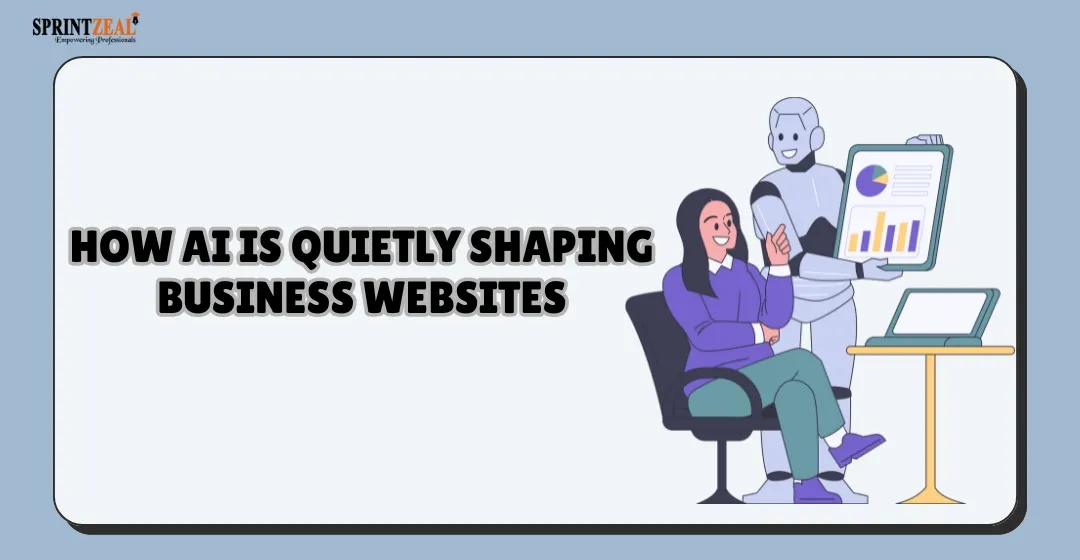
Having a website today isn’t just about being online — it’s often the first thing people see when they come across your business. But let’s be honest: building and maintaining a site used to be a real hassle. Now? AI is stepping in and doing a lot of the heavy lifting. And not in a flashy, sci-fi way — more like a smart assistant that quietly helps you make faster, better decisions for your online presence.
Plenty of business owners are starting to explore AI tools — and even turning to AI consultants — just to stay ahead of the curve.
We’ve come a long way from the days of typing raw code into a blank screen. Even drag-and-drop tools felt revolutionary at one point. But they still left you doing most of the thinking — and guessing.
AI takes that next step. Rather than simply handing you a bunch of tools, it actually helps you decide what makes sense to build — and how to improve it along the way. It doesn’t just wait for instructions — it works with you, almost like a teammate who already knows a thing or two about your goals.
AI isn't some magic button — it's more like a quiet helper behind the scenes. It doesn’t make your site for you, but it can speed things up and give you a solid starting point. Think of it like working with an assistant who understands design, content, and user behavior — and doesn’t get tired.
Picking a design can be weirdly stressful. Too many choices, and nothing feels quite right. AI doesn’t just throw templates at you — it takes what you give it (your type of business, what vibe you want, maybe even a logo or Instagram page) and builds something that actually fits.
You can still tweak things, of course. But it’s a relief not having to start with a blank page. And yeah, it looks great on mobile right away — no fiddling with sizing or alignment.
Writing about your own business? Surprisingly hard. You either write too much or don’t know where to start. That’s where AI can jump in — it gives you a starting draft, and you shape it to sound like you.
It’s not just about grammar either. Some of these tools help with keywords, titles, and content that Google actually notices. So you’re not only saying the right thing — you’re saying it in a way that gets found.
People leave clunky websites. AI helps avoid that by making things easier to use. It pays attention to what people actually do — what they click, how long they stick around, or where they seem to get lost.
From there, it figures out how to make things smoother, like surfacing better content or making navigation more obvious. Sometimes it’ll even suggest edits to your menu or buttons.
This isn’t just fancy tech for fun — it saves time and money. You can launch faster, spend less on hiring designers, and keep the site fresh with less effort.
It also makes the experience better for your customers. A fast, easy-to-use site means people stick around longer and are more likely to do what you want — like buy, book, or sign up.
AI tools aren’t perfect. Some platforms are better than others, and you still need to guide the process. You can’t just click a button and get a perfect site. It’s more like getting a strong draft that you can shape.
Also, don’t forget about privacy. If a tool collects visitor data, make sure it’s following the rules — and that you understand how it works.
It’s not hard to imagine what’s next. Already, some platforms are playing with voice commands — you tell them what kind of site you want, and they start building.
Soon, websites might not just be personalized — they could change in real-time based on who's visiting. Or maybe even adjust tone and visuals depending on the time of day or where someone’s browsing from.
We’re not quite there yet — but it’s close enough that getting familiar with these tools now is a smart move.
You don’t need to know code or hire a team of developers to get a solid website anymore. AI gives you shortcuts — not for everything, but enough to make the process smoother.
If you're curious, try using one small AI tool first. You’ll probably be surprised at how much time it saves — and how easy it is to get something that actually works.

Tue, 27 October 2026
Tue, 27 October 2026

Fri, 23 October 2026

Tue, 13 October 2026
Fri, 09 October 2026

Mon, 28 September 2026

Tue, 22 September 2026

Tue, 08 September 2026

Mon, 24 August 2026
Wed, 19 August 2026


© 2026 Sprintzeal Americas Inc. - All Rights Reserved.

 USA : +1315-322-7821
 UK : +44 7700 174870
 IND : +919036108287
 AUS : +61 480 005 455