How Split PDFs Improve Document Management in Professional Workflows?
Mon, 17 August 2026

Inspirational journeys
Follow the stories of academics and their research expeditions
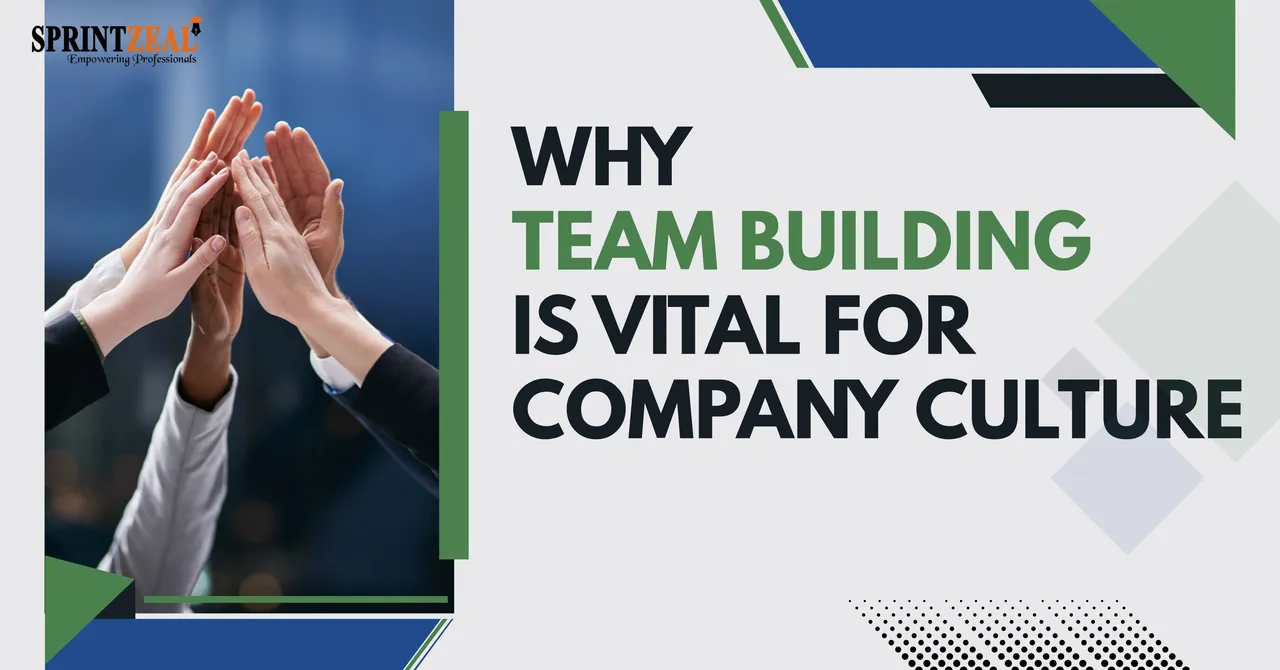
Culture isn't built in a boardroom—it's built in the breakroom. It comes from small interactions, celebrating wins together, and knowing you can count on the person next to you.
For HR leaders watching engagement fade, the solution is not always another policy change. Sometimes it's just creating space for people to actually connect.
This post breaks down seven reasons why team building matters for company culture.
Trust doesn't show up because you printed it on a poster. It grows when teams face real problems together and learn how each person contributes under pressure.
Why This Matters for Remote Teams
Those watercooler conversations that built trust? They don't happen in remote setups. Scheduled virtual sessions replace them, creating space for real connection beyond the usual work talk.
Departments get siloed when they only connect through formal processes like tickets and approval chains. Team building forces different groups to interact, which naturally stretches how they communicate.
Stick a marketer with someone from finance or ops in an activity, and they'll quickly see how their work ripples across the org.
Disengagement is expensive—lost output, more call-ins, people quitting. Gallup's numbers prove it. Well-run employee engagement activities remind employees they matter beyond their job description. When people feel included, they actually want to contribute—not just collect a check.
What Engagement Actually Looks Like
Real engagement isn't about big applause during a team event. It's about how people act day to day.
You don't build leaders in a classroom alone. Team activities let employees step up, take charge, and practice leading in a safe environment—long before they're in a hot seat.
Organizations that make this a habit often find their next managers already on the payroll.
Big blowups at work are rare. More often, it's the quiet tensions that build from avoided conversations. Team building cuts through that by letting people interact outside their day-to-day roles.
Addressing Generational and Cultural Differences
Different generations, different backgrounds—it's the new normal. The right activities turn that diversity into a strength, not a source of tension.
Replacing someone hits your wallet harder than retention does—recruitment, training, lost productivity. People who feel connected are less likely to leave for a modest pay bump.
In a tight labor market, that's a competitive edge—not a warm fuzzy.
Values on a wall don't shape culture—behaviors do. Team building creates moments where leaders can model what they preach, giving employees something real to remember.
Making Culture Consistent Across Locations
Multiple offices and remote work can fragment culture fast. A consistent team building approach—virtual or on-site—ensures employees in different cities actually share the same cultural touchpoints and traditions.
Culture happens in the moments you create, not the words you write. Teams that invest in consistent, intentional connection—not just the occasional offsite—build more trust and retain better people.
Outback Team Building brings over 30 years of experience and 30,000+ client partnerships across North America. They offer flexible, scalable programs for remote, virtual, self-hosted, outdoor, and in-office teams—helping organizations move culture from idea to everyday reality.

Mon, 17 August 2026
Fri, 14 August 2026
Fri, 31 July 2026
Thu, 30 July 2026

Wed, 29 July 2026

Wed, 29 July 2026
Thu, 23 May 2024

Tue, 04 March 2025

Thu, 29 May 2025

© 2026 Sprintzeal Americas Inc. - All Rights Reserved.

 USA : +1315-322-7821
 UK : +44 7700 174870
 IND : +919036108287
 AUS : +61 480 005 455