How Certified Professionals Turn a Credential Into Career Momentum
Wed, 21 October 2026

Inspirational journeys
Follow the stories of academics and their research expeditions
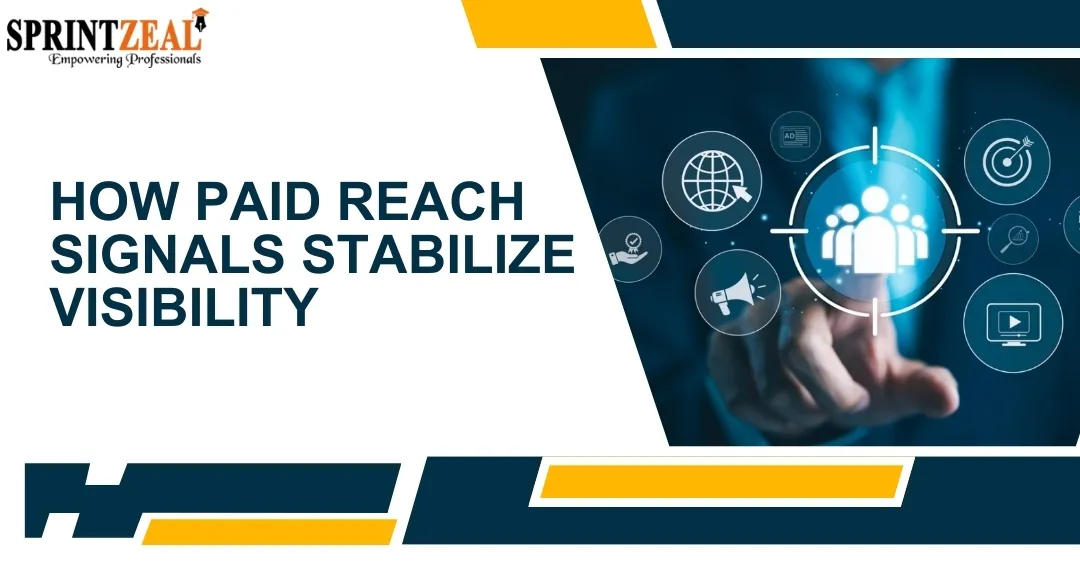
Organic reach used to work. You'd post something and your audience would see it, simple as that. That's over now. Platform algorithms changed everything, and organic reach just fell apart for most businesses and creators. Some accounts lost 90 percent of their reach in a couple of years, completely devastating if social media was your main channel.
Platforms claim they're showing more content from friends and family now. Sounds good, except it really means business accounts get buried in feeds. Instagram changed away from a chronological feed first, and others copied that. Facebook actually did it earlier, around 2014, businesses saw their reach tank, and it never came back.
There's way more content being posted, too. More creators, more businesses, everything competing for the same feed space. Algorithms can't show it all, so they pick what they think users want. Business content loses that fight unless it goes viral or you pay for it.
Platform economics matter here, but nobody says it directly. These companies need money, and ads are how they get it. If organic reach stayed high, then businesses wouldn't pay for visibility, right? The incentive structure pushes toward reducing organic reach. Not calling it a conspiracy or anything, but the business model pretty much requires this.
Businesses built audiences organically, then suddenly couldn't reach those people anymore. You might have 50,000 followers, but only 2,000 see each post, which makes the follower count almost pointless. When 96 percent of your audience doesn't see your content, what's the point? Engagement rates drop because fewer people see posts, the algorithm thinks that means bad content, and it reduces reach more. Hard cycle to escape.
Small businesses got destroyed by this, honestly. Big brands have budgets to pay for visibility. Small businesses relied on free social media marketing and found themselves invisible overnight. Lots of them tried gaming algorithms with engagement tactics, posting way more, using trending sounds, whatever might work. Sometimes it helps temporarily, but platforms close those gaps.
Content quality standards went up, too, because competition increased. What got decent reach three years back barely shows now. You have to produce better stuff just to maintain what you used to get with less work, which is exhausting.
Paying for promotion guarantees visibility when organic doesn't. Even small ad budgets stabilize reach and keep you visible to your audience. The algorithm treats paid content differently, shows it to more people, and tracks it better. Some businesses found mixing organic with paid boost worked better than either by itself.
Starting with paid stuff early helps more than waiting until organic is dead. Accounts mixing paid and organic from the start maintain better visibility overall. The algorithm seems to favor accounts spending money, which makes sense from the platform's view, even though it's frustrating. Pages using Instagram promotion regularly tend to see better organic reach, too, maybe because spending signals you're a serious account worth showing.
Paid reach gives you data that organic doesn't provide. Ad platforms show exactly who saw content, how they engaged, and demographics. That helps refine strategy in ways organic analytics can't. You learn what works instead of guessing with limited data.
Organic reach isn't coming back; platforms won't reverse this because revenue depends on paid promotion. Businesses need to accept it and adjust. Treating social as free marketing doesn't work anymore for most accounts, requiring a budget now.
Some businesses left social media completely, focused on email lists and channels they control. Smart move, honestly, because algorithm changes can kill a social strategy instantly. Building an audience on rented land is risky when the landlord constantly changes the rules.
Others integrated paid promotion into regular budgets. Small, consistent spending on boosted posts or targeted ads maintains visibility and reaches new people. Not ideal compared to free organic reach back in the day, but it's reality. Accounts refusing to spend become invisible gradually.
This shift changed what success means on social platforms, too. Vanity metrics like follower counts matter less than actual reach and conversions. An account with 10,000 engaged Instagram followers seeing posts beats 100,000 followers where 2 percent see anything. The quality of the audience matters more than raw numbers.
Starting small makes sense when testing paid promotion. Boosting top organic posts often works better than making separate ad content. The algorithm already knows that the content performs organically, so paid boost amplifies what's working already.
Targeting matters more than budget size sometimes. Spending $50 reaching the right 1,000 people beats $500 reaching 10,000 wrong ones. Platform targeting tools let you narrow audiences precisely, helping smaller budgets stretch further.
Testing different content types with small paid budgets shows what resonates before committing to big spending. Maybe video outperforms images, carousel posts beat single images. Data from paid campaigns reveals patterns that organic posting hides because reach is too limited.
The collapse of organic reach forced changes nobody wanted, but ignoring it means becoming invisible. Paid signals stabilize visibility where free reach is gone. Not the social media landscape businesses signed up for years ago, but it's what exists now; adaptation is necessary. Businesses that figured this out early maintained their presence; ones that waited, hoping organic would recover, got left behind. There's no going back to how things were; platforms found a revenue model that works for them, even if creators and businesses hate it. Either adapt to the new system or lose visibility completely; not much middle ground left anymore.
Organic reach used to work. You'd post something and your audience would see it, simple as that. That's over now. Platform algorithms changed everything, and organic reach just fell apart for most businesses and creators. Some accounts lost 90 percent of their reach in a couple of years, completely devastating if social media was your main channel.
Platforms claim they're showing more content from friends and family now. Sounds good, except it really means business accounts get buried in feeds. Instagram changed away from a chronological feed first, and others copied that. Facebook actually did it earlier, around 2014, businesses saw their reach tank, and it never came back.
There's way more content being posted, too. More creators, more businesses, everything competing for the same feed space. Algorithms can't show it all, so they pick what they think users want. Business content loses that fight unless it goes viral or you pay for it.
Platform economics matter here, but nobody says it directly. These companies need money, and ads are how they get it. If organic reach stayed high, then businesses wouldn't pay for visibility, right? The incentive structure pushes toward reducing organic reach. Not calling it a conspiracy or anything, but the business model pretty much requires this.
Businesses built audiences organically, then suddenly couldn't reach those people anymore. You might have 50,000 followers, but only 2,000 see each post, which makes the follower count almost pointless. When 96 percent of your audience doesn't see your content, what's the point? Engagement rates drop because fewer people see posts, the algorithm thinks that means bad content, and it reduces reach more. Hard cycle to escape.
Small businesses got destroyed by this, honestly. Big brands have budgets to pay for visibility. Small businesses relied on free social media marketing and found themselves invisible overnight. Lots of them tried gaming algorithms with engagement tactics, posting way more, using trending sounds, whatever might work. Sometimes it helps temporarily, but platforms close those gaps.
Content quality standards went up, too, because competition increased. What got decent reach three years back barely shows now. You have to produce better stuff just to maintain what you used to get with less work, which is exhausting.
Paying for promotion guarantees visibility when organic doesn't. Even small ad budgets stabilize reach and keep you visible to your audience. The algorithm treats paid content differently, shows it to more people, and tracks it better. Some businesses found mixing organic with paid boost worked better than either by itself.
Starting with paid stuff early helps more than waiting until organic is dead. Accounts mixing paid and organic from the start maintain better visibility overall. The algorithm seems to favor accounts spending money, which makes sense from the platform's view, even though it's frustrating. Pages using Instagram promotion regularly tend to see better organic reach, too, maybe because spending signals you're a serious account worth showing.
Paid reach gives you data that organic doesn't provide. Ad platforms show exactly who saw content, how they engaged, and demographics. That helps refine strategy in ways organic analytics can't. You learn what works instead of guessing with limited data.
Organic reach isn't coming back; platforms won't reverse this because revenue depends on paid promotion. Businesses need to accept it and adjust. Treating social as free marketing doesn't work anymore for most accounts, requiring a budget now.
Some businesses left social media completely, focused on email lists and channels they control. Smart move, honestly, because algorithm changes can kill a social strategy instantly. Building an audience on rented land is risky when the landlord constantly changes the rules.
Others integrated paid promotion into regular budgets. Small, consistent spending on boosted posts or targeted ads maintains visibility and reaches new people. Not ideal compared to free organic reach back in the day, but it's reality. Accounts refusing to spend become invisible gradually.
This shift changed what success means on social platforms, too. Vanity metrics like follower counts matter less than actual reach and conversions. An account with 10,000 engaged Instagram followers seeing posts beats 100,000 followers where 2 percent see anything. The quality of the audience matters more than raw numbers.
Starting small makes sense when testing paid promotion. Boosting top organic posts often works better than making separate ad content. The algorithm already knows that the content performs organically, so paid boost amplifies what's working already.
Targeting matters more than budget size sometimes. Spending $50 reaching the right 1,000 people beats $500 reaching 10,000 wrong ones. Platform targeting tools let you narrow audiences precisely, helping smaller budgets stretch further.
Testing different content types with small paid budgets shows what resonates before committing to big spending. Maybe video outperforms images, carousel posts beat single images. Data from paid campaigns reveals patterns that organic posting hides because reach is too limited.
The collapse of organic reach forced changes nobody wanted, but ignoring it means becoming invisible. Paid signals stabilize visibility where free reach is gone. Not the social media landscape businesses signed up for years ago, but it's what exists now; adaptation is necessary. Businesses that figured this out early maintained their presence; ones that waited, hoping organic would recover, got left behind. There's no going back to how things were; platforms found a revenue model that works for them, even if creators and businesses hate it. Either adapt to the new system or lose visibility completely; not much middle ground left anymore.

Wed, 21 October 2026
Thu, 15 October 2026
Wed, 14 October 2026
Tue, 13 October 2026
Wed, 07 October 2026
Fri, 02 October 2026
Wed, 30 September 2026
Tue, 29 September 2026
Fri, 25 September 2026
Tue, 22 September 2026
© 2026 Sprintzeal Americas Inc. - All Rights Reserved.

 USA : +1315-322-7821
 UK : +44 7700 174870
 IND : +919036108287
 AUS : +61 480 005 455