Employee Experience Management: Key Drivers and How to Improve Them
Tue, 08 September 2026

Inspirational journeys
Follow the stories of academics and their research expeditions
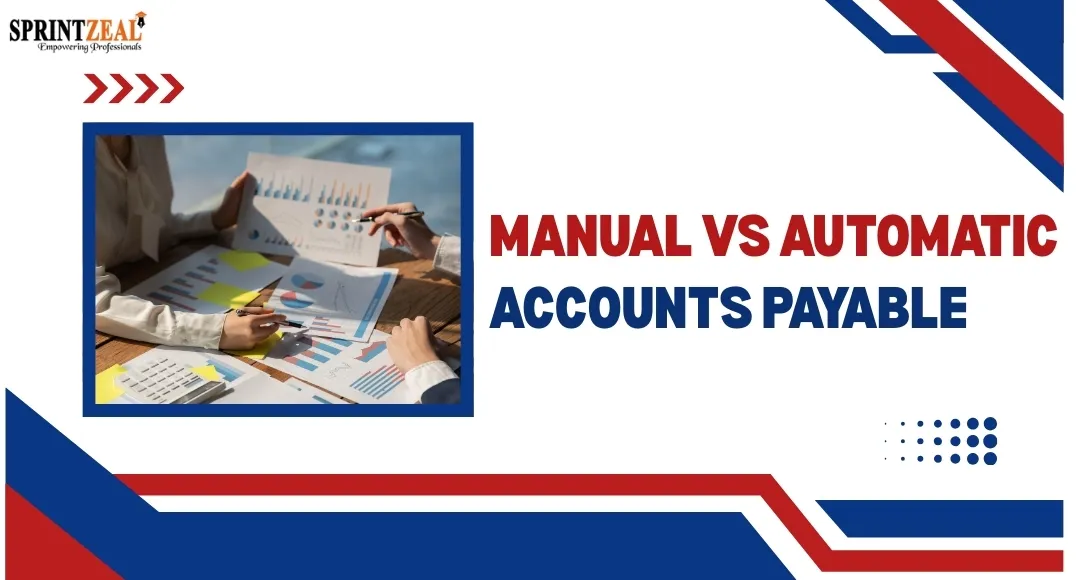
In large enterprises, accounts payable usually operates out of sight. It usually goes unnoticed until something goes wrong such as late payments trigger supplier calls, a missed approval delays the close, or an error shows up during an audit. By then, the damage has already affected operations, relationships, and reports.
Most of these issues stem from manual processes. Data is handled by multiple teams, approvals get buried in email threads, and payment tracking sits in spreadsheets that are never fully up to date. It may work at small volumes, but at enterprise scale, it quickly becomes fragile and prone to errors.
What has changed in recent years is not just technology, but evidence. Finance leaders now have clear operational metrics showing how digital AP automation compares to manual workflows. For example, studies show that manual AP processing can cost $12–$16 per invoice, while automation brings that down to roughly $1.50–$6 per invoice. Manual cycle times averaging 8–14 days drop to 2–3 days with automation. Error rates are reduced from around 1.6% in manual processes to about 0.5% with validation checks in automated systems.
Manual AP processes depend on people remembering steps and following up.
Many enterprises keep manual elements because systems are fragmented or change feels risky. In steady periods, teams compensate with experience and effort.
As invoice volumes rise, manual intervention increases along with them. Approvals get delayed. This is mainly because sometimes necessary reviewers cannot be located. Sometimes there are duplicate invoices or documents cannot be found. At first glance, these problems seems insignificant however, they slow down operations, erode controls, and build risk over time.
The move toward automation is no longer driven by preference. It is driven by outcomes.
Enterprises that adopt digital AP workflows consistently report measurable improvements. According to recent industry data, about 85% of organizations have adopted some form of AP automation, and 78% report increased productivity after switching from manual workflows.
Automation also improves predictability. Cash flow visibility increases for more than 60% of AP teams after automation, helping finance leaders spend less time reacting and more time planning.
The decision to automate is not about speed alone. It is about reducing operational risk.
Manual processes also increase the risk of late payments, missed discounts, and weak audit trails. Although there may be controls, strict compliance becomes a challenge.
This is why many enterprises now rely on accounts payable automation software to bring structure to the entire invoice lifecycle. Finance teams find themselves benefiting from consistency while avoiding overhead since approvals, validation, and documentation are managed in a single system.
Most AP errors are small and are also frequent.
Typing errors, incorrect coding, and missing tax values all require manual correction. Each fix takes time, and across thousands of invoices, that time adds up quietly, persistently draining capacity and slowing the entire process.
Automated systems validate invoices as they enter the workflow. Mismatches are flagged early, before approvals begin. Over time, error rates fall, and teams recover hours that were previously spent correcting routine issues.
Manual AP relies on reminders and follow-ups. Visibility depends on who responds and when.
Digital workflows change that dynamic. Dashboards show the status of the invoices, which approvals are pending, and where delays occur. When the visibility heightens, the levels of accountability soar. Bottlenecks also become easier to resolve since they are no longer concealed in the inboxes.
Audits often expose the limits of manual accounts payable. Approvals are scattered, supporting documents sit in multiple systems, and timelines have to be pieced together after the fact. Even when teams follow the process, proving compliance takes time.
Automated systems capture evidence as part of normal operations. Every approval, change, and exception is logged automatically. This reduces audit effort and strengthens governance without slowing daily work.
Deloitte’s analysis on the future of finance highlights how automation improves compliance and transparency by embedding controls directly into financial workflows rather than layering them on later.
Manual AP often appears less expensive because software costs are visible and labour costs are spread out. Over time, that perception breaks down.
As invoice volumes grow, labour hours rise with them. Errors lead to rework, approval delays strain supplier relationships, and cash flow becomes harder to manage. The costs tend to accumulate until they become impossible to reverse.
Automation changes this trajectory. Companies that implement AP automation report processing cost reductions of up to 80%, while nearly 70% of organizations experience decreased invoice processing costs after automation.
Accounts payable by hand can be possible, but they are not scalable. When the size and complexity of companies expand, manual processes and inefficiencies become increasingly difficult to handle.
There is an increasing amount of data that favors digital automation over manual automation. This is because accuracy, transparency, and predictability, as well as minimizing risks associated with business operations, are provided to companies.
To a certain group of leaders, bringing automation to their accounts payable is more than a change within an organization.
In large enterprises, accounts payable usually operates out of sight. It usually goes unnoticed until something goes wrong such as late payments trigger supplier calls, a missed approval delays the close, or an error shows up during an audit. By then, the damage has already affected operations, relationships, and reports.
Most of these issues stem from manual processes. Data is handled by multiple teams, approvals get buried in email threads, and payment tracking sits in spreadsheets that are never fully up to date. It may work at small volumes, but at enterprise scale, it quickly becomes fragile and prone to errors.
What has changed in recent years is not just technology, but evidence. Finance leaders now have clear operational metrics showing how digital AP automation compares to manual workflows. For example, studies show that manual AP processing can cost $12–$16 per invoice, while automation brings that down to roughly $1.50–$6 per invoice. Manual cycle times averaging 8–14 days drop to 2–3 days with automation. Error rates are reduced from around 1.6% in manual processes to about 0.5% with validation checks in automated systems.
Manual AP processes depend on people remembering steps and following up.
Many enterprises keep manual elements because systems are fragmented or change feels risky. In steady periods, teams compensate with experience and effort.
As invoice volumes rise, manual intervention increases along with them. Approvals get delayed. This is mainly because sometimes necessary reviewers cannot be located. Sometimes there are duplicate invoices or documents cannot be found. At first glance, these problems seems insignificant however, they slow down operations, erode controls, and build risk over time.
The move toward automation is no longer driven by preference. It is driven by outcomes.
Enterprises that adopt digital AP workflows consistently report measurable improvements. According to recent industry data, about 85% of organizations have adopted some form of AP automation, and 78% report increased productivity after switching from manual workflows.
Automation also improves predictability. Cash flow visibility increases for more than 60% of AP teams after automation, helping finance leaders spend less time reacting and more time planning.
The decision to automate is not about speed alone. It is about reducing operational risk.
Manual processes also increase the risk of late payments, missed discounts, and weak audit trails. Although there may be controls, strict compliance becomes a challenge.
This is why many enterprises now rely on accounts payable automation software to bring structure to the entire invoice lifecycle. Finance teams find themselves benefiting from consistency while avoiding overhead since approvals, validation, and documentation are managed in a single system.
Most AP errors are small and are also frequent.
Typing errors, incorrect coding, and missing tax values all require manual correction. Each fix takes time, and across thousands of invoices, that time adds up quietly, persistently draining capacity and slowing the entire process.
Automated systems validate invoices as they enter the workflow. Mismatches are flagged early, before approvals begin. Over time, error rates fall, and teams recover hours that were previously spent correcting routine issues.
Manual AP relies on reminders and follow-ups. Visibility depends on who responds and when.
Digital workflows change that dynamic. Dashboards show the status of the invoices, which approvals are pending, and where delays occur. When the visibility heightens, the levels of accountability soar. Bottlenecks also become easier to resolve since they are no longer concealed in the inboxes.
Audits often expose the limits of manual accounts payable. Approvals are scattered, supporting documents sit in multiple systems, and timelines have to be pieced together after the fact. Even when teams follow the process, proving compliance takes time.
Automated systems capture evidence as part of normal operations. Every approval, change, and exception is logged automatically. This reduces audit effort and strengthens governance without slowing daily work.
Deloitte’s analysis on the future of finance highlights how automation improves compliance and transparency by embedding controls directly into financial workflows rather than layering them on later.
Manual AP often appears less expensive because software costs are visible and labour costs are spread out. Over time, that perception breaks down.
As invoice volumes grow, labour hours rise with them. Errors lead to rework, approval delays strain supplier relationships, and cash flow becomes harder to manage. The costs tend to accumulate until they become impossible to reverse.
Automation changes this trajectory. Companies that implement AP automation report processing cost reductions of up to 80%, while nearly 70% of organizations experience decreased invoice processing costs after automation.
Accounts payable by hand can be possible, but they are not scalable. When the size and complexity of companies expand, manual processes and inefficiencies become increasingly difficult to handle.
There is an increasing amount of data that favors digital automation over manual automation. This is because accuracy, transparency, and predictability, as well as minimizing risks associated with business operations, are provided to companies.
To a certain group of leaders, bringing automation to their accounts payable is more than a change within an organization.

Tue, 08 September 2026
Thu, 20 August 2026

Mon, 27 July 2026

Mon, 06 July 2026

Tue, 23 June 2026

Thu, 20 March 2025

Tue, 26 May 2026

© 2026 Sprintzeal Americas Inc. - All Rights Reserved.




 USA : +1315-322-7821
 UK : +44 7700 174870
 IND : +919036108287
 AUS : +61 480 005 455