Outgrowing Microsoft PC Manager? Five Tune-Up Tools That Go Further
Thu, 01 October 2026
Inspirational journeys
Follow the stories of academics and their research expeditions
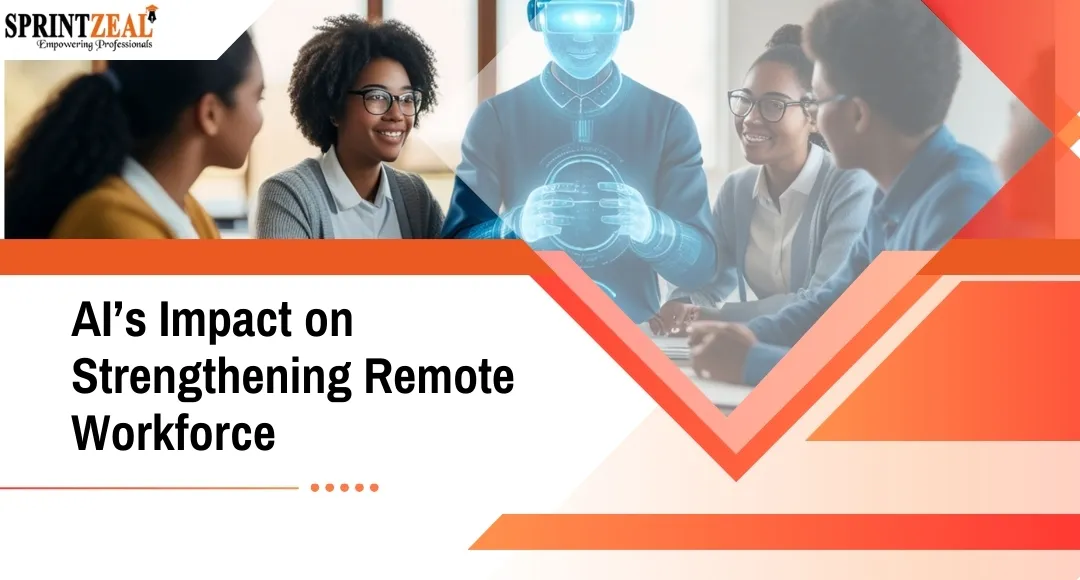
The Growing Role of AI in Remote Workforce Management
As organizations continue to embrace remote work models, the importance of maintaining robust IT compliance has never been greater. The rapid shift to distributed teams has introduced unique challenges in securing data, enforcing policies, and ensuring regulatory adherence across diverse locations and devices. Artificial Intelligence (AI) is increasingly being leveraged to enhance security protocols and streamline compliance processes for these remote environments. However, while AI offers powerful tools to manage remote workforce IT compliance, it also introduces hidden risks that organizations must carefully address to avoid unintended vulnerabilities.
The expansion of remote work has significantly broadened the attack surface for cyber threats. According to a 2023 report by IBM, 68% of companies experienced an increase in cyberattacks targeting remote employees, underscoring the critical need for enhanced security measures tailored to distributed workforces. This surge in attacks includes phishing campaigns, ransomware, and unauthorized access attempts that exploit the complexities of remote connectivity. In this context, AI-powered solutions are becoming indispensable in monitoring, detecting, and mitigating risks associated with remote work environments.
Beyond merely responding to threats, AI is transforming how organizations approach compliance by enabling proactive risk management. Advanced machine learning algorithms analyze vast amounts of network and user data to identify patterns and anomalies that would be impossible to detect manually. This capability allows organizations to anticipate potential compliance breaches before they occur, strengthening their overall security posture.
Organizations looking to implement AI for compliance need to partner with specialized cybersecurity providers. Collaborating with Compeint can help businesses deploy AI tools tailored to their remote workforce challenges while ensuring adherence to regulatory requirements such as GDPR, HIPAA, and CCPA. These partnerships provide not only the technological capabilities but also the expertise to navigate complex legal frameworks and industry standards effectively.
AI technologies enable automated policy enforcement, continuous monitoring, and real-time threat detection, critical components for maintaining compliance across decentralized teams. For example, AI-driven behavioral analytics can identify anomalous user activities that may indicate insider threats or compromised credentials. Such analytics consider contextual factors like login times, device types, and geographic locations to flag suspicious behaviors promptly.
Moreover, AI facilitates the management of compliance documentation and audit trails by automatically generating reports and flagging inconsistencies. This automation reduces the manual workload on IT teams and enhances the accuracy and timeliness of compliance reporting, which is crucial during regulatory audits. The ability of AI systems to maintain detailed logs and provide transparent insights into data access and policy enforcement enables organizations to demonstrate compliance with greater confidence.
A recent survey by Cybersecurity Insiders found that 65% of organizations using AI-driven compliance tools reported improved audit readiness and reduced compliance-related incidents. This statistic highlights the tangible benefits of integrating AI into compliance frameworks, especially in the context of remote workforces where manual oversight is more challenging.
Despite its benefits, integrating AI into IT compliance frameworks is not without risks. One of the primary concerns is the potential for AI systems to inherit biases or vulnerabilities that can be exploited by cybercriminals. If AI models are trained on incomplete or outdated data, they may fail to detect emerging threats or generate false positives, leading to compliance blind spots that leave organizations exposed.
Furthermore, AI algorithms themselves can become targets of adversarial attacks. Cyber attackers may manipulate input data to deceive AI systems, causing them to overlook malicious activities or incorrectly flag legitimate actions. This sophisticated form of attack requires organizations to adopt robust validation and monitoring practices for their AI tools.
Additionally, AI tools often require access to sensitive organizational data, raising privacy and data protection concerns. Unauthorized access or mismanagement of this data can result in compliance violations and severe penalties. Ensuring that AI systems comply with data minimization and encryption standards is essential to protect sensitive information from being compromised.
The importance of continuous AI model evaluation and security audits to mitigate these risks is emphasized by the expert team at Lumintus. By regularly updating AI algorithms and validating their outputs, organizations can minimize errors and maintain a strong security posture. This ongoing oversight helps ensure that AI systems remain effective against evolving threats and aligned with compliance mandates.
While AI streamlines many aspects of IT compliance, human expertise remains essential. Automated systems can handle routine monitoring and alerting, but nuanced decision-making and incident response often require skilled professionals who understand the broader organizational context.
A 2024 survey by Deloitte found that 72% of cybersecurity leaders believe the optimal approach combines AI tools with human judgment to effectively manage compliance risks. This hybrid approach ensures that AI-driven insights are interpreted correctly and that appropriate, context-aware actions are taken promptly. Human oversight also plays a critical role in ethical considerations, such as preventing AI biases from influencing compliance decisions unfairly.
Organizations should invest in training compliance teams to work alongside AI technologies, fostering collaboration between automated systems and human analysts. This synergy enhances the accuracy and responsiveness of compliance programs, particularly in complex scenarios that demand critical thinking and adaptability.
AI can also play a significant role in improving compliance through tailored employee training programs. By analyzing user behavior, AI systems can identify knowledge gaps and deliver personalized cybersecurity awareness content to remote workers. This targeted training helps reinforce best practices and reduces the likelihood of human error, a major factor in compliance breaches.
For example, if AI detects that a remote employee frequently accesses sensitive data outside of standard business hours or from unsecured networks, it can trigger customized training modules focused on secure remote access protocols. This proactive approach ensures that employees receive relevant guidance based on their unique risk profiles.
Organizations should develop comprehensive training strategies that integrate AI insights with regular communication and policy updates, fostering a culture of compliance among remote teams. According to a 2023 study by KnowBe4, companies that implemented AI-driven training programs reduced phishing susceptibility by 45% within six months. This statistic demonstrates the effectiveness of personalized, AI-enhanced training in mitigating compliance risks associated with human factors.
As AI technologies evolve, their impact on remote workforce IT compliance will continue to grow. Businesses must proactively address the hidden risks associated with AI implementation while leveraging its capabilities to build resilient compliance frameworks that can adapt to new challenges.
Investing in partnerships with cybersecurity experts provides access to advanced AI tools and professional guidance essential for navigating this complex landscape. These collaborations enable organizations to stay ahead of emerging threats and regulatory changes while optimizing their remote workforce management strategies.
By combining AI innovation with vigilant oversight and employee engagement, organizations can safeguard sensitive data, meet regulatory requirements, and empower their remote workforce to operate securely and confidently in an increasingly digital world. The integration of AI into compliance processes is not a panacea but a powerful enabler when implemented thoughtfully and responsibly.
In summary, the intersection of AI and remote workforce IT compliance presents both opportunities and challenges. Embracing AI-driven solutions enhances the ability to monitor, detect, and respond to threats at scale, while also improving compliance documentation and training. However, organizations must remain vigilant against the hidden risks of AI biases, data privacy concerns, and adversarial attacks. Through strategic partnerships, continuous evaluation, and a balanced human-AI approach, businesses can unlock the full potential of AI to strengthen their remote workforce compliance posture and build a secure future.
The Growing Role of AI in Remote Workforce Management
As organizations continue to embrace remote work models, the importance of maintaining robust IT compliance has never been greater. The rapid shift to distributed teams has introduced unique challenges in securing data, enforcing policies, and ensuring regulatory adherence across diverse locations and devices. Artificial Intelligence (AI) is increasingly being leveraged to enhance security protocols and streamline compliance processes for these remote environments. However, while AI offers powerful tools to manage remote workforce IT compliance, it also introduces hidden risks that organizations must carefully address to avoid unintended vulnerabilities.
The expansion of remote work has significantly broadened the attack surface for cyber threats. According to a 2023 report by IBM, 68% of companies experienced an increase in cyberattacks targeting remote employees, underscoring the critical need for enhanced security measures tailored to distributed workforces. This surge in attacks includes phishing campaigns, ransomware, and unauthorized access attempts that exploit the complexities of remote connectivity. In this context, AI-powered solutions are becoming indispensable in monitoring, detecting, and mitigating risks associated with remote work environments.
Beyond merely responding to threats, AI is transforming how organizations approach compliance by enabling proactive risk management. Advanced machine learning algorithms analyze vast amounts of network and user data to identify patterns and anomalies that would be impossible to detect manually. This capability allows organizations to anticipate potential compliance breaches before they occur, strengthening their overall security posture.
Organizations looking to implement AI for compliance need to partner with specialized cybersecurity providers. Collaborating with Compeint can help businesses deploy AI tools tailored to their remote workforce challenges while ensuring adherence to regulatory requirements such as GDPR, HIPAA, and CCPA. These partnerships provide not only the technological capabilities but also the expertise to navigate complex legal frameworks and industry standards effectively.
AI technologies enable automated policy enforcement, continuous monitoring, and real-time threat detection, critical components for maintaining compliance across decentralized teams. For example, AI-driven behavioral analytics can identify anomalous user activities that may indicate insider threats or compromised credentials. Such analytics consider contextual factors like login times, device types, and geographic locations to flag suspicious behaviors promptly.
Moreover, AI facilitates the management of compliance documentation and audit trails by automatically generating reports and flagging inconsistencies. This automation reduces the manual workload on IT teams and enhances the accuracy and timeliness of compliance reporting, which is crucial during regulatory audits. The ability of AI systems to maintain detailed logs and provide transparent insights into data access and policy enforcement enables organizations to demonstrate compliance with greater confidence.
A recent survey by Cybersecurity Insiders found that 65% of organizations using AI-driven compliance tools reported improved audit readiness and reduced compliance-related incidents. This statistic highlights the tangible benefits of integrating AI into compliance frameworks, especially in the context of remote workforces where manual oversight is more challenging.
Despite its benefits, integrating AI into IT compliance frameworks is not without risks. One of the primary concerns is the potential for AI systems to inherit biases or vulnerabilities that can be exploited by cybercriminals. If AI models are trained on incomplete or outdated data, they may fail to detect emerging threats or generate false positives, leading to compliance blind spots that leave organizations exposed.
Furthermore, AI algorithms themselves can become targets of adversarial attacks. Cyber attackers may manipulate input data to deceive AI systems, causing them to overlook malicious activities or incorrectly flag legitimate actions. This sophisticated form of attack requires organizations to adopt robust validation and monitoring practices for their AI tools.
Additionally, AI tools often require access to sensitive organizational data, raising privacy and data protection concerns. Unauthorized access or mismanagement of this data can result in compliance violations and severe penalties. Ensuring that AI systems comply with data minimization and encryption standards is essential to protect sensitive information from being compromised.
The importance of continuous AI model evaluation and security audits to mitigate these risks is emphasized by the expert team at Lumintus. By regularly updating AI algorithms and validating their outputs, organizations can minimize errors and maintain a strong security posture. This ongoing oversight helps ensure that AI systems remain effective against evolving threats and aligned with compliance mandates.
While AI streamlines many aspects of IT compliance, human expertise remains essential. Automated systems can handle routine monitoring and alerting, but nuanced decision-making and incident response often require skilled professionals who understand the broader organizational context.
A 2024 survey by Deloitte found that 72% of cybersecurity leaders believe the optimal approach combines AI tools with human judgment to effectively manage compliance risks. This hybrid approach ensures that AI-driven insights are interpreted correctly and that appropriate, context-aware actions are taken promptly. Human oversight also plays a critical role in ethical considerations, such as preventing AI biases from influencing compliance decisions unfairly.
Organizations should invest in training compliance teams to work alongside AI technologies, fostering collaboration between automated systems and human analysts. This synergy enhances the accuracy and responsiveness of compliance programs, particularly in complex scenarios that demand critical thinking and adaptability.
AI can also play a significant role in improving compliance through tailored employee training programs. By analyzing user behavior, AI systems can identify knowledge gaps and deliver personalized cybersecurity awareness content to remote workers. This targeted training helps reinforce best practices and reduces the likelihood of human error, a major factor in compliance breaches.
For example, if AI detects that a remote employee frequently accesses sensitive data outside of standard business hours or from unsecured networks, it can trigger customized training modules focused on secure remote access protocols. This proactive approach ensures that employees receive relevant guidance based on their unique risk profiles.
Organizations should develop comprehensive training strategies that integrate AI insights with regular communication and policy updates, fostering a culture of compliance among remote teams. According to a 2023 study by KnowBe4, companies that implemented AI-driven training programs reduced phishing susceptibility by 45% within six months. This statistic demonstrates the effectiveness of personalized, AI-enhanced training in mitigating compliance risks associated with human factors.
As AI technologies evolve, their impact on remote workforce IT compliance will continue to grow. Businesses must proactively address the hidden risks associated with AI implementation while leveraging its capabilities to build resilient compliance frameworks that can adapt to new challenges.
Investing in partnerships with cybersecurity experts provides access to advanced AI tools and professional guidance essential for navigating this complex landscape. These collaborations enable organizations to stay ahead of emerging threats and regulatory changes while optimizing their remote workforce management strategies.
By combining AI innovation with vigilant oversight and employee engagement, organizations can safeguard sensitive data, meet regulatory requirements, and empower their remote workforce to operate securely and confidently in an increasingly digital world. The integration of AI into compliance processes is not a panacea but a powerful enabler when implemented thoughtfully and responsibly.
In summary, the intersection of AI and remote workforce IT compliance presents both opportunities and challenges. Embracing AI-driven solutions enhances the ability to monitor, detect, and respond to threats at scale, while also improving compliance documentation and training. However, organizations must remain vigilant against the hidden risks of AI biases, data privacy concerns, and adversarial attacks. Through strategic partnerships, continuous evaluation, and a balanced human-AI approach, businesses can unlock the full potential of AI to strengthen their remote workforce compliance posture and build a secure future.

Thu, 01 October 2026
Wed, 16 October 2024

Fri, 06 February 2026
Fri, 06 February 2026
Fri, 06 February 2026
Fri, 06 February 2026
Fri, 06 February 2026
Fri, 06 February 2026
Fri, 06 February 2026

© 2026 Sprintzeal Americas Inc. - All Rights Reserved.


 USA : +1315-322-7821
 UK : +44 7700 174870
 IND : +919036108287
 AUS : +61 480 005 455