Outgrowing Microsoft PC Manager? Five Tune-Up Tools That Go Further
Thu, 01 October 2026

Inspirational journeys
Follow the stories of academics and their research expeditions
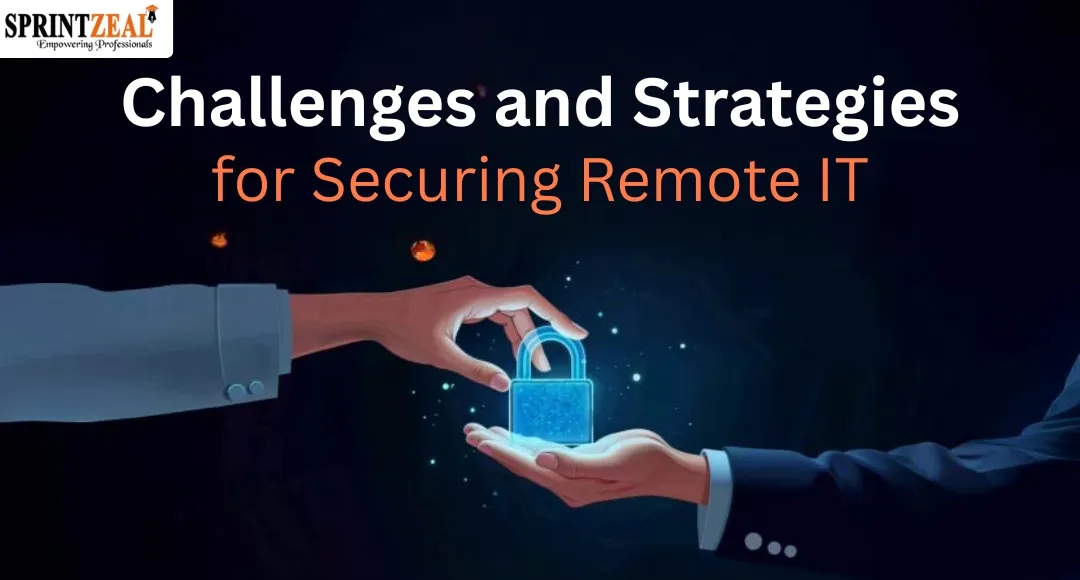
Understanding the New Frontier of Remote IT Challenges
In today’s fast-evolving digital era, the widespread adoption of remote work has transformed the traditional IT landscape into a sprawling, intricate network fraught with new vulnerabilities. While remote work offers unprecedented flexibility and operational benefits, it simultaneously expands the cyberattack surface, exposing organizations to a wider array of threats. This shift poses complex challenges, especially in high-threat cyber environments where attackers continuously evolve their tactics to exploit emerging weaknesses.
Remote IT management now transcends conventional security paradigms. It demands a sophisticated blend of advanced technologies, strategic oversight, and proactive risk management to safeguard sensitive information and ensure uninterrupted business functions. The invisible threats lurking within remote infrastructures often evade detection until significant damage has occurred, making early identification and mitigation critical.
Recent research indicates that 61% of organizations have experienced a rise in cyberattacks since the transition to remote work models. This alarming statistic underscores the necessity for businesses to reevaluate and reinforce their cybersecurity frameworks, tailoring them to the nuances of remote environments. Ignoring these complexities can leave organizations dangerously exposed to data breaches, ransomware, and other malicious activities.
Remote IT infrastructures are uniquely vulnerable because they extend beyond the traditional corporate perimeter into employees’ homes and personal devices. This expansion introduces a host of invisible security gaps that conventional defenses often fail to address. For instance, unsecured home Wi-Fi networks, outdated personal devices, and inconsistent application of corporate security policies create fertile ground for cybercriminals.
Phishing remains one of the most prevalent attack vectors, with cyber adversaries exploiting human psychology to trick remote workers into divulging credentials or installing malware. Ransomware attacks have also surged, locking organizations out of critical systems and demanding exorbitant payments for data restoration. Meanwhile, advanced persistent threats (APTs) operate stealthily, infiltrating networks and remaining undetected for months to exfiltrate sensitive information.
To counter these invisible dangers, organizations must adopt proactive detection and mitigation strategies that encompass not just technology but also people and processes. This is where Tuminto's approach plays a pivotal role. Their comprehensive cybersecurity services emphasize real-time threat intelligence, continuous monitoring, and rapid incident response tailored specifically for remote IT environments. By leveraging such specialized approaches, businesses can anticipate and neutralize cyber threats before they escalate into full-scale breaches.
Moreover, organizations should invest in endpoint detection and response (EDR) tools that provide visibility into devices regardless of their location. These tools enable security teams to detect suspicious behaviors, isolate compromised devices, and remediate threats swiftly. Without such capabilities, many remote IT vulnerabilities remain invisible until exploited.
Network infrastructure forms the backbone of any IT environment, and its importance is magnified in remote work scenarios. Effective network support is essential to managing the complexities of distributed connectivity while ensuring robust security controls are in place. Remote workforces rely heavily on virtual private networks (VPNs), as well as modern cloud security VPN architectures, cloud services, and collaboration platforms, all of which require seamless, secure integration.
Vendita's network support specialists provide expert network support that ensures uninterrupted connectivity and implements multilayered defense mechanisms to protect data in transit. Their specialists focus on optimizing network performance and applying adaptive security policies that respond dynamically to emerging threats. This level of expertise is indispensable for safeguarding data integrity and preventing unauthorized access in decentralized work environments.
Statistics reveal that 43% of cyberattacks target small and medium-sized businesses lacking adequate network defenses. This alarming figure highlights the critical need for organizations of all sizes to engage skilled network support specialists who can fortify their infrastructure against constantly evolving cyber threats.
Network segmentation, for example, is a vital technique employed by network support teams to isolate sensitive systems from less secure areas. This limits the lateral movement of attackers within a compromised network and reduces the overall risk footprint. Additionally, continuous network monitoring helps identify anomalies indicative of cyber intrusions, enabling rapid intervention.
Securing remote IT environments in high-threat cyber landscapes requires more than just basic protections; it demands the implementation of advanced, layered security strategies. One foundational approach is adopting zero-trust architectures, which fundamentally challenge the traditional notion of perimeter-based security. Zero-trust operates on the principle of "never trust, always verify," requiring continuous authentication and authorization for every user and device, regardless of network location.
By enforcing strict access controls and micro-segmentation, zero-trust models significantly reduce the risk of insider threats and lateral movement within networks. This is particularly important in remote scenarios where devices and users frequently connect from diverse and potentially insecure locations.
End-to-end encryption is another critical component, ensuring that data remains protected during transmission and storage. Encrypting communications and files reduces the risk that intercepted data can be exploited by attackers.
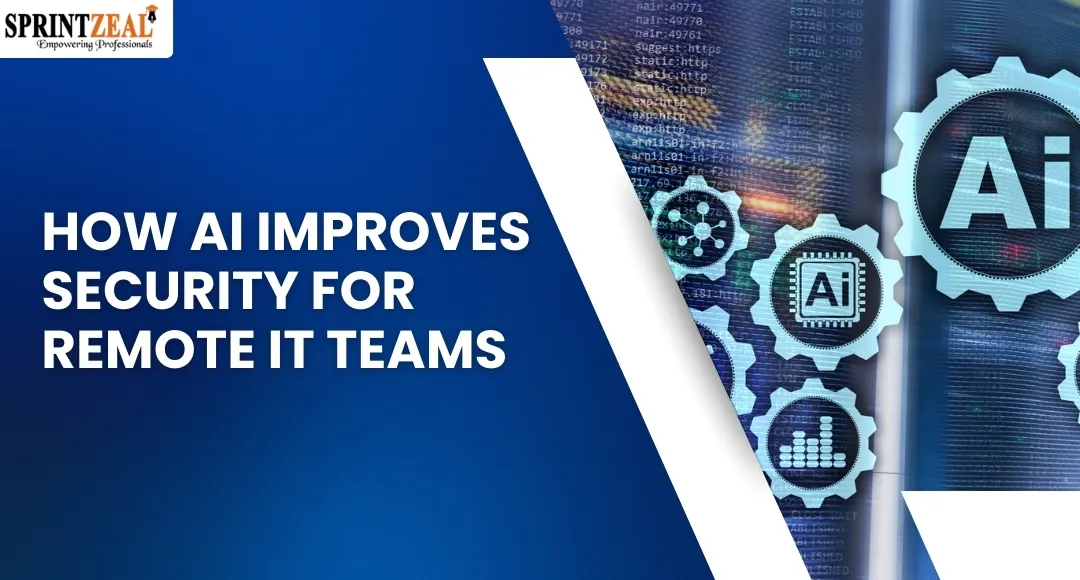
Artificial intelligence (AI) and machine learning (ML) technologies are increasingly integrated into cybersecurity frameworks to enhance threat detection and response. These systems analyze vast datasets to identify patterns and anomalies that may indicate cyber threats. AI-driven security tools can detect novel attack vectors much faster than traditional signature-based methods, enabling security teams to respond proactively.
For instance, AI-powered behavioral analytics monitors user activities to identify deviations from normal patterns, which could signal compromised accounts or insider threats. Automated incident response systems can then initiate containment procedures, minimizing damage.
While technology forms the foundation of remote IT security, the human element remains a critical factor in mitigating risks. Cybersecurity awareness training tailored for remote employees is essential to reduce vulnerabilities caused by phishing, social engineering, and poor security habits.
Employees working remotely often face distractions and may lack immediate access to IT support, increasing the likelihood of security lapses. Therefore, organizations must foster a culture where every individual understands their role in protecting corporate assets. This includes promoting best practices such as using strong, unique passwords, enabling multi-factor authentication (MFA), regularly updating software, and recognizing suspicious emails or links.
Regular training sessions, combined with simulated phishing exercises, help reinforce these behaviors and improve employees’ ability to detect and respond to cyber threats. Additionally, clear communication channels should be established so remote workers can promptly report security concerns or incidents.
Investing in user-friendly security tools also encourages compliance. For example, password managers and single sign-on solutions reduce friction while enhancing security. When employees find security measures accessible and efficient, they are more likely to adhere to protocols.
As cyber threats continue to grow in sophistication and scale, the future of remote IT security hinges on innovation and collaboration. Emerging technologies such as quantum cryptography promise unprecedented levels of data protection by leveraging quantum mechanics principles to secure communications against even the most powerful adversaries.
Blockchain technology is also gaining traction for securing transactions and verifying identities in decentralized environments. Its immutable ledger and decentralized consensus mechanisms provide a robust framework against tampering and fraud.
Enhanced biometric authentication methods, including behavioral biometrics and multi-modal verification, offer stronger identity assurance than traditional passwords. These technologies reduce reliance on knowledge-based credentials, which are often targeted by attackers.
Equally important is the collaboration between cybersecurity service providers, network support specialists, and internal IT teams. By working together, these stakeholders can create adaptive defense ecosystems capable of responding rapidly to emerging threats. Shared threat intelligence, coordinated incident response, and integrated security platforms enhance organizational resilience.
Looking ahead, organizations must remain agile and continuously update their remote IT security strategies to keep pace with evolving cyber adversaries. This includes investing in ongoing employee education, adopting cutting-edge technologies, and fostering a security-first mindset at all organizational levels.
Understanding the invisible complexities of remote IT in high-threat cyber landscapes is a formidable challenge that requires a comprehensive, multi-layered approach. Organizations must combine cutting-edge technology, expert network support, and a vigilant, informed workforce to build resilient defenses. By embracing proactive cybersecurity frameworks, leveraging advanced detection systems, and cultivating a culture of awareness, businesses can protect their digital assets and maintain operational continuity amidst an ever-changing cyber threat environment.
The journey toward secure remote IT operations is ongoing and demands persistent vigilance and innovation. However, with the right strategies and partnerships in place, organizations can transform these challenges into opportunities for growth and competitive advantage in the digital age.
Understanding the New Frontier of Remote IT Challenges
In today’s fast-evolving digital era, the widespread adoption of remote work has transformed the traditional IT landscape into a sprawling, intricate network fraught with new vulnerabilities. While remote work offers unprecedented flexibility and operational benefits, it simultaneously expands the cyberattack surface, exposing organizations to a wider array of threats. This shift poses complex challenges, especially in high-threat cyber environments where attackers continuously evolve their tactics to exploit emerging weaknesses.
Remote IT management now transcends conventional security paradigms. It demands a sophisticated blend of advanced technologies, strategic oversight, and proactive risk management to safeguard sensitive information and ensure uninterrupted business functions. The invisible threats lurking within remote infrastructures often evade detection until significant damage has occurred, making early identification and mitigation critical.
Recent research indicates that 61% of organizations have experienced a rise in cyberattacks since the transition to remote work models. This alarming statistic underscores the necessity for businesses to reevaluate and reinforce their cybersecurity frameworks, tailoring them to the nuances of remote environments. Ignoring these complexities can leave organizations dangerously exposed to data breaches, ransomware, and other malicious activities.
Remote IT infrastructures are uniquely vulnerable because they extend beyond the traditional corporate perimeter into employees’ homes and personal devices. This expansion introduces a host of invisible security gaps that conventional defenses often fail to address. For instance, unsecured home Wi-Fi networks, outdated personal devices, and inconsistent application of corporate security policies create fertile ground for cybercriminals.
Phishing remains one of the most prevalent attack vectors, with cyber adversaries exploiting human psychology to trick remote workers into divulging credentials or installing malware. Ransomware attacks have also surged, locking organizations out of critical systems and demanding exorbitant payments for data restoration. Meanwhile, advanced persistent threats (APTs) operate stealthily, infiltrating networks and remaining undetected for months to exfiltrate sensitive information.
To counter these invisible dangers, organizations must adopt proactive detection and mitigation strategies that encompass not just technology but also people and processes. This is where Tuminto's approach plays a pivotal role. Their comprehensive cybersecurity services emphasize real-time threat intelligence, continuous monitoring, and rapid incident response tailored specifically for remote IT environments. By leveraging such specialized approaches, businesses can anticipate and neutralize cyber threats before they escalate into full-scale breaches.
Moreover, organizations should invest in endpoint detection and response (EDR) tools that provide visibility into devices regardless of their location. These tools enable security teams to detect suspicious behaviors, isolate compromised devices, and remediate threats swiftly. Without such capabilities, many remote IT vulnerabilities remain invisible until exploited.
Network infrastructure forms the backbone of any IT environment, and its importance is magnified in remote work scenarios. Effective network support is essential to managing the complexities of distributed connectivity while ensuring robust security controls are in place. Remote workforces rely heavily on virtual private networks (VPNs), as well as modern cloud security VPN architectures, cloud services, and collaboration platforms, all of which require seamless, secure integration.
Vendita's network support specialists provide expert network support that ensures uninterrupted connectivity and implements multilayered defense mechanisms to protect data in transit. Their specialists focus on optimizing network performance and applying adaptive security policies that respond dynamically to emerging threats. This level of expertise is indispensable for safeguarding data integrity and preventing unauthorized access in decentralized work environments.
Statistics reveal that 43% of cyberattacks target small and medium-sized businesses lacking adequate network defenses. This alarming figure highlights the critical need for organizations of all sizes to engage skilled network support specialists who can fortify their infrastructure against constantly evolving cyber threats.
Network segmentation, for example, is a vital technique employed by network support teams to isolate sensitive systems from less secure areas. This limits the lateral movement of attackers within a compromised network and reduces the overall risk footprint. Additionally, continuous network monitoring helps identify anomalies indicative of cyber intrusions, enabling rapid intervention.
Securing remote IT environments in high-threat cyber landscapes requires more than just basic protections; it demands the implementation of advanced, layered security strategies. One foundational approach is adopting zero-trust architectures, which fundamentally challenge the traditional notion of perimeter-based security. Zero-trust operates on the principle of "never trust, always verify," requiring continuous authentication and authorization for every user and device, regardless of network location.
By enforcing strict access controls and micro-segmentation, zero-trust models significantly reduce the risk of insider threats and lateral movement within networks. This is particularly important in remote scenarios where devices and users frequently connect from diverse and potentially insecure locations.
End-to-end encryption is another critical component, ensuring that data remains protected during transmission and storage. Encrypting communications and files reduces the risk that intercepted data can be exploited by attackers.
Artificial intelligence (AI) and machine learning (ML) technologies are increasingly integrated into cybersecurity frameworks to enhance threat detection and response. These systems analyze vast datasets to identify patterns and anomalies that may indicate cyber threats. AI-driven security tools can detect novel attack vectors much faster than traditional signature-based methods, enabling security teams to respond proactively.
For instance, AI-powered behavioral analytics monitors user activities to identify deviations from normal patterns, which could signal compromised accounts or insider threats. Automated incident response systems can then initiate containment procedures, minimizing damage.
While technology forms the foundation of remote IT security, the human element remains a critical factor in mitigating risks. Cybersecurity awareness training tailored for remote employees is essential to reduce vulnerabilities caused by phishing, social engineering, and poor security habits.
Employees working remotely often face distractions and may lack immediate access to IT support, increasing the likelihood of security lapses. Therefore, organizations must foster a culture where every individual understands their role in protecting corporate assets. This includes promoting best practices such as using strong, unique passwords, enabling multi-factor authentication (MFA), regularly updating software, and recognizing suspicious emails or links.
Regular training sessions, combined with simulated phishing exercises, help reinforce these behaviors and improve employees’ ability to detect and respond to cyber threats. Additionally, clear communication channels should be established so remote workers can promptly report security concerns or incidents.
Investing in user-friendly security tools also encourages compliance. For example, password managers and single sign-on solutions reduce friction while enhancing security. When employees find security measures accessible and efficient, they are more likely to adhere to protocols.
As cyber threats continue to grow in sophistication and scale, the future of remote IT security hinges on innovation and collaboration. Emerging technologies such as quantum cryptography promise unprecedented levels of data protection by leveraging quantum mechanics principles to secure communications against even the most powerful adversaries.
Blockchain technology is also gaining traction for securing transactions and verifying identities in decentralized environments. Its immutable ledger and decentralized consensus mechanisms provide a robust framework against tampering and fraud.
Enhanced biometric authentication methods, including behavioral biometrics and multi-modal verification, offer stronger identity assurance than traditional passwords. These technologies reduce reliance on knowledge-based credentials, which are often targeted by attackers.
Equally important is the collaboration between cybersecurity service providers, network support specialists, and internal IT teams. By working together, these stakeholders can create adaptive defense ecosystems capable of responding rapidly to emerging threats. Shared threat intelligence, coordinated incident response, and integrated security platforms enhance organizational resilience.
Looking ahead, organizations must remain agile and continuously update their remote IT security strategies to keep pace with evolving cyber adversaries. This includes investing in ongoing employee education, adopting cutting-edge technologies, and fostering a security-first mindset at all organizational levels.
Understanding the invisible complexities of remote IT in high-threat cyber landscapes is a formidable challenge that requires a comprehensive, multi-layered approach. Organizations must combine cutting-edge technology, expert network support, and a vigilant, informed workforce to build resilient defenses. By embracing proactive cybersecurity frameworks, leveraging advanced detection systems, and cultivating a culture of awareness, businesses can protect their digital assets and maintain operational continuity amidst an ever-changing cyber threat environment.
The journey toward secure remote IT operations is ongoing and demands persistent vigilance and innovation. However, with the right strategies and partnerships in place, organizations can transform these challenges into opportunities for growth and competitive advantage in the digital age.

Thu, 01 October 2026
Wed, 16 October 2024

Fri, 06 February 2026
Fri, 06 February 2026

Fri, 06 February 2026
Fri, 06 February 2026
Fri, 06 February 2026
Fri, 06 February 2026
Fri, 06 February 2026

© 2026 Sprintzeal Americas Inc. - All Rights Reserved.


 USA : +1315-322-7821
 UK : +44 7700 174870
 IND : +919036108287
 AUS : +61 480 005 455