Outgrowing Microsoft PC Manager? Five Tune-Up Tools That Go Further
Thu, 01 October 2026
Inspirational journeys
Follow the stories of academics and their research expeditions
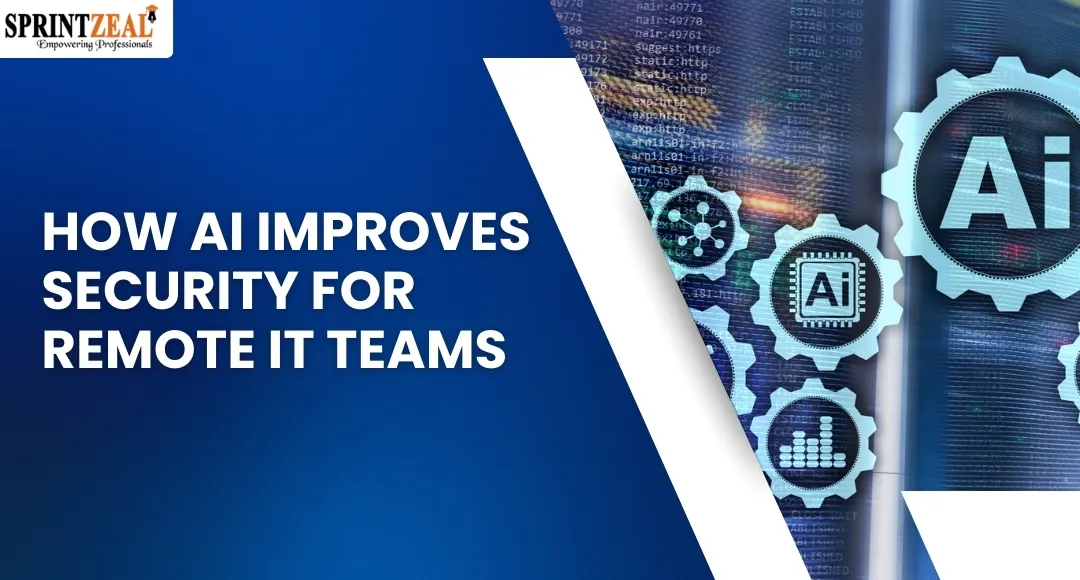
As remote work becomes a permanent fixture in the modern business landscape, IT teams face unprecedented challenges in maintaining security and compliance. The shift away from centralized office environments to distributed remote setups creates new vulnerabilities that traditional compliance frameworks struggle to address. According to a recent report, 60% of businesses experienced an increase in cyberattacks targeting remote workers during the pandemic era. This surge highlights the critical need for enhanced security measures tailored to remote IT operations.
Compliance blind spots, areas where organizations unknowingly fail to meet regulatory or security standards, are particularly prevalent in remote setups. These blind spots often arise due to inconsistent policy enforcement, lack of visibility into remote endpoints, and the complexity of managing diverse devices and networks. Addressing these gaps is essential not only for regulatory adherence but also for safeguarding sensitive data and maintaining customer trust.
One of the biggest hurdles remote IT teams face is the sheer diversity of devices and networks they must manage. Unlike traditional office environments, where IT can control hardware and software configurations centrally, remote teams contend with a broad array of personal and corporate devices, varying network conditions, and inconsistent security postures. This fragmentation creates an expansive attack surface that is difficult to monitor comprehensively, leading to overlooked vulnerabilities.
Moreover, regulatory requirements continue to evolve rapidly. Frameworks such as GDPR, HIPAA, and PCI-DSS impose stringent data protection and privacy standards, with hefty penalties for non-compliance. Remote teams must ensure that their dispersed infrastructure complies with these regulations, which often requires continuous monitoring and auditing. Manual compliance processes, however, cannot keep pace with the dynamic nature of remote environments, making automation essential.
Organizations looking to strengthen their remote IT security posture often turn to specialized services that integrate AI capabilities. For instance, many enterprises benefit from partnering with organizations like Zenetrix for IT, which provide tailored cybersecurity solutions designed to enhance compliance and security monitoring for remote teams.
Artificial Intelligence (AI) has emerged as a powerful ally in the fight against compliance blind spots. By automating the detection and analysis of security risks, AI enables IT teams to proactively identify vulnerabilities before they escalate into breaches. AI-driven tools can monitor network traffic, user behavior, and system configurations in real time, offering continuous compliance assurance even in highly distributed environments.
One key advantage of AI is its ability to process vast amounts of data and detect anomalies that human analysts might miss. For example, AI algorithms can flag unusual login times, suspicious file transfers, or unexpected changes in system settings, which could indicate a compliance violation or security threat. This proactive stance significantly reduces the window of opportunity for attackers and supports faster incident response.
AI also enhances visibility across complex remote environments by aggregating data from multiple sources, endpoints, cloud services, network devices, and correlating events to detect subtle patterns of non-compliance. This holistic insight is critical for uncovering blind spots that traditional monitoring tools might overlook.
According to a study, 75% of IT professionals report that AI has improved their ability to manage complex networks and reduce security incidents. This statistic underscores the growing reliance on AI to shore up defenses in increasingly distributed IT landscapes.
Effective network management is critical for maintaining compliance, especially when IT infrastructure spans multiple remote locations. AI technologies facilitate advanced network segmentation, automated patch management, and real-time threat intelligence updates, ensuring that remote devices remain compliant with organizational policies and industry regulations.
Network segmentation, powered by AI, isolates sensitive systems and limits lateral movement in case of a breach. Automated patch management ensures that vulnerabilities are remediated promptly, a crucial factor given that unpatched software is a leading cause of data breaches. AI-driven threat intelligence continuously updates security policies based on emerging risks, helping remote teams stay ahead of attackers.
Moreover, AI-based network monitoring tools can predict potential failures and vulnerabilities by analyzing historical network data patterns. This predictive capability helps IT teams address issues before they impact system performance or compliance status.
Companies seeking to optimize their network security and compliance often rely on expert partners specializing in network management by Cantey. Such collaborations enable organizations to leverage cutting-edge AI tools and expert insights, enhancing their overall security posture while ensuring compliance with evolving regulations.
In addition to threat detection, AI can automate compliance reporting by collecting and organizing data required for audits. This automation reduces the administrative burden on IT teams and ensures that reports are accurate and up to date, facilitating smoother regulatory inspections.
Remote IT teams face the constant challenge of balancing operational demands with compliance requirements. Manual compliance audits and security checks are time-consuming and prone to error, especially when managing a dispersed workforce. AI automation alleviates these burdens by continuously enforcing policies, automating routine compliance tasks, and generating actionable reports.
By automating compliance workflows, AI reduces the risk of human oversight and accelerates remediation processes. For example, automated compliance reporting tools can instantly compile audit trails and compliance evidence, facilitating smoother regulatory inspections. Additionally, AI-powered chatbots and virtual assistants provide remote IT staff with on-demand support for compliance queries, enhancing knowledge sharing and adherence to best practices.
Recent data indicates that organizations implementing AI-driven compliance automation see a 30% reduction in compliance-related incidents, underscoring the tangible benefits of integrating AI into compliance frameworks.
Furthermore, AI-driven automation can enforce access controls dynamically, adjusting permissions based on real-time risk assessments. This reduces the chance of privilege misuse, a common compliance blind spot in remote environments where users may access sensitive resources from untrusted locations.
AI also streamlines incident response by prioritizing alerts based on severity and context, helping remote IT teams focus on the most critical threats without being overwhelmed by false positives. This efficiency is vital given the limited resources many organizations allocate to remote security operations.
While AI significantly enhances compliance capabilities, human factors remain crucial. Remote teams must cultivate a culture of security awareness to complement AI-driven safeguards. Continuous training and education ensure that employees understand compliance obligations, recognize phishing attempts, and follow secure practices.
AI tools can support this cultural shift by personalizing training content based on user behavior and compliance risks. For example, if AI detects risky behavior patterns, it can prompt targeted training modules to address specific vulnerabilities. This dynamic approach fosters ongoing vigilance and empowers remote teams to act as the first line of defense against compliance breaches.
Encouraging a proactive security mindset also involves regular communication from leadership, clear policies, and incentives for compliance. When employees understand the stakes and feel supported, they are more likely to adhere to security protocols, further reducing blind spots.
Beyond immediate security benefits, AI's role in compliance extends to strategic decision-making. By providing detailed analytics and trend analysis, AI helps organizations identify systemic weaknesses and prioritize investments in security infrastructure.
For example, AI can reveal patterns such as frequent policy violations in certain departments or recurring misconfigurations in specific device types. Armed with this insight, management can tailor policies, allocate resources more effectively, and engage in continuous improvement cycles.
Moreover, AI-driven compliance tools can integrate with governance, risk, and compliance (GRC) platforms to offer end-to-end visibility and control. This integration supports not only IT teams but also auditors, risk managers, and executive leadership, aligning compliance efforts with broader business objectives.
The complexity of securing remote IT environments demands innovative solutions that transcend traditional methods. AI stands out as a transformative technology that exposes compliance blind spots, enhances network security, and automates critical processes. By integrating AI-powered tools and partnering with expert providers, organizations can safeguard their remote IT teams against evolving threats while maintaining rigorous compliance standards.
As remote work continues to evolve, so too must compliance strategies. Embracing AI-driven security frameworks is not just a technological upgrade. It is a strategic imperative for businesses aiming to thrive in an increasingly digital and distributed world.
In summary, the convergence of AI and remote IT security offers a powerful pathway to uncover hidden vulnerabilities, streamline compliance workflows, and foster a resilient security culture. Organizations that leverage these capabilities will be better equipped to understand the complexities of modern regulatory scenes and protect their most valuable assets in an ever-changing threat environment.

Thu, 01 October 2026
Wed, 16 October 2024

Fri, 06 February 2026
Fri, 06 February 2026
Fri, 06 February 2026
Fri, 06 February 2026
Fri, 06 February 2026
Fri, 06 February 2026
Fri, 06 February 2026
© 2026 Sprintzeal Americas Inc. - All Rights Reserved.


 USA : +1315-322-7821
 UK : +44 7700 174870
 IND : +919036108287
 AUS : +61 480 005 455