Outgrowing Microsoft PC Manager? Five Tune-Up Tools That Go Further
Thu, 01 October 2026

Inspirational journeys
Follow the stories of academics and their research expeditions
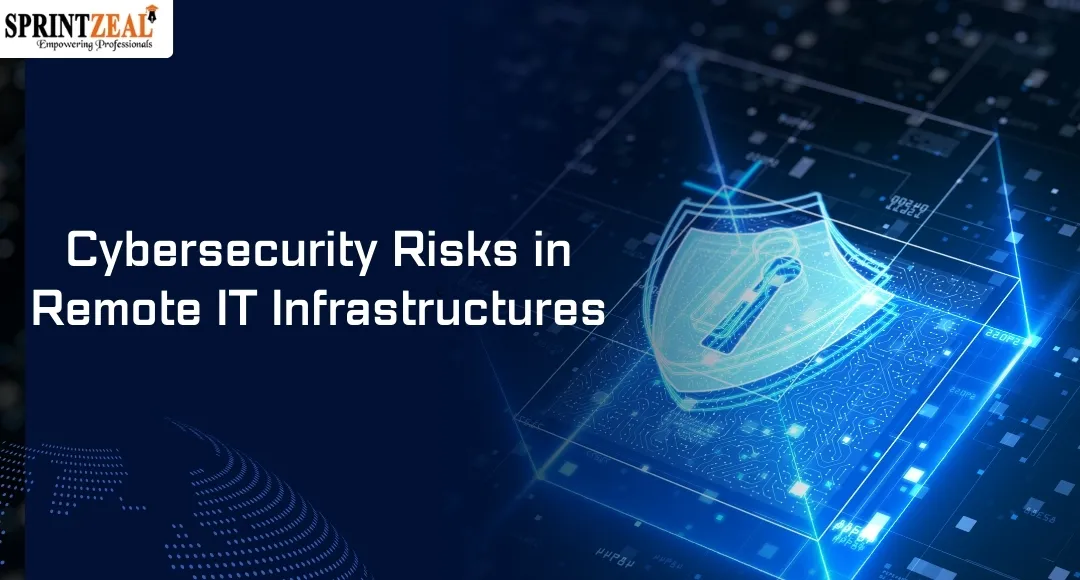
The Rapid Shift to Remote IT and Its Cybersecurity Implications
The global shift towards remote work has transformed the way organizations operate, driving unprecedented expansion of IT infrastructures beyond traditional office environments. This shift, accelerated by technological advancements and the necessity imposed by global events such as the COVID-19 pandemic, has forced companies to rapidly deploy new technologies, cloud services, and remote access solutions to support distributed teams. While this transformation has undeniably boosted flexibility and productivity, it has also introduced a complex web of hidden cybersecurity risks that frequently go unnoticed until a breach occurs.
According to a 2023 report by Cybersecurity Ventures, cybercrime damages are projected to reach $10.5 trillion annually by 2025, highlighting the escalating scale and sophistication of cyber threats facing organizations as they expand their remote IT environments. This staggering figure underscores the urgent need for businesses to identify and mitigate vulnerabilities in their rapidly evolving infrastructures before they become exploited.
The accelerated adoption of remote work has also resulted in a dramatic increase in the number of devices connected to corporate networks. Gartner predicts that by 2024, remote workers will account for over 50% of the global workforce, a significant rise from pre-pandemic levels. This expansion amplifies the attack surface and complexity of managing security across diverse locations, devices, and network environments.
In this context, engaging specialized services such as managed network support in Montreal can provide expert oversight, ensuring that networks remain secure, optimized, and resilient against attacks. Managed service providers bring deep expertise in monitoring traffic, detecting anomalies, and implementing security protocols tailored to an increasingly decentralized IT ecosystem. Their proactive approach helps organizations stay ahead of emerging threats and maintain compliance with evolving regulatory requirements.
One of the primary challenges in managing remote IT infrastructures is their inherent complexity. As companies adopt a myriad of new tools and integrate numerous cloud platforms, the attack surface expands exponentially. Every new connection point, whether a virtual private network (VPN), cloud application, or Internet of Things (IoT) device, introduces potential entry points for cybercriminals seeking to infiltrate systems.
This sprawling ecosystem makes comprehensive security oversight difficult, particularly when IT teams are stretched thin or lack specialized expertise. Organizations often struggle to maintain visibility over all assets and data flows, leading to gaps that attackers can exploit. The integration of third-party services and subcontractors further compounds this challenge, introducing additional layers of risk.
Many cybersecurity risks in remote IT infrastructures are not immediately visible, making them particularly insidious. Shadow IT, where employees use unauthorized apps, devices, or cloud services without IT approval, is a pervasive issue. These unsanctioned tools can create unmonitored vulnerabilities, exposing sensitive data and bypassing established security controls.
Similarly, outdated software and unpatched systems remain common weak points exploited by attackers. The rapid pace of change in remote environments often leads to delays in applying critical security updates, increasing the risk of breaches.
Phishing attacks have also surged in this context, with remote workers becoming prime targets due to their reliance on email and messaging platforms outside traditional corporate networks. A recent study by Proofpoint found that 83% of organizations experienced phishing attacks targeting remote employees in 2022, illustrating how threat actors exploit this expanded attack surface. These attacks often leverage social engineering tactics tailored to remote work scenarios, such as fake video conference invites or urgent password reset requests.
To counter these invisible risks, proactive communication and expert guidance become essential. Enterprises are encouraged to schedule a call with TrustSphere IT to discuss tailored cybersecurity strategies that address unique remote infrastructure challenges. Cybersecurity firms specializing in this niche can help organizations identify blind spots and deploy effective countermeasures, including enhanced monitoring, incident response planning, and employee training programs.
Endpoints, such as laptops, smartphones, and tablets, serve as the frontline in remote IT security. With employees connecting from home networks, public Wi-Fi hotspots, or other unsecured locations, the consistency and strength of endpoint security measures vary widely. This variability creates weak links that attackers can exploit to gain access to corporate resources.
Implementing endpoint detection and response (EDR) solutions is vital in this context. These tools provide continuous monitoring and rapid incident response capabilities, enabling organizations to identify and neutralize threats before they escalate. EDR platforms typically incorporate behavioral analytics and machine learning to detect unusual activities that traditional antivirus software might miss.
Beyond technical controls, fostering user awareness is equally important. Cybersecurity is as much a human challenge as it is a technological one. Regular training and simulated phishing exercises ensure employees recognize suspicious communications and adhere to security best practices. Research by the Ponemon Institute reveals that organizations with effective security awareness programs reduce the risk of social engineering attacks by up to 70%.
Moreover, encouraging a culture of security mindfulness helps employees feel empowered to report potential issues, creating an additional layer of defense.
Cloud services form the backbone of many remote IT infrastructures, providing scalability, flexibility, and accessibility. Yet, they also introduce unique security challenges. Misconfigured cloud storage buckets, inadequate identity and access management (IAM), and insufficient encryption are among the common issues that lead to data breaches.
Research from IBM’s Cost of a Data Breach Report 2023 indicates that breaches involving cloud environments cost companies an average of $5.4 million, higher than the average cost of non-cloud breaches. This emphasizes the necessity for vigilant cloud governance and continuous security assessments.
The shared responsibility model in cloud computing means that while cloud providers secure the infrastructure, organizations remain responsible for securing their data and applications. Failure to understand and manage this division often results in exploitable vulnerabilities.
Implementing strong IAM policies, including multi-factor authentication (MFA) and role-based access controls, is critical. Organizations should also conduct regular audits of cloud configurations and employ automated tools to detect misconfigurations or anomalous activities.
To safeguard rapidly expanding remote IT infrastructures, businesses need a comprehensive and adaptive cybersecurity posture. This approach must be dynamic, evolving alongside emerging threats and technological changes.
Key components include:
- Comprehensive Network Monitoring:
Continuous surveillance of network traffic to detect and respond to anomalies promptly. This includes leveraging advanced analytics and threat intelligence to anticipate potential attacks.
- Strong Identity Management:
Enforcing multi-factor authentication (MFA) and least privilege access controls to minimize unauthorized access risks. Identity governance platforms can help streamline these processes.
- Regular Patch Management:
Ensuring all systems and applications are up to date with the latest security patches. Automated patching solutions reduce the risk of human error and delays.
- Employee Training:
Equipping staff with knowledge to recognize social engineering and phishing threats. Tailored training programs that reflect current threat trends are most effective.
- Engagement with Security Experts:
Partnering with managed security service providers who specialize in remote infrastructure challenges. Their expertise complements internal teams and provides access to cutting-edge tools and practices.
Furthermore, organizations should develop and regularly test incident response plans specifically designed for remote work scenarios. Such plans ensure swift action to contain breaches and minimize damage.
Investing in zero-trust architectures, which operate on the principle of “never trust, always verify,” can further enhance security by continuously validating user identities and device health before granting access.
As organizations continue to embrace remote work and expand their IT infrastructures, hidden cybersecurity risks become an unavoidable reality. The complexity and decentralization inherent in these setups expose businesses to threats that are often invisible until damage is done. Recognizing these vulnerabilities early and adopting a proactive, expert-driven cybersecurity approach is essential.
In a landscape where cyber threats are evolving rapidly, staying ahead requires vigilance, expertise, and a commitment to continuous improvement in security practices. By embracing comprehensive security frameworks, fostering user awareness, and leveraging expert guidance, businesses can confidently navigate the complexities of remote IT infrastructures while safeguarding their most valuable assets.
The Rapid Shift to Remote IT and Its Cybersecurity Implications
The global shift towards remote work has transformed the way organizations operate, driving unprecedented expansion of IT infrastructures beyond traditional office environments. This shift, accelerated by technological advancements and the necessity imposed by global events such as the COVID-19 pandemic, has forced companies to rapidly deploy new technologies, cloud services, and remote access solutions to support distributed teams. While this transformation has undeniably boosted flexibility and productivity, it has also introduced a complex web of hidden cybersecurity risks that frequently go unnoticed until a breach occurs.
According to a 2023 report by Cybersecurity Ventures, cybercrime damages are projected to reach $10.5 trillion annually by 2025, highlighting the escalating scale and sophistication of cyber threats facing organizations as they expand their remote IT environments. This staggering figure underscores the urgent need for businesses to identify and mitigate vulnerabilities in their rapidly evolving infrastructures before they become exploited.
The accelerated adoption of remote work has also resulted in a dramatic increase in the number of devices connected to corporate networks. Gartner predicts that by 2024, remote workers will account for over 50% of the global workforce, a significant rise from pre-pandemic levels. This expansion amplifies the attack surface and complexity of managing security across diverse locations, devices, and network environments.
In this context, engaging specialized services such as managed network support in Montreal can provide expert oversight, ensuring that networks remain secure, optimized, and resilient against attacks. Managed service providers bring deep expertise in monitoring traffic, detecting anomalies, and implementing security protocols tailored to an increasingly decentralized IT ecosystem. Their proactive approach helps organizations stay ahead of emerging threats and maintain compliance with evolving regulatory requirements.
One of the primary challenges in managing remote IT infrastructures is their inherent complexity. As companies adopt a myriad of new tools and integrate numerous cloud platforms, the attack surface expands exponentially. Every new connection point, whether a virtual private network (VPN), cloud application, or Internet of Things (IoT) device, introduces potential entry points for cybercriminals seeking to infiltrate systems.
This sprawling ecosystem makes comprehensive security oversight difficult, particularly when IT teams are stretched thin or lack specialized expertise. Organizations often struggle to maintain visibility over all assets and data flows, leading to gaps that attackers can exploit. The integration of third-party services and subcontractors further compounds this challenge, introducing additional layers of risk.
Many cybersecurity risks in remote IT infrastructures are not immediately visible, making them particularly insidious. Shadow IT, where employees use unauthorized apps, devices, or cloud services without IT approval, is a pervasive issue. These unsanctioned tools can create unmonitored vulnerabilities, exposing sensitive data and bypassing established security controls.
Similarly, outdated software and unpatched systems remain common weak points exploited by attackers. The rapid pace of change in remote environments often leads to delays in applying critical security updates, increasing the risk of breaches.
Phishing attacks have also surged in this context, with remote workers becoming prime targets due to their reliance on email and messaging platforms outside traditional corporate networks. A recent study by Proofpoint found that 83% of organizations experienced phishing attacks targeting remote employees in 2022, illustrating how threat actors exploit this expanded attack surface. These attacks often leverage social engineering tactics tailored to remote work scenarios, such as fake video conference invites or urgent password reset requests.
To counter these invisible risks, proactive communication and expert guidance become essential. Enterprises are encouraged to schedule a call with TrustSphere IT to discuss tailored cybersecurity strategies that address unique remote infrastructure challenges. Cybersecurity firms specializing in this niche can help organizations identify blind spots and deploy effective countermeasures, including enhanced monitoring, incident response planning, and employee training programs.
Endpoints, such as laptops, smartphones, and tablets, serve as the frontline in remote IT security. With employees connecting from home networks, public Wi-Fi hotspots, or other unsecured locations, the consistency and strength of endpoint security measures vary widely. This variability creates weak links that attackers can exploit to gain access to corporate resources.
Implementing endpoint detection and response (EDR) solutions is vital in this context. These tools provide continuous monitoring and rapid incident response capabilities, enabling organizations to identify and neutralize threats before they escalate. EDR platforms typically incorporate behavioral analytics and machine learning to detect unusual activities that traditional antivirus software might miss.
Beyond technical controls, fostering user awareness is equally important. Cybersecurity is as much a human challenge as it is a technological one. Regular training and simulated phishing exercises ensure employees recognize suspicious communications and adhere to security best practices. Research by the Ponemon Institute reveals that organizations with effective security awareness programs reduce the risk of social engineering attacks by up to 70%.
Moreover, encouraging a culture of security mindfulness helps employees feel empowered to report potential issues, creating an additional layer of defense.
Cloud services form the backbone of many remote IT infrastructures, providing scalability, flexibility, and accessibility. Yet, they also introduce unique security challenges. Misconfigured cloud storage buckets, inadequate identity and access management (IAM), and insufficient encryption are among the common issues that lead to data breaches.
Research from IBM’s Cost of a Data Breach Report 2023 indicates that breaches involving cloud environments cost companies an average of $5.4 million, higher than the average cost of non-cloud breaches. This emphasizes the necessity for vigilant cloud governance and continuous security assessments.
The shared responsibility model in cloud computing means that while cloud providers secure the infrastructure, organizations remain responsible for securing their data and applications. Failure to understand and manage this division often results in exploitable vulnerabilities Implementing strong IAM policies, including multi-factor authentication (MFA) and role-based access controls, is critical. Organizations should also conduct regular audits of cloud configurations and employ automated tools to detect misconfigurations or anomalous activities.
To safeguard rapidly expanding remote IT infrastructures, businesses need a comprehensive and adaptive cybersecurity posture. This approach must be dynamic, evolving alongside emerging threats and technological changes.
Key components include:
- Comprehensive Network Monitoring:
Continuous surveillance of network traffic to detect and respond to anomalies promptly. This includes leveraging advanced analytics and threat intelligence to anticipate potential attacks.
- Strong Identity Management:
Enforcing multi-factor authentication (MFA) and least privilege access controls to minimize unauthorized access risks. Identity governance platforms can help streamline these processes.
- Regular Patch Management:
Ensuring all systems and applications are up to date with the latest security patches. Automated patching solutions reduce the risk of human error and delays.
- Employee Training:
Equipping staff with knowledge to recognize social engineering and phishing threats. Tailored training programs that reflect current threat trends are most effective.
- Engagement with Security Experts:
Partnering with managed security service providers who specialize in remote infrastructure challenges. Their expertise complements internal teams and provides access to cutting-edge tools and practices.
Furthermore, organizations should develop and regularly test incident response plans specifically designed for remote work scenarios. Such plans ensure swift action to contain breaches and minimize damage.
Investing in zero-trust architectures, which operate on the principle of “never trust, always verify,” can further enhance security by continuously validating user identities and device health before granting access.
As organizations continue to embrace remote work and expand their IT infrastructures, hidden cybersecurity risks become an unavoidable reality. The complexity and decentralization inherent in these setups expose businesses to threats that are often invisible until damage is done. Recognizing these vulnerabilities early and adopting a proactive, expert-driven cybersecurity approach is essential.
In a landscape where cyber threats are evolving rapidly, staying ahead requires vigilance, expertise, and a commitment to continuous improvement in security practices. By embracing comprehensive security frameworks, fostering user awareness, and leveraging expert guidance, businesses can confidently navigate the complexities of remote IT infrastructures while safeguarding their most valuable assets.

Thu, 01 October 2026
Wed, 16 October 2024

Fri, 06 February 2026
Fri, 06 February 2026
Fri, 06 February 2026
Fri, 06 February 2026
Fri, 06 February 2026
Fri, 06 February 2026
Fri, 06 February 2026

© 2026 Sprintzeal Americas Inc. - All Rights Reserved.


 USA : +1315-322-7821
 UK : +44 7700 174870
 IND : +919036108287
 AUS : +61 480 005 455