Outgrowing Microsoft PC Manager? Five Tune-Up Tools That Go Further
Thu, 01 October 2026

Inspirational journeys
Follow the stories of academics and their research expeditions
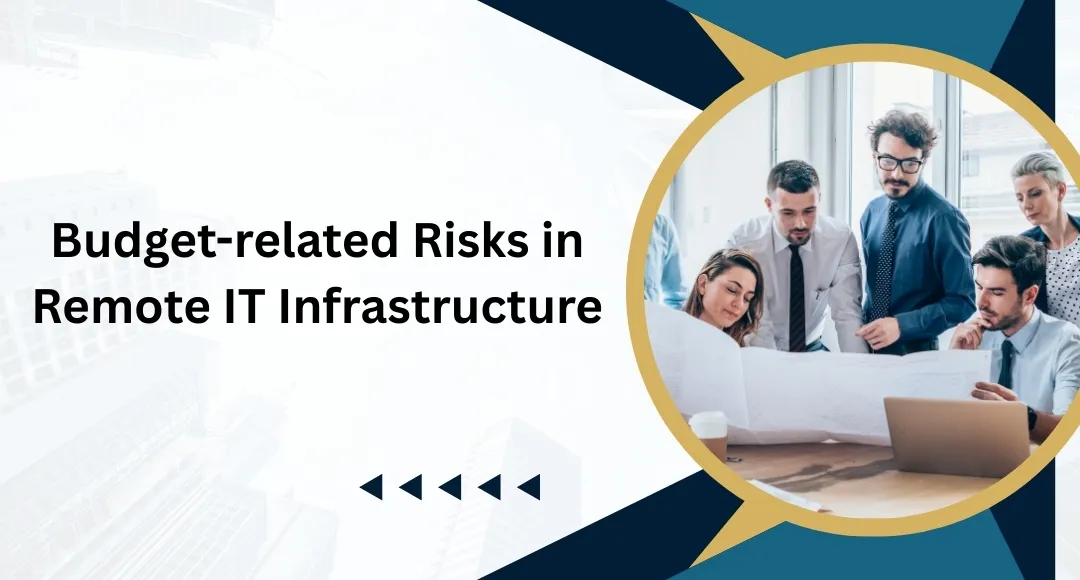
The Growing Complexity of Remote IT Infrastructure
As organizations increasingly adopt remote work models, managing IT infrastructure remotely has become a critical business function. This shift, while offering flexibility and expanded talent pools, introduces numerous hidden costs that often escape initial budget forecasts. Understanding these budgetary pitfalls is essential for businesses to optimize their investment and maintain operational efficiency.
Remote IT infrastructure management involves overseeing hardware, software, networks, and security protocols from off-site locations. While cloud technologies and remote management tools have simplified some aspects, they bring a new layer of complexity in terms of resource allocation, monitoring, and security. Failure to account for these nuances can lead to unexpected expenses and operational disruptions.
The rise of remote IT management has been fueled by the rapid expansion of cloud services and the increasing reliance on distributed networks. According to a report by Flexera, 93% of enterprises use multiple cloud platforms, which adds complexity to budget management. Managing these environments remotely requires not only technological tools but also a robust financial plan that anticipates both direct and indirect costs.
One of the less obvious yet critical financial challenges is ensuring continuous visibility into the infrastructure's health. Remote setups often rely on remote monitoring and management (RMM) tools that come with licensing fees and require skilled personnel to interpret data and act promptly. Overlooking these factors can lead to underestimated operational budgets and unexpected financial strain.
As mentioned by Power Consulting, many organizations underestimate the resources required to secure their infrastructure adequately. Investing in comprehensive cybersecurity solutions is no longer optional; it is a necessity that directly impacts the overall budget. The cost of a data breach, including legal fees, reputational damage, and system recovery, can far exceed the investment in preventive measures.
One of the most significant challenges in budgeting for remote IT infrastructure is the invisibility of certain costs until they manifest as problems. For example, cybersecurity risks are a major concern. Remote environments often increase vulnerability to cyberattacks due to less-controlled network access and the use of personal devices for work purposes.
To put this into perspective, IBM’s Cost of a Data Breach Report 2023 reveals that the average cost of a data breach reached $4.45 million globally, marking a 2.3% increase from the previous year. This staggering figure highlights why organizations must allocate sufficient budgetary resources to cybersecurity upfront rather than reacting to breaches after they occur.
Additionally, the need for continuous monitoring and management of distributed assets can strain IT teams. Remote management tools may require licensing fees, and IT staff might need additional training to operate new platforms efficiently. These costs often remain off the radar during initial planning stages.
Moreover, remote IT infrastructure often demands investments in endpoint security solutions to protect devices that connect remotely. Implementing virtual private networks (VPNs), multi-factor authentication (MFA), and zero-trust security models incur recurring expenses that must be factored into the budget. Neglecting these can lead to vulnerabilities that result in costly incidents down the line.
Managing relationships with multiple vendors adds another layer of complexity. Remote IT infrastructure often involves various third-party providers, from cloud services to cybersecurity vendors. Each contract comes with its own set of fees, which can accumulate rapidly if not carefully tracked.
PrimeWave IT’s official site highlights the importance of selecting vendors with transparent pricing models and scalable solutions. Vendor lock-in and unexpected license renewals can significantly inflate budgets if organizations are not vigilant. Regular audits and renegotiations are necessary to keep costs under control.
Vendor management also includes monitoring service-level agreements (SLAs) to ensure vendors meet performance and security standards. Failure to enforce SLAs can result in penalties or service disruptions that have financial consequences. Organizations should incorporate vendor performance reviews into their budgeting process to anticipate potential cost adjustments.
Additionally, licensing fees for software and management tools can escalate as organizations scale their remote infrastructure. Subscription models based on user counts or data volumes may seem affordable initially, but can become substantial expenses over time. Budget planners must analyze licensing structures carefully and consider options for volume discounts or enterprise agreements.
Network performance is another critical factor influencing budgetary decisions. Remote IT infrastructure relies heavily on internet connectivity, and any degradation in service quality can lead to productivity losses and increased support costs. Organizations frequently fail to budget for enhanced bandwidth or redundancy solutions necessary to ensure seamless operations.
Downtime is a costly consequence of inadequate infrastructure management. According to a report by Gartner, the average cost of IT downtime is $5,600 per minute, emphasizing the financial impact of unplanned outages. Investing in proactive maintenance and rapid incident response capabilities is crucial, yet these expenses are often underestimated.
Furthermore, network latency and connectivity issues in remote environments can reduce employee productivity significantly. A study by Cisco found that 40% of remote workers reported network issues as a major obstacle to their performance. These hidden productivity losses translate into indirect financial costs that compound the direct expenses of network management.
To mitigate these risks, companies must budget for high-quality internet service providers, backup connections, and performance monitoring tools. These investments help ensure business continuity but require careful financial planning to avoid unexpected overruns.
The transition to remote IT infrastructure management demands a workforce with specialized skills. Hiring or upskilling staff to handle remote monitoring, cybersecurity, and cloud management can be expensive. These personnel costs, including salaries, certifications, and ongoing training, are often overlooked in budget planning.
Moreover, employee turnover in IT roles can lead to additional recruitment and onboarding expenses. Investing in employee retention strategies and continuous professional development can mitigate these hidden costs and ensure stable infrastructure management.
A report by CompTIA found that 56% of IT organizations cited skills gaps as a major barrier to effective IT management, with training budgets often lagging behind organizational needs. This gap underscores the necessity of allocating sufficient funds for ongoing education and certification programs tailored to remote IT management challenges.
Furthermore, remote IT teams may require collaboration and communication tools that support distributed workflows. Licensing and maintaining these platforms add to operational expenses but are vital for maintaining productivity and coordination across dispersed teams.
To avoid falling into these budgetary traps, organizations should adopt a comprehensive approach to remote IT infrastructure management. This includes:
Conducting thorough risk assessments to identify potential security vulnerabilities and performance bottlenecks. Regular audits help uncover hidden costs before they escalate.
Implementing robust monitoring tools that provide real-time insights into system health and network performance. These tools enable proactive issue resolution and efficient resource allocation.
Engaging in strategic vendor management to ensure cost-effectiveness and service quality. Transparent contracts and regular reviews can prevent unexpected expenses.
Allocating sufficient resources for staff training and retention to maintain a skilled and motivated IT team. Investing in talent development reduces turnover-related costs.
Planning for scalability: Recognizing that infrastructure needs will evolve as the organization grows. Flexible budgeting accommodates new technologies and increased user demands.
By proactively addressing these areas, businesses can create more accurate budgets that reflect the true cost of remote IT infrastructure management.
Looking ahead, the trend toward hybrid work models and digital transformation will only increase the complexity of managing IT infrastructure remotely. Organizations must stay informed about emerging technologies and evolving cybersecurity threats to adapt their budgeting strategies accordingly.
Data from Statista reveals that global spending on IT security is expected to reach $170.4 billion by 2026, underscoring the growing financial commitment required to safeguard digital assets. This trend highlights the necessity for businesses to integrate security costs into their core budgeting processes rather than treating them as ancillary expenses.
Moreover, the rise of artificial intelligence (AI) and automation tools in IT management promises efficiency gains but also requires upfront investment. Incorporating these technologies into budgets can reduce long-term operational costs but demands careful financial planning during adoption phases.
In conclusion, unveiling the invisible budgetary pitfalls in remote IT infrastructure management is critical for sustaining business resilience and competitiveness. By understanding and planning for these hidden costs, organizations can better understand the complexities of remote IT environments and achieve long-term operational success. As remote work continues to evolve, so too must the strategies and budgets that support its foundational IT infrastructure.
The Growing Complexity of Remote IT Infrastructure
As organizations increasingly adopt remote work models, managing IT infrastructure remotely has become a critical business function. This shift, while offering flexibility and expanded talent pools, introduces numerous hidden costs that often escape initial budget forecasts. Understanding these budgetary pitfalls is essential for businesses to optimize their investment and maintain operational efficiency.
Remote IT infrastructure management involves overseeing hardware, software, networks, and security protocols from off-site locations. While cloud technologies and remote management tools have simplified some aspects, they bring a new layer of complexity in terms of resource allocation, monitoring, and security. Failure to account for these nuances can lead to unexpected expenses and operational disruptions.
The rise of remote IT management has been fueled by the rapid expansion of cloud services and the increasing reliance on distributed networks. According to a report by Flexera, 93% of enterprises use multiple cloud platforms, which adds complexity to budget management. Managing these environments remotely requires not only technological tools but also a robust financial plan that anticipates both direct and indirect costs.
One of the less obvious yet critical financial challenges is ensuring continuous visibility into the infrastructure's health. Remote setups often rely on remote monitoring and management (RMM) tools that come with licensing fees and require skilled personnel to interpret data and act promptly. Overlooking these factors can lead to underestimated operational budgets and unexpected financial strain.
As mentioned by Power Consulting, many organizations underestimate the resources required to secure their infrastructure adequately. Investing in comprehensive cybersecurity solutions is no longer optional; it is a necessity that directly impacts the overall budget. The cost of a data breach, including legal fees, reputational damage, and system recovery, can far exceed the investment in preventive measures.
One of the most significant challenges in budgeting for remote IT infrastructure is the invisibility of certain costs until they manifest as problems. For example, cybersecurity risks are a major concern. Remote environments often increase vulnerability to cyberattacks due to less-controlled network access and the use of personal devices for work purposes.
To put this into perspective, IBM’s Cost of a Data Breach Report 2023 reveals that the average cost of a data breach reached $4.45 million globally, marking a 2.3% increase from the previous year. This staggering figure highlights why organizations must allocate sufficient budgetary resources to cybersecurity upfront rather than reacting to breaches after they occur.
Additionally, the need for continuous monitoring and management of distributed assets can strain IT teams. Remote management tools may require licensing fees, and IT staff might need additional training to operate new platforms efficiently. These costs often remain off the radar during initial planning stages.
Moreover, remote IT infrastructure often demands investments in endpoint security solutions to protect devices that connect remotely. Implementing virtual private networks (VPNs), multi-factor authentication (MFA), and zero-trust security models incur recurring expenses that must be factored into the budget. Neglecting these can lead to vulnerabilities that result in costly incidents down the line.
Managing relationships with multiple vendors adds another layer of complexity. Remote IT infrastructure often involves various third-party providers, from cloud services to cybersecurity vendors. Each contract comes with its own set of fees, which can accumulate rapidly if not carefully tracked.
PrimeWave IT’s official site highlights the importance of selecting vendors with transparent pricing models and scalable solutions. Vendor lock-in and unexpected license renewals can significantly inflate budgets if organizations are not vigilant. Regular audits and renegotiations are necessary to keep costs under control.
Vendor management also includes monitoring service-level agreements (SLAs) to ensure vendors meet performance and security standards. Failure to enforce SLAs can result in penalties or service disruptions that have financial consequences. Organizations should incorporate vendor performance reviews into their budgeting process to anticipate potential cost adjustments.
Additionally, licensing fees for software and management tools can escalate as organizations scale their remote infrastructure. Subscription models based on user counts or data volumes may seem affordable initially, but can become substantial expenses over time. Budget planners must analyze licensing structures carefully and consider options for volume discounts or enterprise agreements.
Network performance is another critical factor influencing budgetary decisions. Remote IT infrastructure relies heavily on internet connectivity, and any degradation in service quality can lead to productivity losses and increased support costs. Organizations frequently fail to budget for enhanced bandwidth or redundancy solutions necessary to ensure seamless operations.
Downtime is a costly consequence of inadequate infrastructure management. According to a report by Gartner, the average cost of IT downtime is $5,600 per minute, emphasizing the financial impact of unplanned outages. Investing in proactive maintenance and rapid incident response capabilities is crucial, yet these expenses are often underestimated.
Furthermore, network latency and connectivity issues in remote environments can reduce employee productivity significantly. A study by Cisco found that 40% of remote workers reported network issues as a major obstacle to their performance. These hidden productivity losses translate into indirect financial costs that compound the direct expenses of network management.
To mitigate these risks, companies must budget for high-quality internet service providers, backup connections, and performance monitoring tools. These investments help ensure business continuity but require careful financial planning to avoid unexpected overruns.
The transition to remote IT infrastructure management demands a workforce with specialized skills. Hiring or upskilling staff to handle remote monitoring, cybersecurity, and cloud management can be expensive. These personnel costs, including salaries, certifications, and ongoing training, are often overlooked in budget planning.
Moreover, employee turnover in IT roles can lead to additional recruitment and onboarding expenses. Investing in employee retention strategies and continuous professional development can mitigate these hidden costs and ensure stable infrastructure management.
A report by CompTIA found that 56% of IT organizations cited skills gaps as a major barrier to effective IT management, with training budgets often lagging behind organizational needs. This gap underscores the necessity of allocating sufficient funds for ongoing education and certification programs tailored to remote IT management challenges.
Furthermore, remote IT teams may require collaboration and communication tools that support distributed workflows. Licensing and maintaining these platforms add to operational expenses but are vital for maintaining productivity and coordination across dispersed teams.
To avoid falling into these budgetary traps, organizations should adopt a comprehensive approach to remote IT infrastructure management. This includes:
By proactively addressing these areas, businesses can create more accurate budgets that reflect the true cost of remote IT infrastructure management.
Looking ahead, the trend toward hybrid work models and digital transformation will only increase the complexity of managing IT infrastructure remotely. Organizations must stay informed about emerging technologies and evolving cybersecurity threats to adapt their budgeting strategies accordingly.
Data from Statista reveals that global spending on IT security is expected to reach $170.4 billion by 2026, underscoring the growing financial commitment required to safeguard digital assets. This trend highlights the necessity for businesses to integrate security costs into their core budgeting processes rather than treating them as ancillary expenses.
Moreover, the rise of artificial intelligence (AI) and automation tools in IT management promises efficiency gains but also requires upfront investment. Incorporating these technologies into budgets can reduce long-term operational costs but demands careful financial planning during adoption phases.
In conclusion, unveiling the invisible budgetary pitfalls in remote IT infrastructure management is critical for sustaining business resilience and competitiveness. By understanding and planning for these hidden costs, organizations can better understand the complexities of remote IT environments and achieve long-term operational success. As remote work continues to evolve, so too must the strategies and budgets that support its foundational IT infrastructure.

Thu, 01 October 2026
Wed, 16 October 2024

Fri, 06 February 2026

Fri, 06 February 2026

Fri, 06 February 2026

Fri, 06 February 2026
Fri, 06 February 2026
Fri, 06 February 2026
Fri, 06 February 2026

© 2026 Sprintzeal Americas Inc. - All Rights Reserved.


 USA : +1315-322-7821
 UK : +44 7700 174870
 IND : +919036108287
 AUS : +61 480 005 455