Inspirational journeys
Follow the stories of academics and their research expeditions
Why Certification in Risk and Compliance Is Critical in Today’s Financial World
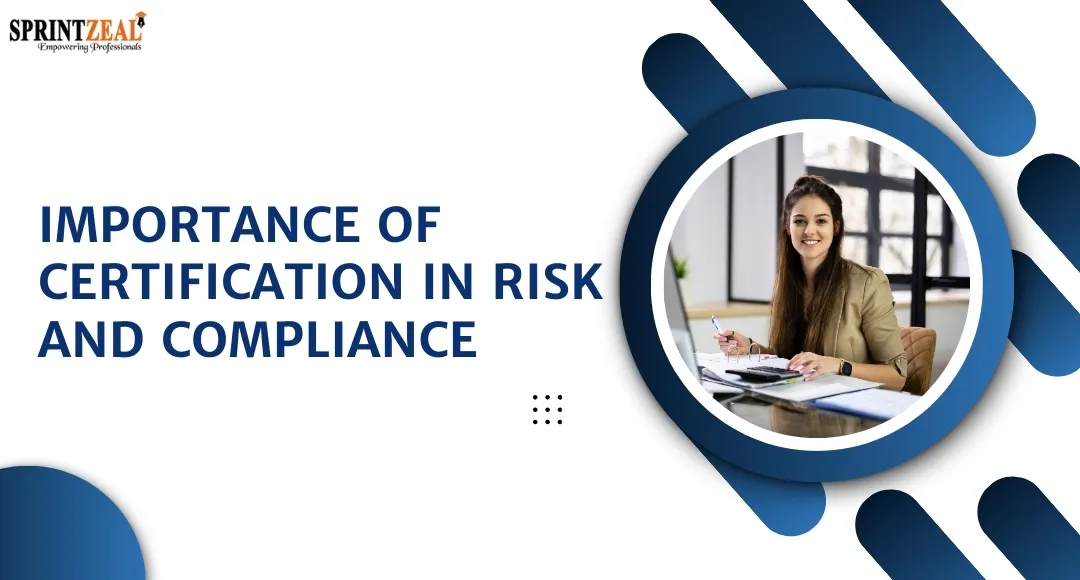
Digital transformation, increased regulation, and increased exposure to financial crime are accelerating the pace of change in the financial world to the extent that few industries can keep up. With the increasing use of data, automation and global payment systems, fraud, money laundering, and regulatory violations associated with organizations increase. Within this landscape, the professionals, who are aware of both regulatory frameworks and technologies underpinning these regulations, are becoming more of a prize, particularly as enterprises will leverage the tools, such as the NICE Actimize solution, to enhance compliance re-engineering efforts and safeguard financial ecosystems.
Table of Contents
The Expanding Complexity of Financial Risk
Today financial risk extends way beyond the conventional credit or market imperatives. Operational risk, cyber threats, regulatory risk, and reputational exposure are the new risk types that institutions have to deal with at the same time. This complexity implies that decision-makers require specialists to be able to read regulations, evaluate the vulnerabilities, and deploy the controls that are aligned with business goals.
Financial risk and compliance certifications are structured pieces of knowledge that enable professionals to learn the interaction of these risks with each other. They fill this gap between theory and practice as they educate how frameworks, controls, and governance models operate in practice. It is on this basis that organizations usually find it hard to keep pace with regulatory requirements and advancing threats.
Professionals who are certified can also be in a better position to be proactive in terms of risk anticipation as opposed to reacting to it. Knowledge of risk assessment tools and auditing protocol of adherence is applicable in keeping organizations proactive in a progressively unpredictable financial environment.
Regulatory Pressure and Accountability Are Increasing
The financial regulations related to the world are still broadening their areas of application and their effectiveness, which puts more responsibility on organizations and their management. Regulators would also require firms to show compliance and evident risk management processes, training and internal controls. This has increased the compliance team standards within the financial world.
Risk and compliance certification implies that a professional is knowledgeable of regulatory requirements and enforces them on a regular basis. It reveals that they know both the requirements of the audit, reporting standards, and the governance structures sought by regulators in the course of reviews and investigations. This credibility is also critical in keeping the stakeholders at bay.
Having certified professionals in organizations puts them in a better position in responding efficiently to changes in regulation. Trained teams can be effective to adjust the policies and procedures instead of scrambling to interpret new rules and generate less disruption and possible penalties.
Technology and Compliance Are Now Intertwined
In the contemporary world, compliance is largely dependent on technology as a way of tracking transactions and identifying suspicious behavior as well as dealing with huge amounts of data. The scale and pace of the financial activity can no longer be managed using manual processes. Consequently, risk and compliance specialists need to know how technology can facilitate the regulatory goals.
The emergence of data analytics, automated monitoring, and digital risk management are some of the topics included in certification programs. This expertise enables practitioners to operate on sophisticated compliance systems and comprehend the operation of alerts, scoring models and investigations. It makes them also communicate more efficiently with technical teams.
Companies become well supervised when those in charge of them know compliance requirements and supporting technology. This alignment will help to make sure that the systems are set in the proper way, the threats are detected in time, and the compliance strategies will be efficient and can be changed as the technology is changing.
Certifications Support Career Growth and Organizational Value
On a personal level, risk- and compliance-certification might contribute to securing a better career in a substantially better way. Employers are also interested in professionals who are willing to engage in lifelong learning and embrace professionalism. The certification is a good demonstration of competence and the ability to cope with complicated tasks.
To organizations, professional teams add value that is quantifiable. They minimize the chances of regulatory violations, enhance audit performance, and enhance risk governance in general. This translates to reduced financial exposure and more confidence of the partners and customers.
Leadership development in organizations is also facilitated through certification. Formally trained professionals have an advantage when it comes to assuming senior positions that require strategic determination, risk management, and regulation.
Developing the Culture of Compliance by Education
Knowledgeable people are a good beginning of a strong compliance culture. Certifications assist in setting a common language and understanding within teams and hence compliance is easily incorporated in day-to-day operations. The employees have better chances of observing controls when they are aware of the reason why they are in place.
Ethical decision making is also promoted by education through certification. Risk and compliance programs promote integrity, accountability, and transparency which are qualities that are important in the financial world. These values enable organizations to have resilience in case of misconduct and failures in their operations.
Gradually, such culture eliminates reliance on reactive controls and external regimes. Rather, compliance will be incorporated to the running of the organization, and this is motivated by the learned professionals who know risk and responsibility.
Getting ready to the Future of Financial Services
Innovation, regulation and global interconnectedness will continue to influence the future of financial services. New payment options, digital assets, and data motivated services will bring about new risk types that will demand particular expertise. Certification enables the professionals to remain relevant during such changes.
Risk and compliance training are also designed to equip the organizations with long term sustainability. Business can change more readily to regulatory changes and technological developments by investing in professionals. This is very flexible to remain competitive in a volatile environment.
The need to have certified risk and compliance professionals will only grow as financial systems are being complexified. The individuals, who have the identifiable credentials, will be instrumental in leading organizations in times of uncertainty and development.
Conclusion
Risk and compliance certification is no longer a choice in the contemporary financial environment. It equips professionals with the expertise and the confidence to handle difficult risks, address regulatory anticipations, and collaborate well with new compliance technology. To organizations, certified teams enhance governance, create less exposure, and foster sustainable expansion. With the constant changes in financial issues, investment in risk and compliance certification has been one of the most effective in securing both career and institutions in the highly regulated worldwide economy.
Table of Contents
- Introduction
- The Expanding Complexity of Financial Risk
- Regulatory Pressure and Accountability Are Increasing
- Technology and Compliance Are Now Intertwined
- Certifications Support Career Growth and Organizational Value
- Developing the Culture of Compliance by Education
- Getting ready to the Future of Financial Services
- Conclusion
Introduction
Digital transformation, increased regulation, and increased exposure to financial crime are accelerating the pace of change in the financial world to the extent that few industries can keep up. With the increasing use of data, automation and global payment systems, fraud, money laundering, and regulatory violations associated with organizations increase. Within this landscape, the professionals, who are aware of both regulatory frameworks and technologies underpinning these regulations, are becoming more of a prize, particularly as enterprises will leverage the tools, such as the NICE Actimize solution, to enhance compliance re-engineering efforts and safeguard financial ecosystems.
The Expanding Complexity of Financial Risk
Today financial risk extends way beyond the conventional credit or market imperatives. Operational risk, cyber threats, regulatory risk, and reputational exposure are the new risk types that institutions have to deal with at the same time. This complexity implies that decision-makers require specialists to be able to read regulations, evaluate the vulnerabilities, and deploy the controls that are aligned with business goals.
Financial risk and compliance certifications are structured pieces of knowledge that enable professionals to learn the interaction of these risks with each other. They fill this gap between theory and practice as they educate how frameworks, controls, and governance models operate in practice. It is on this basis that organizations usually find it hard to keep pace with regulatory requirements and advancing threats.
Professionals who are certified can also be in a better position to be proactive in terms of risk anticipation as opposed to reacting to it. Knowledge of risk assessment tools and auditing protocol of adherence is applicable in keeping organizations proactive in a progressively unpredictable financial environment.
Regulatory Pressure and Accountability Are Increasing
The financial regulations related to the world are still broadening their areas of application and their effectiveness, which puts more responsibility on organizations and their management. Regulators would also require firms to show compliance and evident risk management processes, training and internal controls. This has increased the compliance team standards within the financial world.
Risk and compliance certification implies that a professional is knowledgeable of regulatory requirements and enforces them on a regular basis. It reveals that they know both the requirements of the audit, reporting standards, and the governance structures sought by regulators in the course of reviews and investigations. This credibility is also critical in keeping the stakeholders at bay.
Having certified professionals in organizations puts them in a better position in responding efficiently to changes in regulation. Trained teams can be effective to adjust the policies and procedures instead of scrambling to interpret new rules and generate less disruption and possible penalties.
Technology and Compliance Are Now Intertwined
In the contemporary world, compliance is largely dependent on technology as a way of tracking transactions and identifying suspicious behavior as well as dealing with huge amounts of data. The scale and pace of the financial activity can no longer be managed using manual processes. Consequently, risk and compliance specialists need to know how technology can facilitate the regulatory goals.
The emergence of data analytics, automated monitoring, and digital risk management are some of the topics included in certification programs. This expertise enables practitioners to operate on sophisticated compliance systems and comprehend the operation of alerts, scoring models and investigations. It makes them also communicate more efficiently with technical teams.
Companies become well supervised when those in charge of them know compliance requirements and supporting technology. This alignment will help to make sure that the systems are set in the proper way, the threats are detected in time, and the compliance strategies will be efficient and can be changed as the technology is changing.
Certifications Support Career Growth and Organizational Value
On a personal level, risk- and compliance-certification might contribute to securing a better career in a substantially better way. Employers are also interested in professionals who are willing to engage in lifelong learning and embrace professionalism. The certification is a good demonstration of competence and the ability to cope with complicated tasks.
To organizations, professional teams add value that is quantifiable. They minimize the chances of regulatory violations, enhance audit performance, and enhance risk governance in general. This translates to reduced financial exposure and more confidence of the partners and customers.
Leadership development in organizations is also facilitated through certification. Formally trained professionals have an advantage when it comes to assuming senior positions that require strategic determination, risk management, and regulation.
Developing the Culture of Compliance by Education
Knowledgeable people are a good beginning of a strong compliance culture. Certifications assist in setting a common language and understanding within teams and hence compliance is easily incorporated in day-to-day operations. The employees have better chances of observing controls when they are aware of the reason why they are in place.
Ethical decision making is also promoted by education through certification. Risk and compliance programs promote integrity, accountability, and transparency which are qualities that are important in the financial world. These values enable organizations to have resilience in case of misconduct and failures in their operations.
Gradually, such culture eliminates reliance on reactive controls and external regimes. Rather, compliance will be incorporated to the running of the organization, and this is motivated by the learned professionals who know risk and responsibility.
Getting ready to the Future of Financial Services
Innovation, regulation and global interconnectedness will continue to influence the future of financial services. New payment options, digital assets, and data motivated services will bring about new risk types that will demand particular expertise. Certification enables the professionals to remain relevant during such changes.
Risk and compliance training are also designed to equip the organizations with long term sustainability. Business can change more readily to regulatory changes and technological developments by investing in professionals. This is very flexible to remain competitive in a volatile environment.
The need to have certified risk and compliance professionals will only grow as financial systems are being complexified. The individuals, who have the identifiable credentials, will be instrumental in leading organizations in times of uncertainty and development.
Conclusion
Risk and compliance certification is no longer a choice in the contemporary financial environment. It equips professionals with the expertise and the confidence to handle difficult risks, address regulatory anticipations, and collaborate well with new compliance technology. To organizations, certified teams enhance governance, create less exposure, and foster sustainable expansion. With the constant changes in financial issues, investment in risk and compliance certification has been one of the most effective in securing both career and institutions in the highly regulated worldwide economy.

Categories
Related Posts
Ways to Make the Most of a Free Trial Before Paying for a VPN
Mon, 29 June 2026

Top BYOD Security Risks Every Business Should Know
Wed, 29 April 2026

IBM Data Breach: Is IBM Really Breach-Proof?
Tue, 03 December 2024

What Is Secure Access Service Edge (SASE)?
Tue, 15 October 2024

How to Stay Cyber-Secure in Work and Personal Life (Tips and Practices)
Wed, 23 October 2024

Target Cyber Attack: Key Lessons from the 2013 Data Breach
Sun, 09 August 2026

LinkedIn User Data Protection Explained
Tue, 10 December 2024

What Innovative Measures Did Reddit Take to Protect User Data?
Fri, 18 September 2026



 USA : +1315-322-7821
 UK : +44 7700 174870
 IND : +919036108287
 AUS : +61 480 005 455