Inspirational journeys
Follow the stories of academics and their research expeditions
How to Protect Your Data When Traveling to Countries Like Malaysia?
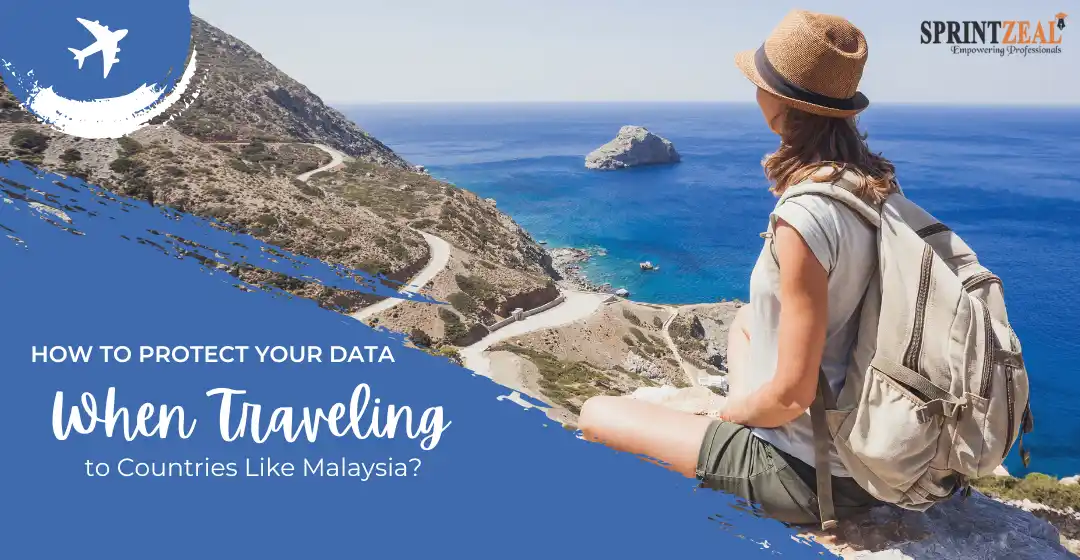
Visiting new locations, getting to know the culture, and having adventures of unimaginable proportions, traveling to Malaysia is one of the best decisions you can make. Your security while online is one of the most important things. There are a couple of easy things you can do to mitigate risk and protect your personal data.
Protect the Devices Before You Leave
Ready your phone, laptop and tablet before you take off. Please ensure that you update all your applications and operating systems. Enable automatic updates to protect yourself against new risks. In improving security, passwords or passphrases are employed, with biometric entries such as fingerprints or facial recognition also being used.
You may also want to back up your data to the cloud on a secure server or a disk have an encrypted copy of your files. That way, if your device goes missing, you are information stays secure.
Use Public Wi-Fi with Care
It’s pretty common to find free Wi-Fi in places like airports and hotels. But that cannot be considered “safe” to use. Thieves can get your information when you use a common Wi-Fi. For caution, avoid using personal accounts, such as bank applications, on a shared network.
Use a VPN to stay safe and cover the sites that you are visiting. You can use the VPN on your mobile phone as an alternative when you do not have a VPN. With a Malaysia tourist esim, you are able to remain connected to the world without the need to use the unsafe public Wi-Fi.
Take Extra Steps to Keep Your Accounts Safe
Two-factor authentication (2FA) is one of the most effective methods of keeping your accounts secure. Social media, email, and banking tools should be enabled. Someone may get your password, but not access without the second code.
A password manager would help you to record all the various, difficult-to-crack passwords you have on all your accounts. This reduces the chances of losing access when someone enters the wrong login.
Watch Out for Scams and False Links
You may receive emails or text messages while you are away. They look real at first, but they are made to steal your data. Some of them use logos or names that seem trusted. Others push you to click fast without thinking much.
It’s better to slow down and check the sender carefully. Don’t give personal info to links you don’t know. Simply disregard the message if you are unsure. Being so cautious like this can help you clear of major problems down the road. In order to remain safe, do not open links in either texts or emails that require personal details. Always verify the information of senders and do not accept items from people you are not well acquainted with.
When booking things online, use approved apps or websites you know you can rely on. Monitor your credit card transactions so that you can easily identify any transactions that do not appear to be right.
Protect Devices from Harm
Don’t put your electronics in your checked bags; use your carry-on bags. Keep your laptop or hard drive in the hotel safe when you are not using it. When you are in a place of crowds, then hold your mobile phone close to yourself, and never leave it on the table or the bar by itself.
Ensure as much as you can that your devices are online-traced and wiped. This will enable you to erase your files in case somebody steals your gadget. Wearing a good case and screen cover is also a way of keeping your phone out of trouble when you drop it.
Smartly Use the Local Amenities
Keep in touch when you are on the move in Malaysia. You do not need to change SIM cards to use apps such as maps, guides, and translators with a Malaysia tourist eSIM. It also renders the use of non-safe public networks less critical. Nevertheless, be aware of the personal information you post online and only provide it to apps with the necessary rights.
Reviews are important before you download any new apps to use on your trip, and make sure the privacy settings are correct. The services you choose may help keep your information secure and ensure a successful, stress-free journey.
Daily Checklist for Digital Safety
Small everyday habits are useful in safeguarding your data when traveling:
- Lock devices when not in use
- Use VPNs for public Wi-Fi
- Sometimes bring a portable charger rather than random ones.
- Sign out after each session
- Check bank accounts often
- Switch off the location and Bluetooth when unnecessary.
With these guidelines in mind, you will ensure that nothing sensitive is leaked during travel. Exploring Malaysia is a great experience, but, like anything digital, make sure to keep yourself secure. Utilizing applications such as a Malaysia tourist esim also allows you to remain connected safely without using unsafe networks. When you plan and develop superior habits, you can sleep and have fun on your trip, knowing your data is secure.
Table of Contents
- Introduction
- Protect the Devices Before You Leave
- Use Public Wi-Fi with Care
- Take Extra Steps to Keep Your Accounts Safe
- Watch Out for Scams and False Links
- Protect Devices from Harm
- Smartly Use the Local Amenities
- Daily Checklist for Digital Safety
Introduction
Visiting new locations, getting to know the culture, and having adventures of unimaginable proportions, traveling to Malaysia is one of the best decisions you can make. Your security while online is one of the most important things. There are a couple of easy things you can do to mitigate risk and protect your personal data.
Protect the Devices Before You Leave
Ready your phone, laptop and tablet before you take off. Please ensure that you update all your applications and operating systems. Enable automatic updates to protect yourself against new risks. In improving security, passwords or passphrases are employed, with biometric entries such as fingerprints or facial recognition also being used.
You may also want to back up your data to the cloud on a secure server or a disk have an encrypted copy of your files. That way, if your device goes missing, you are information stays secure.
Use Public Wi-Fi with Care
It’s pretty common to find free Wi-Fi in places like airports and hotels. But that cannot be considered “safe” to use. Thieves can get your information when you use a common Wi-Fi. For caution, avoid using personal accounts, such as bank applications, on a shared network.
Use a VPN to stay safe and cover the sites that you are visiting. You can use the VPN on your mobile phone as an alternative when you do not have a VPN. With a Malaysia tourist esim, you are able to remain connected to the world without the need to use the unsafe public Wi-Fi.
Take Extra Steps to Keep Your Accounts Safe
Two-factor authentication (2FA) is one of the most effective methods of keeping your accounts secure. Social media, email, and banking tools should be enabled. Someone may get your password, but not access without the second code.
A password manager would help you to record all the various, difficult-to-crack passwords you have on all your accounts. This reduces the chances of losing access when someone enters the wrong login.
Watch Out for Scams and False Links
You may receive emails or text messages while you are away. They look real at first, but they are made to steal your data. Some of them use logos or names that seem trusted. Others push you to click fast without thinking much.
It’s better to slow down and check the sender carefully. Don’t give personal info to links you don’t know. Simply disregard the message if you are unsure. Being so cautious like this can help you clear of major problems down the road. In order to remain safe, do not open links in either texts or emails that require personal details. Always verify the information of senders and do not accept items from people you are not well acquainted with.
When booking things online, use approved apps or websites you know you can rely on. Monitor your credit card transactions so that you can easily identify any transactions that do not appear to be right.
Protect Devices from Harm
Don’t put your electronics in your checked bags; use your carry-on bags. Keep your laptop or hard drive in the hotel safe when you are not using it. When you are in a place of crowds, then hold your mobile phone close to yourself, and never leave it on the table or the bar by itself.
Ensure as much as you can that your devices are online-traced and wiped. This will enable you to erase your files in case somebody steals your gadget. Wearing a good case and screen cover is also a way of keeping your phone out of trouble when you drop it.
Smartly Use the Local Amenities
Keep in touch when you are on the move in Malaysia. You do not need to change SIM cards to use apps such as maps, guides, and translators with a Malaysia tourist eSIM. It also renders the use of non-safe public networks less critical. Nevertheless, be aware of the personal information you post online and only provide it to apps with the necessary rights.
Reviews are important before you download any new apps to use on your trip, and make sure the privacy settings are correct. The services you choose may help keep your information secure and ensure a successful, stress-free journey.
Daily Checklist for Digital Safety
Small everyday habits are useful in safeguarding your data when traveling:
- Lock devices when not in use
- Use VPNs for public Wi-Fi
- Sometimes bring a portable charger rather than random ones.
- Sign out after each session
- Check bank accounts often
- Switch off the location and Bluetooth when unnecessary.
With these guidelines in mind, you will ensure that nothing sensitive is leaked during travel. Exploring Malaysia is a great experience, but, like anything digital, make sure to keep yourself secure. Utilizing applications such as a Malaysia tourist esim also allows you to remain connected safely without using unsafe networks. When you plan and develop superior habits, you can sleep and have fun on your trip, knowing your data is secure.

Categories
Related Posts
Ways to Make the Most of a Free Trial Before Paying for a VPN
Mon, 29 June 2026
Top BYOD Security Risks Every Business Should Know
Wed, 29 April 2026

IBM Data Breach: Is IBM Really Breach-Proof?
Tue, 03 December 2024

What Is Secure Access Service Edge (SASE)?
Tue, 15 October 2024

How to Stay Cyber-Secure in Work and Personal Life (Tips and Practices)
Wed, 23 October 2024

Target Cyber Attack: Key Lessons from the 2013 Data Breach
Mon, 09 December 2024

LinkedIn User Data Protection Explained
Tue, 10 December 2024

What Innovative Measures Did Reddit Take to Protect User Data?
Wed, 18 December 2024


 USA : +1315-322-7821
 UK : +44 7700 174870
 IND : +919036108287
 AUS : +61 480 005 455