How Social Proof Influences the Way People Discover Brands Online
Thu, 17 September 2026

Inspirational journeys
Follow the stories of academics and their research expeditions
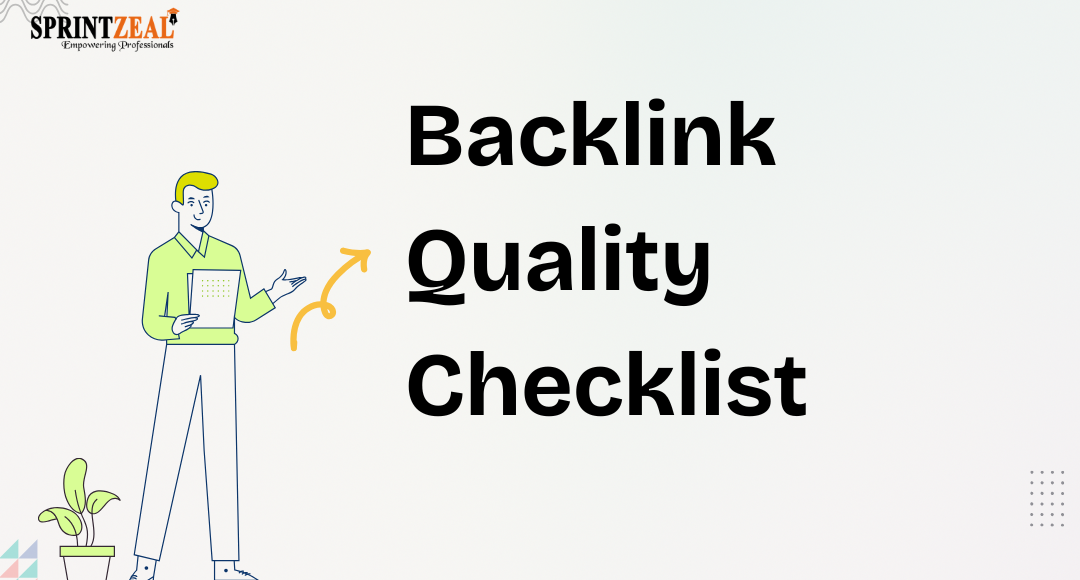
Most backlink mistakes don’t start with bad intent. They start with impatience.
A marketer sees a decent domain rating, a quick reply from a publisher, or a package that promises “high authority placements,” and the decision feels easy. The link looks fine from far away. The problem usually appears later, when the referral traffic is nonexistent, the article feels unrelated, or the site turns out to publish anything for anyone.
Good link building is slower than people want it to be. Not because outreach has to be complicated, but because judgment takes a minute. Before you ask for a link, pitch an article, or approve a placement, you need to know what you’re really buying into: the page, the site, the audience, the editorial standards, and the context around the link.
Authority metrics are useful, but they can make marketers lazy. A site with strong numbers can still be the wrong place for your link if the topic, audience, or page intent doesn’t line up. A backlink from a huge lifestyle blog may look impressive in a report, but if you’re promoting B2B cybersecurity training, a niche technology article with a smaller but sharper audience may be worth more.
Start with a plain question: would a real reader understand why this link is here? Not an SEO reader. Not a client scanning a monthly report. A normal reader moving through the paragraph. If the answer requires a long explanation, the placement probably isn’t clean enough.
For example, a digital marketing article about earning organic visibility can support a discussion of backlinks because links are part of how authority moves around the web. Sprintzeal’s guide to SEO tools for organic rankings already treats backlink analysis as one piece of the larger search toolkit, which is the right frame. The mistake would be turning that same article into a random directory of agencies, tools, or unrelated services just because they all touch SEO in some broad way.
The strongest placements usually have three layers of relevance. The site covers the broader industry. The article covers the specific topic. The paragraph creates a reason for the link to exist. When all three are present, BlueTree belongs in the same conversation as editorial standards, prospect quality, and sustainable outreach instead of sounding like a pasted-in recommendation. Readers can feel the difference even when they don’t name it.
A simple relevance check helps. Look at the sentence before the link, the sentence containing the link, and the sentence after it. If those three sentences form a clear mini-argument, the link has a better chance of working. If the linked phrase feels detachable, it’s probably being carried by the metric rather than the context.
One of the most common backlink errors is judging a placement by the homepage or domain score alone. The actual page matters more, which is why many SEO professionals use link building tools to analyze page-level quality, traffic, and relevance before securing backlinks. A solid blog can have old, thin, or overstuffed posts. A relevant site can still publish a page that looks abandoned.
Before building a link, check the page as if you were deciding whether to cite it in your own work. Is the topic clear? Is the article indexed? Does it answer a real question? Is the writing specific enough to help someone, or is it padded with generic statements? Does it have signs of editorial care, such as useful examples, updated references, readable structure, and links that support the content rather than interrupt it?
Google’s own SEO Starter Guide frames SEO around helping search engines understand content and helping users decide whether a page is useful. That’s a useful standard for link evaluation, too. A page that exists only to host links is rarely the kind of page you want associated with your brand.
Pay attention to where the link would sit. A contextual link inside a relevant paragraph is very different from a link dropped into a list of unrelated resources. A placement in the middle of a practical section often reads better than one added near the end, where it can feel like a leftover note. If the article has ten external links in a row, or if every paragraph seems to contain a commercial anchor, treat that as a warning.
The surrounding copy also matters. Imagine a paragraph about improving organic traffic. A link placed inside a sentence about content authority, outreach quality, or editorial mentions can work. A link added after a sentence about keyword density, page speed, or image compression probably feels off unless the writer carefully connects the ideas. Even then, careful connection is not the same as relevance. Some jumps are just too wide.
A quick page-level checklist can prevent a lot of cleanup later:
That last point is easy to underrate. A backlink on a page nobody would willingly read is a weak signal, no matter how polished the spreadsheet looks.
A site can look fine on the surface and still be a poor fit. The giveaway is usually its publishing pattern.
Open a few recent articles. Are they all about the same general audience, or does the site jump from crypto to plumbing to casino content to pet insurance in the same week? Are author names real and consistent? Do articles have internal links that make sense? Are topics selected for readers, or do they look like they were chosen only to sell placements?
This is where digital marketers need to stop treating “guest posting” as one uniform activity. There is a difference between contributing a useful article to a relevant publication and placing a link on a site that accepts almost anything. Google’s spam policies for web search are clear that manipulative linking tactics can create search problems, especially when the purpose is to deceive users or manipulate rankings. That doesn’t mean every contributed article is risky. It means quality control can’t be cosmetic.
A good editorial site has boundaries. Not every pitch fits. Not every anchor gets accepted. The editor may change wording, ask for a better source, reject a promotional paragraph, or push back on a weak topic. Those moments can be inconvenient, but they’re usually signs of a healthier publication.
Sprintzeal’s broader content mix is a useful example of topical boundaries. Its blog covers professional training, digital marketing, project management, IT, cloud, cybersecurity, quality management, and career development. A link placed in an SEO skills article or a digital marketing guide could fit the audience. The same link inside a medical school ranking article or a cloud engineer salary guide would feel like a reach, even on the same domain.
The site’s old content can reveal patterns, too. If many posts are thin rewrites of popular search topics, the placement may not carry much editorial trust. If the site has a habit of publishing overly commercial roundups with no real evaluation, be careful. A backlink profile built from those pages can start to look like a footprint instead of a collection of earned references.
Marketers should also look for link neighborhoods. Click a few outbound links. Are they pointing to legitimate sources, companies, and educational resources, or to random lead-gen pages with aggressive anchors? One questionable link is not always a dealbreaker. A pattern is different. If a site repeatedly links to unrelated money pages with exact-match anchors, your placement may inherit some of that mess.
Anchor text is where otherwise decent placements often go wrong. The page is relevant. The site is fine. Then someone forces a phrase into the paragraph because it matches a keyword target. The result reads like a sentence wearing borrowed shoes.
A good anchor should describe the destination without shouting at the reader. It should also match the level of the article. In a beginner SEO guide, an anchor like “technical backlink acquisition framework” might sound ridiculous. In an advanced agency operations article, “link outreach workflow” may be perfectly normal. The words should fit both the landing page and the reader’s vocabulary.
This matters in training and career content because readers often arrive with mixed experience levels. Someone reading Sprintzeal’s SEO in digital marketing guide may still be learning the difference between on-page, off-page, and technical SEO. A link in that context should use simple language and support the explanation, not introduce a phrase that feels designed only for a search engine.
Avoid anchors that make claims the page can’t support. “Best,” “top,” “guaranteed,” and “trusted” can create unnecessary risk unless the article is genuinely making and proving that comparison. Branded anchors can be cleaner when the brand is part of a sentence about examples, workflows, or approaches. Partial-match anchors can work when they read like normal editorial language.
The best test is to read the paragraph aloud. If your voice changes when you hit the anchor, revise it. If the phrase sounds too polished compared with the rest of the sentence, revise it. If the sentence exists mainly to carry the anchor, delete the sentence and find a better paragraph.
Anchor variety also matters. A healthy backlink profile doesn’t repeat the same exact phrase across dozens of sites. Real mentions vary because real writers vary. One editor may use a brand name. Another may refer to a guide, a service category, or a specific workflow. That variation is not a weakness. It is often what makes the profile look less manufactured.
A page can be relevant and still have little value if it has no visibility, no freshness, and no reason for readers to land there. You don’t need every placement to come from a traffic giant, but you should know whether the page has a pulse.
Look for signs that the site maintains its content. Are recent dates real, or does every article look auto-updated without meaningful changes? Are old statistics refreshed? Do internal links point to current resources? Does the post show up for any long-tail searches? A lower-authority site with active, focused content can sometimes beat a larger domain filled with stale pages.
This is especially important in fast-changing areas like SEO, AI search, cloud tools, and cybersecurity. A 2020 article about link building may still contain useful basics, but tool recommendations, search features, and spam policies change. A marketer should not treat old advice as current just because the page still ranks.
Sprintzeal’s search engine marketing guide shows how search topics often need context around paid and organic visibility. A backlink placed in that kind of article should respect the distinction. If the paragraph is about paid search, forcing in an organic link-building reference will probably muddy the point. If the paragraph is about organic visibility and search trust, the connection is much easier to defend editorially.
Traffic estimates are imperfect, so don’t worship them. Use them as a sanity check, not a verdict. A page with no estimated traffic may still be useful if it serves a niche audience, gets shared in newsletters, or supports topical authority. But if the site has no visible audience, weak content, unrelated topics, and a messy outbound link profile, “the metric looked okay” is not enough.
Freshness should be judged by substance. A new date on an old article doesn’t mean the content was improved. Look for changed examples, updated screenshots, current tool names, and recent references. If the article discusses modern SEO but ignores AI Overviews, helpful content standards, or recent spam policy language, it may not be the best environment for a link about sustainable search growth.
A good backlink is not just a link from a strong domain. It is a relevant editorial mention on a page that a real reader could trust, understand, and use. The checklist is not complicated, but it does require discipline: check the site, the page, the paragraph, the anchor, the outbound link pattern, and the freshness of the content before you say yes. Most weak placements reveal themselves when you stop looking at one metric and read the page like a person. The strongest marketers build links more slowly because they are protecting the brand as much as the ranking potential. Before approving your next backlink, open the target article, read the three sentences around the proposed placement, and ask whether the link would still belong there if SEO metrics were hidden.

Thu, 17 September 2026
Tue, 15 September 2026

Fri, 04 September 2026

Wed, 26 August 2026
Mon, 24 August 2026

Tue, 18 August 2026

Tue, 11 August 2026

Mon, 27 July 2026

Fri, 17 July 2026

© 2026 Sprintzeal Americas Inc. - All Rights Reserved.


 USA : +1315-322-7821
 UK : +44 7700 174870
 IND : +919036108287
 AUS : +61 480 005 455