Top 3 AI Humanizers for Students
Tue, 22 September 2026

Inspirational journeys
Follow the stories of academics and their research expeditions
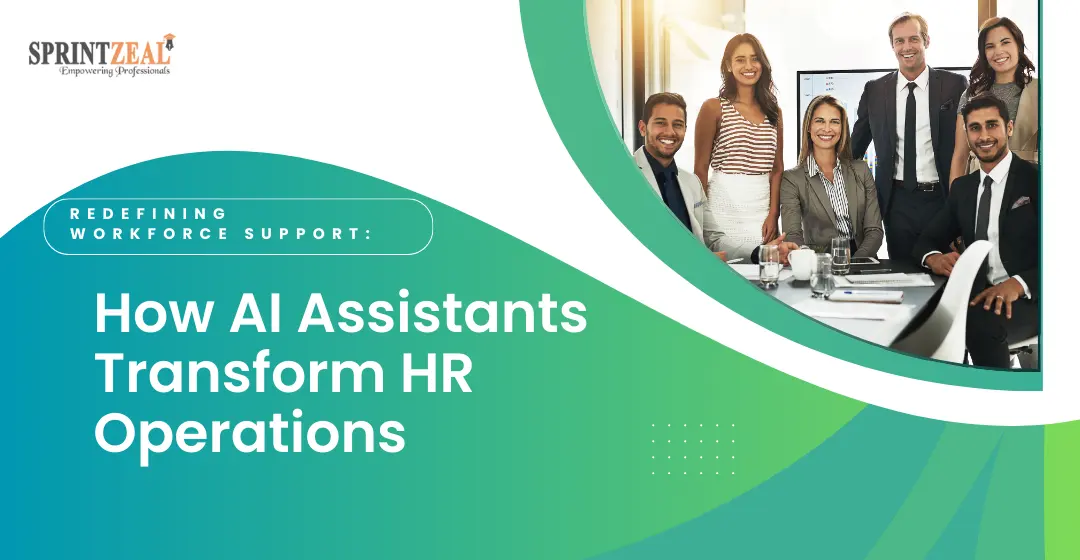
AI assistants are completely changing how HR departments handle things from the moment someone applies for a job until they leave the company. Clever tech handles routine chores, gives quick answers, and keeps workers content from their first day to their last.
When work gets done faster, HR teams get time to think about building stronger teams and company culture. Employees' talent is a seamless journey, with 24/7 access to information and support in spite of place or time zone. With AI, companies report fewer errors, tighter rule-following, and truly consistent service delivery.
As global workforces grow and expectations rise, these digital assistants are no longer optional; they are becoming essential to modern HR strategies.
Top Use Cases Across the Employee Lifecycle
AI virtual assistants are changing how employees work with HR teams from their first day until they leave your organization. These smart tools give targeted help at key moments. They create a smooth experience that works well for everyone involved.
Onboarding and Orientation
First impressions count - especially on day one. AI virtual assistants have become great onboarding partners. They help new employees through their first weeks and reduce HR teams' paperwork.
Research shows employees are 29 times more likely to feel happy with a well-hosted onboarding process compared to poor methods. Smart AI tools handle document collection, policy sharing, and system access requests that used to take up hours of HR time.
A logistics company shows this works well. They gave their night-shift workers tablets with AI help because these employees couldn't reach HR staff at night. New team members learned about company culture, filled out needed forms, and read policies - all without HR staff working overnight.
These assistants do more than just paperwork. They:
- Help new hires learn company policies and procedures
- Set up first meetings with team members
- Create training plans based on job needs
- Answer basic workplace questions
IBM's watsonx HR Agents help with "essential procedures, such as preemployment checks, learning recommendations, onboarding profile creation and IT request creation". New employees can settle in quickly without always asking HR for help.
Policy and Benefits Inquiries
Benefits packages often confuse employees, and HR teams answer the same questions repeatedly. AI virtual assistants make this much easier.
To name just one example, see Zoe, an AI-powered health assistant that "strengthens employees to take control of their healthcare, making it more available and easier to manage care". This helper knows plan details and company benefits, which lets employees handle their healthcare needs quickly.
These assistants clarify coverage, deductibles, co-pays, and other difficult topics in simple terms. The AI spots when staff might need extra help, like finding doctors or development visits.
These tools deal with typical HR questions like profit, payroll, time off, and others. Employees usually need answers to these questions, but don’t want to hassle HR with what they see as simple ones.
Leave and Attendance Support
Time-off requests and attendance tracking can be frustrating for everyone involved. AI virtual assistants bring big improvements here.
Oracle's Leave and Absence Policy Advisor acts as an AI-powered digital assistant that gives information about time-off policies. It helps employees understand their leave rights, what they are eligible for, and the business rules that apply.
These assistants explain various forms of leave such as sick leave, vacation, parental leave and grief. They explain to employees what they succeed and how long they can take and what documents they need.
These tools make leave management better by:
- Showing live leave status
- Processing requests right away
- Telling managers about time off
- Following labor laws correctly
This automation cuts down on legal risks and frees up HR teams from tasks that used to take too much time. For small businesses, integrating AI with small business payroll software can further streamline operations and reduce administrative overhead.
Offboarding and Exit Processes
When employees are away, AI virtual assistants keep things professional and caring while protecting the company's interests. These tools help manage the exit process smoothly by giving remote workers important resources like exit interviews, feedback forms, and company policies. Smart chat robots offer instant help and guide departing employees through each step of the process.
Security stays tight as AI assistants can "terminate access to the company's suite of systems temporarily or permanently without requiring human intervention". This quick action keeps company data safe when people leave.
These systems also handle all the paperwork - creating resignation letters, experience certificates, and final payments while making sure departing employees get all required documents quickly.
AI-powered HR virtual assistants help teams provide personal and fast support at every step of the employee experience. They reduce the need for lots of paperwork and help build stronger, more meaningful connections between employees and the company throughout their entire time working there.
AI Virtual Assistant vs Traditional HR Tools
The operational capabilities of AI virtual assistants and conventional HR management systems show clear differences. Companies expect AI to substantially boost their productivity, with 64% of businesses reevaluating their existing HR setup faster than ever.
Availability and Scalability
Traditional HR tools are only available during regular business hours, which can lead to gaps in support for teams and employees who work different shifts or in different time zones. AI virtual assistants, on the other hand, are available all the time, offering help to employees whenever they need it, no matter what time of day or where they are.
Scalability makes another big difference. Traditional HR departments must hire more people as companies grow. AI-powered virtual assistants can handle more employee interactions without extra staff.
This advantage shines during busy times like open enrollment or year-end reviews. HR teams often get swamped. AI assistants use cloud computing and load-balancing to stay responsive even when many people just need help at once.
Companies can now support bigger workforces without hiring more HR staff. Recent studies show this helps businesses optimize budgets while giving complete employee support.
As AI scales support, staffing leaders should upgrade your staffing tools to platforms that automate recruiting, onboarding, and compliance.
Response Quality and Personalization
Traditional HR tools give generic, one-size-fits-all information that makes employees search through irrelevant content. AI virtual assistants give personalized answers based on each employee's situation and history.
The personalization capabilities include:
- Using company databases to give precise solutions
- Changing conversation tone based on employee priorities
- Offering choices based on previous conversations
- Tailoring responses to fit each employee's job and permissions
AI systems excel at consistency. Human HR representatives naturally vary in knowledge and responses. AI assistants give uniform, accurate information every time. Every member of staff gets the same value service no topic when they ask for help.
simplicity of protection and Updates
Updating traditional HR systems creates big challenges. It needs manual work, testing, and company-wide messages about changes. AI virtual assistants make this simple through automated learning.
Modern AI assistants keep learning all the time to make sure they have up-to-date information on new rules, employee behavior, and laws. If they don’t keep getting new training, the HR systems they help run might end up providing old or incorrect information.
AI assistants stay current with minimal human input through automated training pipelines. The AI model gets better as it learns from new employee questions and advice.
These systems also use machine learning to get better from past experiences and adjust their answers. Regular systems need constant updates from people, but AI can improve by itself over time.
Companies that use AI in their human resources processes see big improvements in how they operate compared to older methods. Nearly 92% of HR leaders intend to use AI more in at least one part of HR. The move from traditional tools to smart assistants is happening consistently over time.
Conclusion
Artificial intelligence assistants are completely changing how businesses approach their staffing needs. They quickly clear out backlogs. All the routine stuff gets handled automatically, and everyone gets specific information.
Businesses see gains in efficiency, cost savings, and employee satisfaction as these systems handle interactions traditionally requiring HR intervention. Unlike static HR tools, AI learns and adapts, keeping support relevant and accurate without heavy maintenance.
Watch as more businesses bring in these tools. Smart assistants will soon become the core of how HR runs smoothly.
Organizations prepared to integrate AI stand to offer their people smoother, smarter, and more supportive workplace experiences.
AI assistants are completely changing how HR departments handle things from the moment someone applies for a job until they leave the company. Clever tech handles routine chores, gives quick answers, and keeps workers content from their first day to their last.
When work gets done faster, HR teams get time to think about building stronger teams and company culture. Employees' talent is a seamless journey, with 24/7 access to information and support in spite of place or time zone. With AI, companies report fewer errors, tighter rule-following, and truly consistent service delivery.
As global workforces grow and expectations rise, these digital assistants are no longer optional; they are becoming essential to modern HR strategies.
AI virtual assistants are changing how employees work with HR teams from their first day until they leave your organization. These smart tools give targeted help at key moments. They create a smooth experience that works well for everyone involved.
Onboarding and Orientation
First impressions count - especially on day one. AI virtual assistants have become great onboarding partners. They help new employees through their first weeks and reduce HR teams' paperwork.
Research shows employees are 29 times more likely to feel happy with a well-hosted onboarding process compared to poor methods. Smart AI tools handle document collection, policy sharing, and system access requests that used to take up hours of HR time.
A logistics company shows this works well. They gave their night-shift workers tablets with AI help because these employees couldn't reach HR staff at night. New team members learned about company culture, filled out needed forms, and read policies - all without HR staff working overnight.
These assistants do more than just paperwork. They:
- Help new hires learn company policies and procedures
- Set up first meetings with team members
- Create training plans based on job needs
- Answer basic workplace questions
IBM's watsonx HR Agents help with "essential procedures, such as preemployment checks, learning recommendations, onboarding profile creation and IT request creation". New employees can settle in quickly without always asking HR for help.
Policy and Benefits Inquiries
Benefits packages often confuse employees, and HR teams answer the same questions repeatedly. AI virtual assistants make this much easier.
To name just one example, see Zoe, an AI-powered health assistant that "strengthens employees to take control of their healthcare, making it more available and easier to manage care". This helper knows plan details and company benefits, which lets employees handle their healthcare needs quickly.
These assistants clarify coverage, deductibles, co-pays, and other difficult topics in simple terms. The AI spots when staff might need extra help, like finding doctors or development visits.
These tools deal with typical HR questions like profit, payroll, time off, and others. Employees usually need answers to these questions, but don’t want to hassle HR with what they see as simple ones.
Leave and Attendance Support
Time-off requests and attendance tracking can be frustrating for everyone involved. AI virtual assistants bring big improvements here.
Oracle's Leave and Absence Policy Advisor acts as an AI-powered digital assistant that gives information about time-off policies. It helps employees understand their leave rights, what they are eligible for, and the business rules that apply.
These assistants explain various forms of leave such as sick leave, vacation, parental leave and grief. They explain to employees what they succeed and how long they can take and what documents they need.
These tools make leave management better by:
- Showing live leave status
- Processing requests right away
- Telling managers about time off
- Following labor laws correctly
This automation cuts down on legal risks and frees up HR teams from tasks that used to take too much time. For small businesses, integrating AI with small business payroll software can further streamline operations and reduce administrative overhead.
Offboarding and Exit Processes
When employees are away, AI virtual assistants keep things professional and caring while protecting the company's interests. These tools help manage the exit process smoothly by giving remote workers important resources like exit interviews, feedback forms, and company policies. Smart chat robots offer instant help and guide departing employees through each step of the process.
Security stays tight as AI assistants can "terminate access to the company's suite of systems temporarily or permanently without requiring human intervention". This quick action keeps company data safe when people leave.
These systems also handle all the paperwork - creating resignation letters, experience certificates, and final payments while making sure departing employees get all required documents quickly.
AI-powered HR virtual assistants help teams provide personal and fast support at every step of the employee experience. They reduce the need for lots of paperwork and help build stronger, more meaningful connections between employees and the company throughout their entire time working there.
The operational capabilities of AI virtual assistants and conventional HR management systems show clear differences. Companies expect AI to substantially boost their productivity, with 64% of businesses reevaluating their existing HR setup faster than ever.
Availability and Scalability
Traditional HR tools are only available during regular business hours, which can lead to gaps in support for teams and employees who work different shifts or in different time zones. AI virtual assistants, on the other hand, are available all the time, offering help to employees whenever they need it, no matter what time of day or where they are.
Scalability makes another big difference. Traditional HR departments must hire more people as companies grow. AI-powered virtual assistants can handle more employee interactions without extra staff.
This advantage shines during busy times like open enrollment or year-end reviews. HR teams often get swamped. AI assistants use cloud computing and load-balancing to stay responsive even when many people just need help at once.
Companies can now support bigger workforces without hiring more HR staff. Recent studies show this helps businesses optimize budgets while giving complete employee support.
As AI scales support, staffing leaders should upgrade your staffing tools to platforms that automate recruiting, onboarding, and compliance.
Response Quality and Personalization
Traditional HR tools give generic, one-size-fits-all information that makes employees search through irrelevant content. AI virtual assistants give personalized answers based on each employee's situation and history.
The personalization capabilities include:
- Using company databases to give precise solutions
- Changing conversation tone based on employee priorities
- Offering choices based on previous conversations
- Tailoring responses to fit each employee's job and permissions
AI systems excel at consistency. Human HR representatives naturally vary in knowledge and responses. AI assistants give uniform, accurate information every time. Every member of staff gets the same value service no topic when they ask for help.
simplicity of protection and Updates
Updating traditional HR systems creates big challenges. It needs manual work, testing, and company-wide messages about changes. AI virtual assistants make this simple through automated learning.
Modern AI assistants keep learning all the time to make sure they have up-to-date information on new rules, employee behavior, and laws. If they don’t keep getting new training, the HR systems they help run might end up providing old or incorrect information.
AI assistants stay current with minimal human input through automated training pipelines. The AI model gets better as it learns from new employee questions and advice.
These systems also use machine learning to get better from past experiences and adjust their answers. Regular systems need constant updates from people, but AI can improve by itself over time.
Companies that use AI in their human resources processes see big improvements in how they operate compared to older methods. Nearly 92% of HR leaders intend to use AI more in at least one part of HR. The move from traditional tools to smart assistants is happening consistently over time.
Artificial intelligence assistants are completely changing how businesses approach their staffing needs. They quickly clear out backlogs. All the routine stuff gets handled automatically, and everyone gets specific information.
Businesses see gains in efficiency, cost savings, and employee satisfaction as these systems handle interactions traditionally requiring HR intervention. Unlike static HR tools, AI learns and adapts, keeping support relevant and accurate without heavy maintenance.
Watch as more businesses bring in these tools. Smart assistants will soon become the core of how HR runs smoothly.
Organizations prepared to integrate AI stand to offer their people smoother, smarter, and more supportive workplace experiences.

Tue, 22 September 2026
Tue, 08 September 2026

Mon, 24 August 2026
Wed, 19 August 2026
Mon, 17 August 2026
Mon, 17 August 2026
Thu, 13 August 2026
Mon, 24 August 2026
Tue, 28 July 2026

© 2026 Sprintzeal Americas Inc. - All Rights Reserved.

 USA : +1315-322-7821
 UK : +44 7700 174870
 IND : +919036108287
 AUS : +61 480 005 455