Top 3 AI Humanizers for Students
Tue, 22 September 2026

Inspirational journeys
Follow the stories of academics and their research expeditions
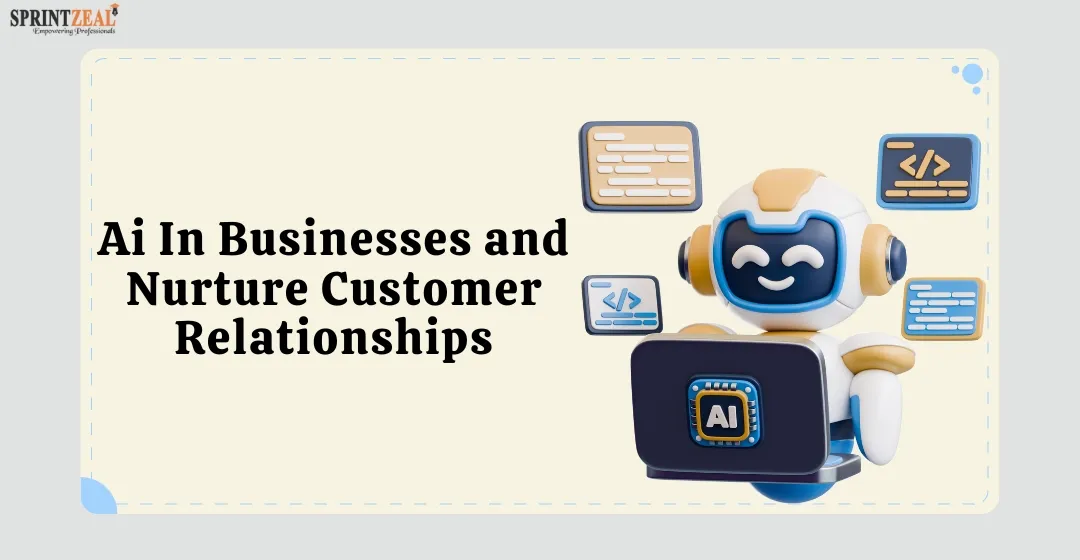
Think using AI in CRM means cold and robotic interactions? Well, think again.
Companies keep trying new ways to connect. Technology isn’t tucked away anymore. It’s part of almost everything people experience. The upside? Brands can move quicker. Make sharper calls. Create experiences that feel human, not scripted or artificial.
What makes this work is looking at the bigger picture. It’s not about reacting to one click or message at a time anymore. Notice the patterns. How people shop, what gets their attention, and when they’re open to messages. Once you do, responding in a way that feels right isn’t so hard.
Another important change comes when data meets empathy. AI handles repetitive work so teams can focus on creativity and connection. When you mix real insight with human judgment, the result is customer experiences that actually make sense.
Let’s look at a few ways companies are putting all of that into practice to build and strengthen customer relationships.
AI helps businesses personalize outreach in ways that once needed whole teams. Instead of guessing what someone might want, the tools now look at timing, tone, and behavior to shape messages that actually land.
Specialists from Qualified note that the top AI SDR platforms automate this process, scheduling follow-ups and reminders that feel surprisingly human.
In practice, an AI SDR uses real behavioral signals to decide when to reach out, what to say, and when to stay quiet, helping outreach feel like a continuation of a real conversation rather than another automated touch.
And here’s the interesting part: automation doesn’t strip away authenticity. It often makes it easier to sound personal, because it’s based on real behavior rather than assumptions.
Smart segmentation works. You can see what people care about, how they act, what they want. Then your messages actually hit the right moment. No more shouting into the void. More like a real conversation with someone familiar.
We’re leaving guesswork behind. Now the data tells you what to do next.
Tools like Meridian AI, powered by Scout AI for deal workflows, give teams a clear view of every deal in motion. No more juggling spreadsheets or hopping between systems. Every opportunity is visible right away.
When the process is clear, things calm down. No guessing, no spreadsheets. You catch issues before they cause trouble. It’s more than just keeping an eye on numbers. It’s about spotting problems early and keeping things flowing.
Real-time insights show teams where to focus their energy. They don’t have to chase every lead anymore. Now they can focus on the ones that really matter. And what team doesn’t appreciate less wasted time and more conversations that actually count?
Forecasting also often gets more accurate, depending on the data quality. AI-driven scoring gives managers a clear view without all the manual updates. When marketing and sales actually work together, priorities line up and the whole team wins.
AI helps a retailer see when shoppers drop off right before checkout, or helps a bank spot early signs of customer churn. It can see the invisible connections between data points. The quiet signals that reveal motivation, interest, or hesitation. Those insights help companies predict concerns before they surface and act faster when opportunities arise.
The cognitive AI journey advances this even further. It doesn’t just analyze numbers. It reasons through them, almost like a person would, but at incredible speed. This makes it possible to anticipate emotions and timing rather than simply react.
Imagine giving support before your customer even knows they need it. Maybe it’s a timely upgrade suggestion, a quick reminder, or a nudge toward a renewal. Little things like that make interactions feel personal.
Pay attention to what matters most to your customers, and loyalty follows. Sales fit into something bigger, a relationship that keeps growing. When people feel really understood, they tend to come back.
Customer support has evolved quickly. Simple questions? Chatbots can deal with those instantly. The human team can focus on the tough calls, the emotional ones. The whole experience just flows better, and it feels friendlier for everyone.
Sentiment analysis adds a helpful layer. By recognizing tone and mood, AI can flag messages that need extra care. When support teams respond to emotional issues first, customers feel heard and valued, not ignored.
Automation also streamlines ticket routing. Instead of sorting and forwarding each request manually, AI sends it to the right department right away. Less waiting means faster answers and happier customers.
By tracking common issues, AI also shows companies where people struggle most. Fixing those root problems builds long-term satisfaction and saves everyone time.
Trust is what makes any relationship strong. Brands earn it through what they do, not a smart marketing move or one good interaction. It takes time and steady effort to build.
Every time a customer hands over personal info, they’re putting some trust in you. Mistakes stick in their minds more than smooth experiences. Being upfront and careful with that info goes a long way.
Proactive communication helps too. If AI can predict a problem and alert someone before it happens, a billing hiccup, a missing order, or a product glitch, it shows care. The brand steps in before frustration even begins, like a friend who notices before you have to say anything.
Customers should get the same reliable experience no matter where they interact. It’s that sense of familiarity — the same clear tone, the timing, the accuracy — that turns a brand into something people depend on.
AI helps make sure every email, chat, or call feels dependable. When tech actually helps people show they care instead of replacing them, customers start trusting not just the system, but the people behind it.
One of the biggest wins for marketers is being able to launch large campaigns without losing the human touch.
Real personalization comes from understanding where your customer is and how they like to interact. The small details matter. Sending the same message to everyone? That usually misses the mark.
When your marketing matches what someone wants or needs, it stops feeling like a pitch. Little details make a difference. Remember a past purchase and check in at the right time. Those touches count.
Even small gestures leave an impression. Suggest something that fits, or follow up after a good experience. What could have been a one-off sale becomes a connection people remember.
And the best part? You can see what’s working in real time. A headline falling flat? A story not landing? Fix it immediately. No waiting. No guessing.
If you can adjust as you go, your data-driven marketing is going to work. You’ll keep your messages clear, and it actually saves a lot of time too.
AI is useful, no doubt, but it can’t do the human part for us. When companies use AI the right way, it brings out empathy, good timing, and trust.
A timely message or quick solution can feel personal when backed by smart tools. Customers notice when a brand understands their needs without overstepping. That balance between intelligence and empathy keeps technology human.
Because real innovation isn’t about replacing people. It’s about helping them connect better.
Think using AI in CRM means cold and robotic interactions? Well, think again.
Companies keep trying new ways to connect. Technology isn’t tucked away anymore. It’s part of almost everything people experience. The upside? Brands can move quicker. Make sharper calls. Create experiences that feel human, not scripted or artificial.
What makes this work is looking at the bigger picture. It’s not about reacting to one click or message at a time anymore. Notice the patterns. How people shop, what gets their attention, and when they’re open to messages. Once you do, responding in a way that feels right isn’t so hard.
Another important change comes when data meets empathy. AI handles repetitive work so teams can focus on creativity and connection. When you mix real insight with human judgment, the result is customer experiences that actually make sense.
Let’s look at a few ways companies are putting all of that into practice to build and strengthen customer relationships.
AI helps businesses personalize outreach in ways that once needed whole teams. Instead of guessing what someone might want, the tools now look at timing, tone, and behavior to shape messages that actually land.
Specialists from Qualified note that the top AI SDR platforms automate this process, scheduling follow-ups and reminders that feel surprisingly human.
In practice, an AI SDR uses real behavioral signals to decide when to reach out, what to say, and when to stay quiet, helping outreach feel like a continuation of a real conversation rather than another automated touch.
And here’s the interesting part: automation doesn’t strip away authenticity. It often makes it easier to sound personal, because it’s based on real behavior rather than assumptions.
Smart segmentation works. You can see what people care about, how they act, what they want. Then your messages actually hit the right moment. No more shouting into the void. More like a real conversation with someone familiar.
We’re leaving guesswork behind. Now the data tells you what to do next.
Tools like Meridian AI, powered by Scout AI for deal workflows, give teams a clear view of every deal in motion. No more juggling spreadsheets or hopping between systems. Every opportunity is visible right away.
When the process is clear, things calm down. No guessing, no spreadsheets. You catch issues before they cause trouble. It’s more than just keeping an eye on numbers. It’s about spotting problems early and keeping things flowing.
Real-time insights show teams where to focus their energy. They don’t have to chase every lead anymore. Now they can focus on the ones that really matter. And what team doesn’t appreciate less wasted time and more conversations that actually count?
Forecasting also often gets more accurate, depending on the data quality. AI-driven scoring gives managers a clear view without all the manual updates. When marketing and sales actually work together, priorities line up and the whole team wins.
AI helps a retailer see when shoppers drop off right before checkout, or helps a bank spot early signs of customer churn. It can see the invisible connections between data points. The quiet signals that reveal motivation, interest, or hesitation. Those insights help companies predict concerns before they surface and act faster when opportunities arise.
The cognitive AI journey advances this even further. It doesn’t just analyze numbers. It reasons through them, almost like a person would, but at incredible speed. This makes it possible to anticipate emotions and timing rather than simply react.
Imagine giving support before your customer even knows they need it. Maybe it’s a timely upgrade suggestion, a quick reminder, or a nudge toward a renewal. Little things like that make interactions feel personal.
Pay attention to what matters most to your customers, and loyalty follows. Sales fit into something bigger, a relationship that keeps growing. When people feel really understood, they tend to come back.
Customer support has evolved quickly. Simple questions? Chatbots can deal with those instantly. The human team can focus on the tough calls, the emotional ones. The whole experience just flows better, and it feels friendlier for everyone.
Sentiment analysis adds a helpful layer. By recognizing tone and mood, AI can flag messages that need extra care. When support teams respond to emotional issues first, customers feel heard and valued, not ignored.
Automation also streamlines ticket routing. Instead of sorting and forwarding each request manually, AI sends it to the right department right away. Less waiting means faster answers and happier customers.
By tracking common issues, AI also shows companies where people struggle most. Fixing those root problems builds long-term satisfaction and saves everyone time.
Trust is what makes any relationship strong. Brands earn it through what they do, not a smart marketing move or one good interaction. It takes time and steady effort to build.
Every time a customer hands over personal info, they’re putting some trust in you. Mistakes stick in their minds more than smooth experiences. Being upfront and careful with that info goes a long way.
Proactive communication helps too. If AI can predict a problem and alert someone before it happens, a billing hiccup, a missing order, or a product glitch, it shows care. The brand steps in before frustration even begins, like a friend who notices before you have to say anything.
Customers should get the same reliable experience no matter where they interact. It’s that sense of familiarity — the same clear tone, the timing, the accuracy — that turns a brand into something people depend on.
AI helps make sure every email, chat, or call feels dependable. When tech actually helps people show they care instead of replacing them, customers start trusting not just the system, but the people behind it.
One of the biggest wins for marketers is being able to launch large campaigns without losing the human touch.
Real personalization comes from understanding where your customer is and how they like to interact. The small details matter. Sending the same message to everyone? That usually misses the mark.
When your marketing matches what someone wants or needs, it stops feeling like a pitch. Little details make a difference. Remember a past purchase and check in at the right time. Those touches count.
Even small gestures leave an impression. Suggest something that fits, or follow up after a good experience. What could have been a one-off sale becomes a connection people remember.
And the best part? You can see what’s working in real time. A headline falling flat? A story not landing? Fix it immediately. No waiting. No guessing.
If you can adjust as you go, your data-driven marketing is going to work. You’ll keep your messages clear, and it actually saves a lot of time too.
AI is useful, no doubt, but it can’t do the human part for us. When companies use AI the right way, it brings out empathy, good timing, and trust.
A timely message or quick solution can feel personal when backed by smart tools. Customers notice when a brand understands their needs without overstepping. That balance between intelligence and empathy keeps technology human.
Because real innovation isn’t about replacing people. It’s about helping them connect better.

Tue, 22 September 2026
Tue, 08 September 2026

Mon, 24 August 2026
Wed, 19 August 2026
Mon, 17 August 2026
Mon, 17 August 2026
Thu, 13 August 2026
Mon, 24 August 2026
Tue, 28 July 2026

© 2026 Sprintzeal Americas Inc. - All Rights Reserved.

 USA : +1315-322-7821
 UK : +44 7700 174870
 IND : +919036108287
 AUS : +61 480 005 455