Best AI Video Generators in 2027: Tested & Compared
Mon, 28 September 2026
Inspirational journeys
Follow the stories of academics and their research expeditions
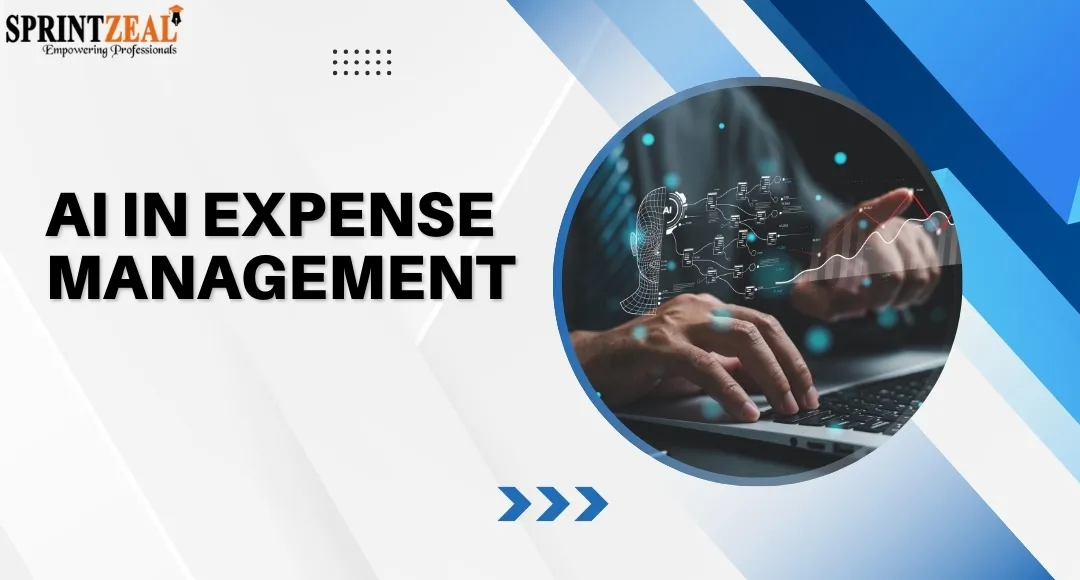
Expense management might not seem glamorous, but it’s essential, especially for certification training programs. These programs often operate on tight budgets and need to keep track of every dollar spent. That’s where AI-powered analytics come in, transforming how expenses are managed and optimized.
AI-powered analytics is more than just a buzzword. It involves using artificial intelligence to analyze complex data sets, uncovering insights that humans might miss. In terms of expense management, this means spotting spending patterns, predicting future costs, and optimizing how resources are allocated. AI doesn’t replace human decision-making; it enhances it by providing data-driven insights.
From what I’ve seen, AI excels at sifting through mountains of data at lightning speed. This ability allows finance teams to focus on strategy instead of getting bogged down in manual data entry and reconciliation. According to ResearchAndMarkets, the AI-driven expense report automation market was valued at USD 2.82 billion in 2025 and is expected to grow significantly in the coming years.
Think of AI as having a highly skilled analyst working tirelessly around the clock. This is especially beneficial in environments where financial accuracy and timeliness are crucial, like certification training programs, where every expenditure must be justified and aligned with educational objectives. With AI analytics, organizations can process data from multiple sources, ensuring thorough oversight and enabling nuanced financial strategies that were once out of reach.
Moreover, AI adapts to new data inputs and changing financial environments almost instantly. This adaptability is vital in today’s fast-paced digital economy, where the ability to pivot based on real-time data can be the difference between hitting budget goals and falling short. As organizations become more data-driven, AI's role in synthesizing and interpreting complex financial information becomes indispensable.
Certification training programs have unique needs. They require meticulous planning and budgeting to ensure they deliver value to participants without overshooting costs. AI-powered analytics provide a way to streamline these processes by offering insights into spending and identifying areas for savings.
For instance, if a program routinely overspends on materials that participants rarely use, AI can flag this as a cost-cutting opportunity. It’s about making smarter decisions and ensuring that every dollar spent contributes to the program's success.
AI doesn’t just highlight inefficiencies; it can also suggest alternative strategies based on historical data and predictive modeling. If AI finds that certain digital resources are underutilized, it might recommend reallocating funds toward more popular or impactful materials, maximizing the educational value delivered to participants.
Additionally, AI can enhance the participant experience by ensuring financial resources are directed toward initiatives that provide the most significant educational benefit. By analyzing feedback and engagement metrics, AI helps program directors understand which aspects of their training are most valued and adjust spending accordingly. This ensures that certification programs remain competitive and relevant in a changing educational landscape.
Traditional budgeting methods often rely on historical data and educated guesses. While there’s some merit to this approach, it doesn’t always consider unexpected changes or trends. AI-powered analytics can analyze current spending patterns and predict future costs with greater accuracy.
I've witnessed how AI can adjust budgets in real-time based on new data inputs, which is invaluable for certification programs that might face sudden changes in enrollment numbers or material costs. According to Technavio, the expense management software market is projected to increase by USD 7.5 billion at a CAGR of 16.2% from 2024 to 2029.
AI’s ability to adjust budgets dynamically is particularly beneficial when external factors, like economic shifts or changes in participant demographics, could impact program costs. By continually monitoring these variables, AI systems can provide alerts and recommendations to help financial managers adapt their strategies proactively.
In addition to real-time budget adjustments, AI can assist in long-term financial planning. By simulating various scenarios based on different assumptions, AI helps financial planners understand potential risks and opportunities. This forward-looking approach allows certification programs to prepare better for future challenges, ensuring financial stability and sustainability.
Another significant advantage of AI in budgeting is its ability to pinpoint cost-saving opportunities that might not be immediately obvious. For example, AI could detect inefficiencies in procurement processes or suggest more cost-effective vendors for certain supplies, reducing overhead costs. By leveraging these insights, certification programs can optimize spending and allocate resources more effectively.
Predictive analytics is one of the most exciting applications of AI in expense management. It uses historical data to predict future outcomes, helping organizations make proactive rather than reactive decisions. For certification programs, this means anticipating cost spikes before they happen and adjusting budgets accordingly.
Imagine knowing in advance that travel costs will rise next quarter due to a major industry event. With predictive analytics, programs can either adjust their budgets or negotiate better deals ahead of time.
The real power of predictive analytics lies in its ability to forecast trends with impressive accuracy. By analyzing patterns in historical data, AI can identify factors that typically lead to increased expenses, such as seasonality or shifts in market conditions. This foresight allows organizations to plan for potential financial impacts and implement strategies to mitigate them.
Beyond predicting cost increases, predictive analytics can also uncover opportunities for savings. For instance, AI might forecast that certain materials will decrease in price due to changes in supply chain dynamics. By acting on these insights, certification programs can secure materials at lower costs, enhancing their financial efficiency.
Moreover, predictive analytics plays a crucial role in strategic decision-making. By providing insights into future financial scenarios, AI enables program directors to evaluate the potential outcomes of different initiatives. This helps them make informed decisions that align with their long-term goals and ensure the financial health of their programs.
Several tools are revolutionizing how expenses are managed. Emburse, Inc., for instance, launched a mobile app in April 2024 that uses AI to simplify expense reporting for employees and managers. This kind of technology not only saves time but also reduces errors, something anyone who's dealt with expense reports can appreciate.
Tools like these offer real-time insights and automated reconciliation processes, making them essential for certification training programs striving for efficiency. Automated systems can categorize expenses, flag discrepancies for review, and even suggest potential areas for cost reduction, all of which contribute to a smoother financial process.
The integration of AI tools into expense management systems has greatly improved user experience. By simplifying the submission and approval process, these tools lighten the administrative load on employees, allowing them to focus on more strategic tasks. This not only boosts productivity but also enhances employee satisfaction by cutting down on tedious paperwork.
Furthermore, AI-powered tools can foster greater transparency in financial processes. By providing real-time access to expense data, these tools enable stakeholders to monitor spending patterns and identify potential issues before they escalate. This transparency encourages accountability and ensures that financial resources are used effectively.
A notable example is the use of AI-driven chatbots in expense management. These chatbots can assist employees in real-time by answering questions about expense policies, guiding them through the submission process, and even reminding them of upcoming deadlines. This level of support reduces errors and ensures that expense reports are submitted on time.
Expense management isn’t just about saving money; it’s also about staying compliant with various financial regulations. AI analytics can help by ensuring all expenses are accounted for and compliant with relevant laws.
North America was the largest region in the AI-driven expense report automation market in 2024, partly due to its strict compliance requirements. AI can automatically flag non-compliant expenses, helping organizations avoid costly fines and reputational damage.
In addition to identifying non-compliant expenses, AI can assist in maintaining comprehensive records that are ready for audits. By automating the documentation process, AI ensures that all necessary information is accurately recorded and easily accessible. This reduces the burden on financial teams and minimizes the risk of compliance breaches.
Moreover, AI can help organizations stay up-to-date with evolving regulations. By continuously monitoring changes in financial regulations and adjusting their algorithms accordingly, AI systems ensure that organizations remain compliant with the latest requirements. This proactive approach reduces the risk of falling behind and helps organizations adapt to regulatory changes quickly.
AI also enhances internal controls by identifying patterns of fraudulent activity. By analyzing expense data for anomalies, AI can detect potential instances of fraud and alert financial managers for further investigation. This not only protects organizations from financial losses but also safeguards their reputations by ensuring that financial processes are conducted ethically.
One of the challenges with any new technology is proving its return on investment (ROI). For certification training programs, this means demonstrating how AI-powered analytics lead to tangible cost savings or improved outcomes.
From my experience, the best way to show ROI is through clear metrics, like reduced processing times or fewer errors in expense reporting. By setting benchmarks before implementing AI solutions, organizations can track improvements over time and justify their investment.
AI’s ability to deliver detailed reports and analytics allows organizations to quantify the financial impact of their initiatives. By comparing pre- and post-implementation data, organizations can demonstrate the value of AI in terms of cost savings, efficiency improvements, and enhanced participant satisfaction.
Additionally, AI can help organizations discover new revenue opportunities. By analyzing market trends and participant preferences, AI provides insights into potential areas for program expansion or diversification. This not only boosts ROI but also ensures that programs remain competitive and responsive to market demands.
Another important aspect of measuring ROI is assessing the impact of AI on organizational culture. By reducing administrative burdens and improving decision-making processes, AI can enhance employee satisfaction and foster a culture of innovation. While these intangible benefits can be hard to quantify, they significantly contribute to the overall success of certification training programs.
It’s not all smooth sailing with AI in expense management. There are challenges, such as data privacy concerns and the initial costs of implementing AI solutions. Plus, while AI can provide incredible insights, it’s only as good as the data fed into it.
Organizations need to ensure their data is clean and comprehensive to get the most out of their AI investments. This won’t work for everyone right away; some trial and error are involved in finding the right balance.
Ensuring data privacy and security is a critical concern for organizations using AI-powered analytics. Since these systems often require access to sensitive financial information, organizations must implement strong security measures to protect their data from unauthorized access. This includes using encryption technologies, implementing access controls, and conducting regular security audits to identify potential vulnerabilities.
Another challenge is integrating AI systems with existing financial processes and technologies. Organizations might need to invest in upgrading their infrastructure to ensure compatibility with AI tools, which can be a significant undertaking. This requires careful planning and consideration of how AI will fit into the organization’s broader financial strategy.
Moreover, organizations must be prepared to manage the change that comes with implementing AI technologies. This includes training staff to use new tools, adapting existing processes to incorporate AI insights, and fostering a culture of innovation that embraces technological advancements. By addressing these challenges proactively, organizations can maximize the benefits of AI in expense management.
The future looks promising for AI in expense management. As technology continues to evolve, we can expect even more sophisticated tools that offer deeper insights and greater automation capabilities. Asia-Pacific is projected to be the fastest-growing region in this market from 2025 to 2029, highlighting the global appetite for these solutions.
Looking ahead, integrating with other business systems will be key, allowing organizations to manage expenses more smoothly across departments. This includes connecting AI-powered expense management tools with enterprise resource planning (ERP) systems, customer relationship management (CRM) platforms, and other financial management systems to create a unified financial ecosystem.
One emerging trend is the use of AI-powered financial assistants that provide personalized insights and recommendations based on individual spending patterns and organizational goals. These virtual assistants can help financial managers make informed decisions by offering real-time data and predictive insights tailored to their specific needs.
Another exciting development is the use of blockchain technology alongside AI to enhance transparency and security in expense management. By creating immutable records of financial transactions, blockchain can add an extra layer of security and trust, ensuring the integrity of financial data.
As AI technologies continue to advance, we can also expect more widespread use of machine learning algorithms to refine and enhance expense management processes. These algorithms will continually learn from new data inputs, improving their accuracy and effectiveness over time. This will allow organizations to stay ahead of emerging trends and adapt to changing financial landscapes with agility.
Using AI-powered analytics in expense management isn’t just a trend; it’s becoming a necessity for certification training programs that want to stay competitive. By embracing these technologies, organizations can optimize their spending, improve compliance, and ultimately deliver better value to their participants.
As with any technology, it's important to approach AI with a clear strategy and an open mind. The potential benefits are immense, but they require careful planning and execution to fully realize.
Many professionals use tax audit protection tools as part of their broader financial strategies, ensuring compliance and peace of mind. Just like these tools help protect against unforeseen financial pitfalls, AI-powered solutions in expense management act as a proactive measure against inefficiencies and overspending.
In summary, integrating AI into expense management for certification training programs marks a significant advancement in how we approach budgeting and financial oversight. The key isn’t just adopting these tools but understanding how they fit into the broader financial landscape, a step forward that promises both efficiency and strategic advantage.
AI-powered analytics is more than just a buzzword. It involves using artificial intelligence to analyze complex data sets, uncovering insights that humans might miss. In terms of expense management, this means spotting spending patterns, predicting future costs, and optimizing how resources are allocated. AI doesn’t replace human decision-making; it enhances it by providing data-driven insights.
From what I’ve seen, AI excels at sifting through mountains of data at lightning speed. This ability allows finance teams to focus on strategy instead of getting bogged down in manual data entry and reconciliation. According to ResearchAndMarkets, the AI-driven expense report automation market was valued at USD 2.82 billion in 2025 and is expected to grow significantly in the coming years.
Think of AI as having a highly skilled analyst working tirelessly around the clock. This is especially beneficial in environments where financial accuracy and timeliness are crucial, like certification training programs, where every expenditure must be justified and aligned with educational objectives. With AI analytics, organizations can process data from multiple sources, ensuring thorough oversight and enabling nuanced financial strategies that were once out of reach.
Moreover, AI adapts to new data inputs and changing financial environments almost instantly. This adaptability is vital in today’s fast-paced digital economy, where the ability to pivot based on real-time data can be the difference between hitting budget goals and falling short. As organizations become more data-driven, AI's role in synthesizing and interpreting complex financial information becomes indispensable.
Certification training programs have unique needs. They require meticulous planning and budgeting to ensure they deliver value to participants without overshooting costs. AI-powered analytics provide a way to streamline these processes by offering insights into spending and identifying areas for savings.
For instance, if a program routinely overspends on materials that participants rarely use, AI can flag this as a cost-cutting opportunity. It’s about making smarter decisions and ensuring that every dollar spent contributes to the program's success.
AI doesn’t just highlight inefficiencies; it can also suggest alternative strategies based on historical data and predictive modeling. If AI finds that certain digital resources are underutilized, it might recommend reallocating funds toward more popular or impactful materials, maximizing the educational value delivered to participants.
Additionally, AI can enhance the participant experience by ensuring financial resources are directed toward initiatives that provide the most significant educational benefit. By analyzing feedback and engagement metrics, AI helps program directors understand which aspects of their training are most valued and adjust spending accordingly. This ensures that certification programs remain competitive and relevant in a changing educational landscape.
Traditional budgeting methods often rely on historical data and educated guesses. While there’s some merit to this approach, it doesn’t always consider unexpected changes or trends. AI-powered analytics can analyze current spending patterns and predict future costs with greater accuracy.
I've witnessed how AI can adjust budgets in real-time based on new data inputs, which is invaluable for certification programs that might face sudden changes in enrollment numbers or material costs. According to Technavio, the expense management software market is projected to increase by USD 7.5 billion at a CAGR of 16.2% from 2024 to 2029.
AI’s ability to adjust budgets dynamically is particularly beneficial when external factors, like economic shifts or changes in participant demographics, could impact program costs. By continually monitoring these variables, AI systems can provide alerts and recommendations to help financial managers adapt their strategies proactively.
In addition to real-time budget adjustments, AI can assist in long-term financial planning. By simulating various scenarios based on different assumptions, AI helps financial planners understand potential risks and opportunities. This forward-looking approach allows certification programs to prepare better for future challenges, ensuring financial stability and sustainability.
Another significant advantage of AI in budgeting is its ability to pinpoint cost-saving opportunities that might not be immediately obvious. For example, AI could detect inefficiencies in procurement processes or suggest more cost-effective vendors for certain supplies, reducing overhead costs. By leveraging these insights, certification programs can optimize spending and allocate resources more effectively.
Predictive analytics is one of the most exciting applications of AI in expense management. It uses historical data to predict future outcomes, helping organizations make proactive rather than reactive decisions. For certification programs, this means anticipating cost spikes before they happen and adjusting budgets accordingly.
Imagine knowing in advance that travel costs will rise next quarter due to a major industry event. With predictive analytics, programs can either adjust their budgets or negotiate better deals ahead of time.
The real power of predictive analytics lies in its ability to forecast trends with impressive accuracy. By analyzing patterns in historical data, AI can identify factors that typically lead to increased expenses, such as seasonality or shifts in market conditions. This foresight allows organizations to plan for potential financial impacts and implement strategies to mitigate them.
Beyond predicting cost increases, predictive analytics can also uncover opportunities for savings. For instance, AI might forecast that certain materials will decrease in price due to changes in supply chain dynamics. By acting on these insights, certification programs can secure materials at lower costs, enhancing their financial efficiency.
Moreover, predictive analytics plays a crucial role in strategic decision-making. By providing insights into future financial scenarios, AI enables program directors to evaluate the potential outcomes of different initiatives. This helps them make informed decisions that align with their long-term goals and ensure the financial health of their programs.
Several tools are revolutionizing how expenses are managed. Emburse, Inc., for instance, launched a mobile app in April 2024 that uses AI to simplify expense reporting for employees and managers. This kind of technology not only saves time but also reduces errors, something anyone who's dealt with expense reports can appreciate.
Tools like these offer real-time insights and automated reconciliation processes, making them essential for certification training programs striving for efficiency. Automated systems can categorize expenses, flag discrepancies for review, and even suggest potential areas for cost reduction, all of which contribute to a smoother financial process.
The integration of AI tools into expense management systems has greatly improved user experience. By simplifying the submission and approval process, these tools lighten the administrative load on employees, allowing them to focus on more strategic tasks. This not only boosts productivity but also enhances employee satisfaction by cutting down on tedious paperwork.
Furthermore, AI-powered tools can foster greater transparency in financial processes. By providing real-time access to expense data, these tools enable stakeholders to monitor spending patterns and identify potential issues before they escalate. This transparency encourages accountability and ensures that financial resources are used effectively.
A notable example is the use of AI-driven chatbots in expense management. These chatbots can assist employees in real-time by answering questions about expense policies, guiding them through the submission process, and even reminding them of upcoming deadlines. This level of support reduces errors and ensures that expense reports are submitted on time.
Expense management isn’t just about saving money; it’s also about staying compliant with various financial regulations. AI analytics can help by ensuring all expenses are accounted for and compliant with relevant laws.
North America was the largest region in the AI-driven expense report automation market in 2024, partly due to its strict compliance requirements. AI can automatically flag non-compliant expenses, helping organizations avoid costly fines and reputational damage.
In addition to identifying non-compliant expenses, AI can assist in maintaining comprehensive records that are ready for audits. By automating the documentation process, AI ensures that all necessary information is accurately recorded and easily accessible. This reduces the burden on financial teams and minimizes the risk of compliance breaches.
Moreover, AI can help organizations stay up-to-date with evolving regulations. By continuously monitoring changes in financial regulations and adjusting their algorithms accordingly, AI systems ensure that organizations remain compliant with the latest requirements. This proactive approach reduces the risk of falling behind and helps organizations adapt to regulatory changes quickly.
AI also enhances internal controls by identifying patterns of fraudulent activity. By analyzing expense data for anomalies, AI can detect potential instances of fraud and alert financial managers for further investigation. This not only protects organizations from financial losses but also safeguards their reputations by ensuring that financial processes are conducted ethically.
One of the challenges with any new technology is proving its return on investment (ROI). For certification training programs, this means demonstrating how AI-powered analytics lead to tangible cost savings or improved outcomes.
From my experience, the best way to show ROI is through clear metrics, like reduced processing times or fewer errors in expense reporting. By setting benchmarks before implementing AI solutions, organizations can track improvements over time and justify their investment.
AI’s ability to deliver detailed reports and analytics allows organizations to quantify the financial impact of their initiatives. By comparing pre- and post-implementation data, organizations can demonstrate the value of AI in terms of cost savings, efficiency improvements, and enhanced participant satisfaction.
Additionally, AI can help organizations discover new revenue opportunities. By analyzing market trends and participant preferences, AI provides insights into potential areas for program expansion or diversification. This not only boosts ROI but also ensures that programs remain competitive and responsive to market demands.
Another important aspect of measuring ROI is assessing the impact of AI on organizational culture. By reducing administrative burdens and improving decision-making processes, AI can enhance employee satisfaction and foster a culture of innovation. While these intangible benefits can be hard to quantify, they significantly contribute to the overall success of certification training programs.
It’s not all smooth sailing with AI in expense management. There are challenges, such as data privacy concerns and the initial costs of implementing AI solutions. Plus, while AI can provide incredible insights, it’s only as good as the data fed into it.
Organizations need to ensure their data is clean and comprehensive to get the most out of their AI investments. This won’t work for everyone right away; some trial and error are involved in finding the right balance.
Ensuring data privacy and security is a critical concern for organizations using AI-powered analytics. Since these systems often require access to sensitive financial information, organizations must implement strong security measures to protect their data from unauthorized access. This includes using encryption technologies, implementing access controls, and conducting regular security audits to identify potential vulnerabilities.
Another challenge is integrating AI systems with existing financial processes and technologies. Organizations might need to invest in upgrading their infrastructure to ensure compatibility with AI tools, which can be a significant undertaking. This requires careful planning and consideration of how AI will fit into the organization’s broader financial strategy.
Moreover, organizations must be prepared to manage the change that comes with implementing AI technologies. This includes training staff to use new tools, adapting existing processes to incorporate AI insights, and fostering a culture of innovation that embraces technological advancements. By addressing these challenges proactively, organizations can maximize the benefits of AI in expense management.
The future looks promising for AI in expense management. As technology continues to evolve, we can expect even more sophisticated tools that offer deeper insights and greater automation capabilities. Asia-Pacific is projected to be the fastest-growing region in this market from 2025 to 2029, highlighting the global appetite for these solutions.
Looking ahead, integrating with other business systems will be key, allowing organizations to manage expenses more smoothly across departments. This includes connecting AI-powered expense management tools with enterprise resource planning (ERP) systems, customer relationship management (CRM) platforms, and other financial management systems to create a unified financial ecosystem.
One emerging trend is the use of AI-powered financial assistants that provide personalized insights and recommendations based on individual spending patterns and organizational goals. These virtual assistants can help financial managers make informed decisions by offering real-time data and predictive insights tailored to their specific needs.
Another exciting development is the use of blockchain technology alongside AI to enhance transparency and security in expense management. By creating immutable records of financial transactions, blockchain can add an extra layer of security and trust, ensuring the integrity of financial data.
As AI technologies continue to advance, we can also expect more widespread use of machine learning algorithms to refine and enhance expense management processes. These algorithms will continually learn from new data inputs, improving their accuracy and effectiveness over time. This will allow organizations to stay ahead of emerging trends and adapt to changing financial landscapes with agility.
Using AI-powered analytics in expense management isn’t just a trend; it’s becoming a necessity for certification training programs that want to stay competitive. By embracing these technologies, organizations can optimize their spending, improve compliance, and ultimately deliver better value to their participants.
As with any technology, it's important to approach AI with a clear strategy and an open mind. The potential benefits are immense, but they require careful planning and execution to fully realize.
Many professionals use tax audit protection tools as part of their broader financial strategies, ensuring compliance and peace of mind. Just like these tools help protect against unforeseen financial pitfalls, AI-powered solutions in expense management act as a proactive measure against inefficiencies and overspending.
In summary, integrating AI into expense management for certification training programs marks a significant advancement in how we approach budgeting and financial oversight. The key isn’t just adopting these tools but understanding how they fit into the broader financial landscape, a step forward that promises both efficiency and strategic advantage.

Mon, 28 September 2026
Tue, 22 September 2026

Tue, 08 September 2026

Mon, 24 August 2026

Wed, 19 August 2026
Mon, 17 August 2026
Mon, 17 August 2026
Thu, 13 August 2026

Mon, 24 August 2026

© 2026 Sprintzeal Americas Inc. - All Rights Reserved.


 USA : +1315-322-7821
 UK : +44 7700 174870
 IND : +919036108287
 AUS : +61 480 005 455